
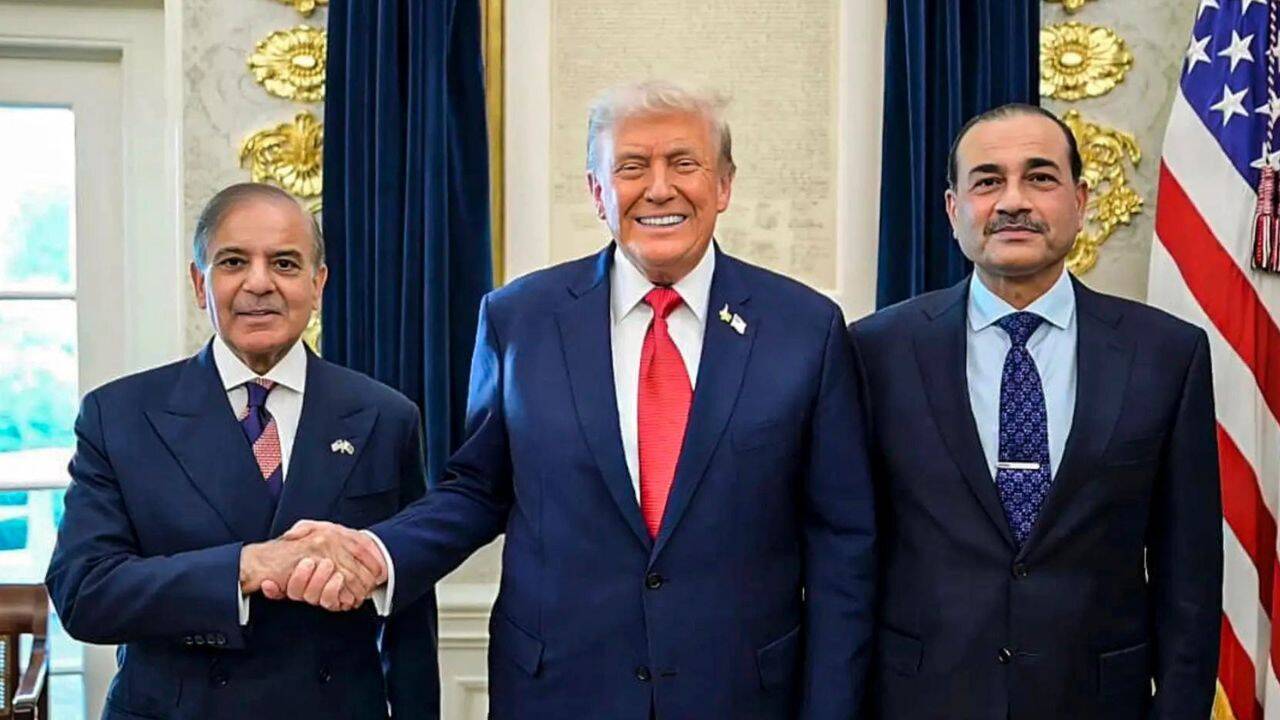
Pakistani officials have formally requested a massive $10 billion Exchange Stabilization Support Facility from the United States to shore up the nation's fragile foreign exchange reserves and stabilize the rupee. Presented by Finance Minister Muhammad Aurangzeb during high-level Washington talks with US Treasury Secretary Scott Bessent, the proposed five-year mechanism marks a major effort by Islamabad to transition from emergency bailouts to broader financial stability. For observers watching global markets and US foreign policy, the unusual request underscores how macroeconomic policy, Middle East diplomacy, and digital asset strategies are intersecting.
What Is Happening
During a three-day diplomatic visit to Washington, Pakistani Finance Minister Muhammad Aurangzeb pitched a multi-faceted economic package to US officials. At the core of the talks was a request made to US Treasury Secretary Scott Bessent for a $10 billion bilateral financing arrangement through the Treasury's Exchange Stabilization Fund. The requested facility would provide loans or backstop mechanisms designed to strengthen Pakistan's foreign exchange reserves, reduce currency volatility, and help the country manage heavy debt repayment obligations.
The Background
Pakistan has long navigated balance-of-payments challenges, having narrowly avoided a sovereign default in 2023 before securing a $7 billion International Monetary Fund (IMF) program. Since 2002, comparable exchange stabilization facilities from the US Treasury have been granted to only two nations—Argentina and Uruguay—making Islamabad's request exceptional in both size and historical precedent. The proposal comes alongside broader bilateral discussions regarding trade and tariffs, following the Trump administration's implementation of temporary global tariffs under Section 122 of the Trade Act set to expire after a 150-day window.

The Latest Development
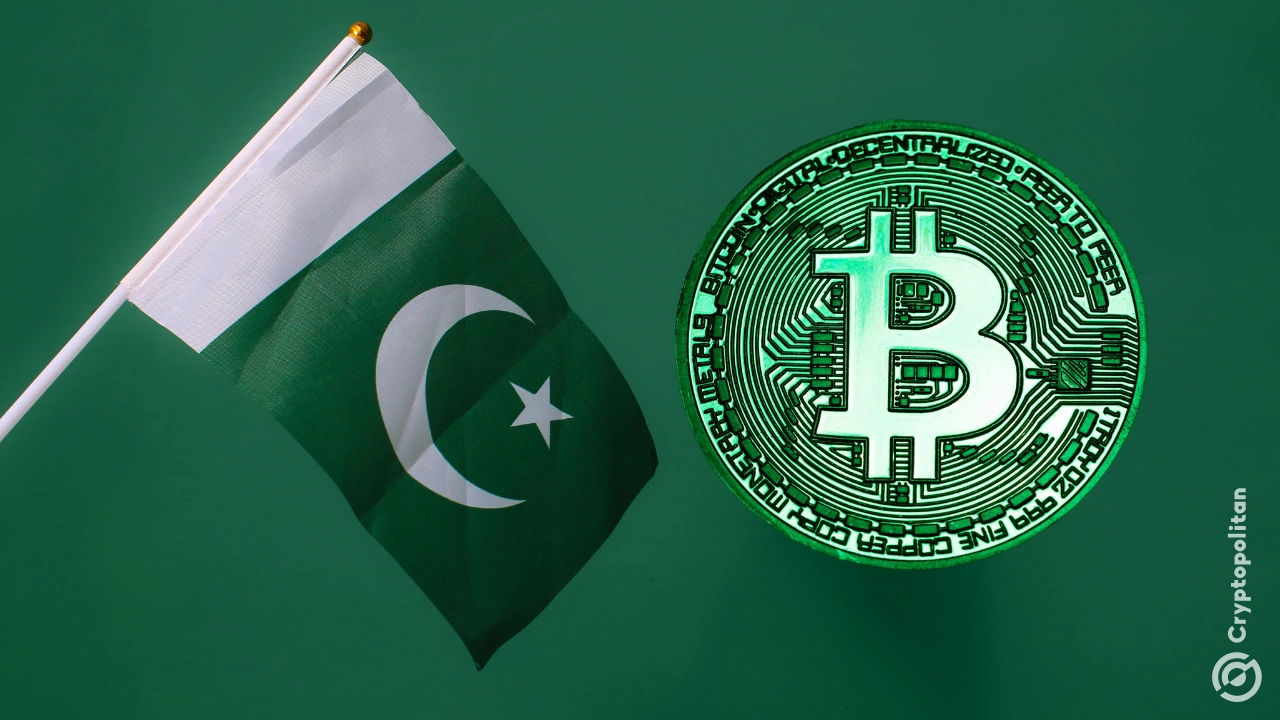
While the US Treasury Department confirmed that Secretary Bessent welcomed Pakistan's macroeconomic reforms and efforts to return to international capital markets, official statements did not confirm a decision on the $10 billion request. Beyond traditional financial channels, Pakistan's economic engagement in Washington extended to discussions with the US International Development Finance Corporation (DFC), Honeywell Technologies, and international banking consortia including MUFG Securities Asia and Mashreq Bank. Parallel reports also highlight Pakistan's growing digital strategy, including grassroots cryptocurrency adoption and explorations into dollar-backed stablecoins with World Liberty Financial to modernise payment systems.
What It Means
If approved, the arrangement would give Washington enhanced economic leverage in South Asia while providing Pakistan a crucial buffer against external debt pressures without relying solely on traditional multilateral loans. For capital markets, Pakistan's simultaneous move to launch a three-year sovereign bond and sukuk framework signals an effort to re-establish regular access to international investors and private capital.
What Remains Unclear
The US government has not publicly disclosed whether it will approve, modify, or reject the $10 billion facility. Furthermore, the specific terms, interest rates, reform conditions, and delivery timeline for any potential package remain confidential as negotiations between Washington and Islamabad continue.
Frequently Asked Questions
What did Pakistan request from US Treasury Secretary Scott Bessent?
Pakistan requested a $10 billion, five-year Exchange Stabilization Support Facility to boost its foreign exchange reserves and stabilize the Pakistani rupee.
Has the US Treasury approved the $10 billion request?
No decision has been announced by the US Treasury Department, which noted only that it welcomed Pakistan's ongoing macroeconomic reforms.
Why is this exchange stabilization facility unusual?
The US Treasury Department has extended similar exchange stabilization facilities to only two countries—Argentina and Uruguay—since 2002.
What other meetings took place during the Washington visit?
Finance Minister Muhammad Aurangzeb met with representatives from the DFC, US Exim Bank, Honeywell Technologies, and international investment banks to discuss energy modernisations and sovereign bond issuances.
How does cryptocurrency fit into Pakistan's economic plans?
Pakistan is exploring digital financial infrastructure, including potential dollar-backed stablecoin initiatives, to lower cross-border payment costs and attract remittance inflows.