
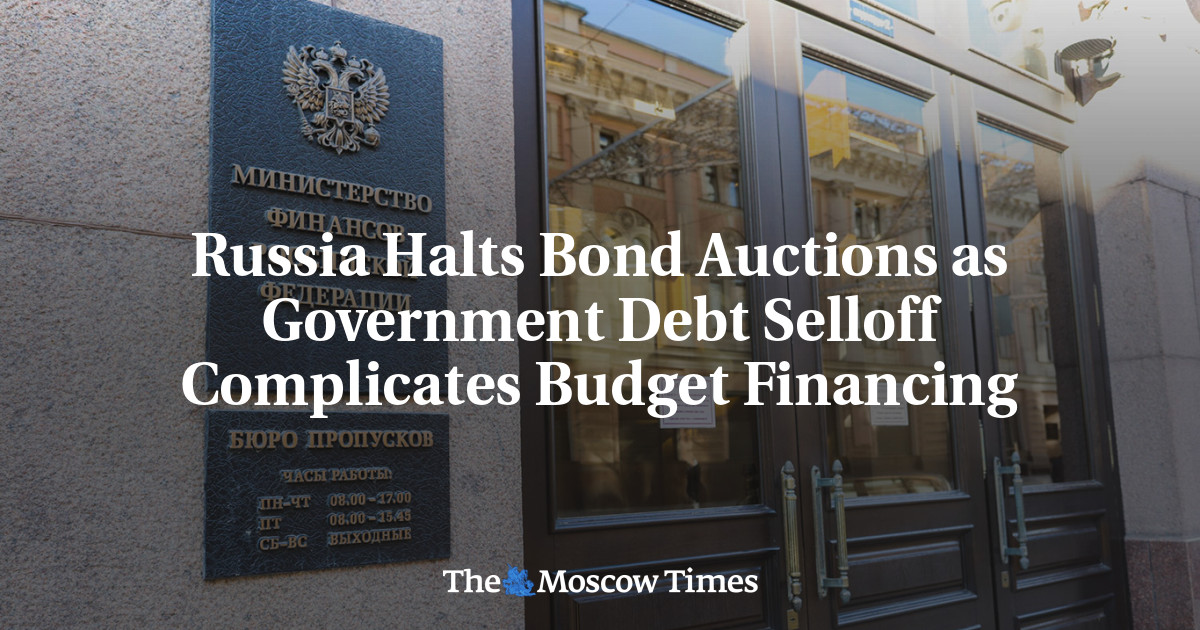
Russia's Finance Ministry has indefinitely suspended auctions of federal government bonds after investors refused to buy debt without steep interest rates. The decision comes as military spending continues to outpace original budget projections, swelling the federal deficit to 5.7 trillion rubles ($72.39 billion). With borrowing costs climbing above 16.5% on 10-year debt, Moscow faces a deepening deadlock in funding its wartime budget.
Why This Is Trending
Russia's decision to halt sales of ruble-denominated government bonds, known as OFZs, has drawn global financial attention because these debt instruments underpin the nation's banking system and fund its state budget. Following a string of canceled or failed debt offerings in June and July, the Finance Ministry chose to pause all regular weekly auctions to prevent yields from spiking further. The market breakdown highlights the mounting pressure on Russian domestic borrowing as military expenditures drain state reserves.
What Happened
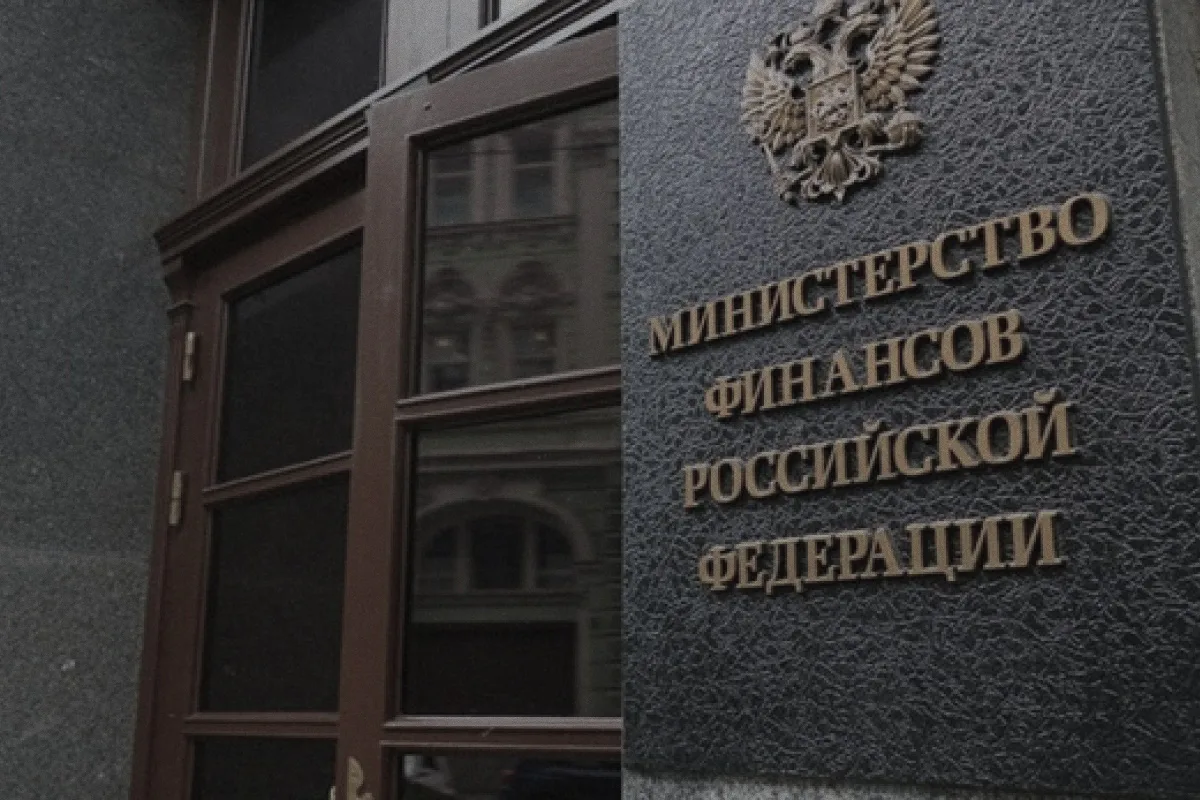
The Finance Ministry's attempted sales have repeatedly faltered over recent weeks. An auction scheduled for June 24 was canceled due to market volatility, while a July 1 sale generated just 10.3 billion rubles ($130.81 million) against a target of 110 billion rubles ($1.40 billion). Subsequent offerings on July 8 and July 15 failed entirely when investors demanded yields that ministry officials deemed unacceptably high.
The RGBI government bond index dropped from roughly 119 points to 110, marking its lowest level of the year. Although the government aimed to raise 1.5 trillion rubles ($19.05 billion) in net debt during the third quarter, data from Vector Capital shows it secured only 8.8 billion rubles ($111.76 million) before halting auctions.
Yields have jumped. In other words, the interest rate at which banks are willing to lend to the government has risen to around 16% for 10-year debt. That's a lot. It's a very high yield, a very high interest rate. The Finance Ministry is clearly reluctant to borrow at that rate.
What We Know So Far
Russia originally budgeted for an annual deficit of 3.8 trillion rubles, but military spending pushed the actual mid-year shortfall to 5.7 trillion rubles. Analysts estimate military costs will exceed original budget allocations by 4 to 5 trillion rubles ($50.80 billion to $63.50 billion) this year. To bridge this gap, Moscow plans to raise an additional 2 to 3 trillion rubles in debt, relying on commercial banks, pension funds, and state-backed institutions to absorb the paper.
The Bank of Russia holds its key interest rate at 14.25%, having previously paused rate cuts as inflation stood at 5.6%. This elevated rate structure makes long-term government debt expensive for the state to service. Bloomberg Economics noted that the government's difficulty is not its ability to issue debt, but its capacity to secure viable terms.
The issue is not Minfin's ability to issue debt, but its ability to issue on acceptable terms.
Why It Matters
For international observers and economic analysts in Canada, Russia's debt market halt offers clear insight into how sanctions and military expenses strain the Kremlin's public finances. With foreign capital largely blocked by Western sanctions, Moscow depends almost entirely on domestic banks to buy its debt. If private demand fails to return, the government may resort to administrative pressure on state-owned financial institutions to purchase bonds, diverting credit away from civilian commercial businesses and deepening domestic economic stagnation.
What Happens Next
Attention turns to the Bank of Russia's upcoming interest rate decision. Market analysts expect central bank officials to hold the key rate steady at 14.25%, though persistent inflation could force rate increases later in the year. If bond yields remain elevated, the Finance Ministry may rely on floating-rate notes or draw further from the National Wellbeing Fund to finance immediate budget deficits.
Frequently Asked Questions
What are Russian OFZ bonds?
OFZs are ruble-denominated bonds issued by Russia's Finance Ministry to borrow money domestically and cover national budget deficits.
Why did Russia stop selling government bonds?
Auctions were suspended because investors demanded interest rates above 16.5%, raising debt servicing costs higher than the government was willing to accept.
How big is Russia's budget deficit?
Russia's federal deficit reached 5.7 trillion rubles ($72.39 billion) by the end of June, driven largely by rising military spending.