
SK Hynix has completed a US$26.5-billion share sale, creating the largest U.S. listing ever by a foreign company. The South Korean memory-chip producer priced 177.9 million American depositary shares at US$149 each before its Nasdaq debut. Demand reportedly exceeded the shares available by more than seven times, even as semiconductor stocks faced renewed volatility.

What We Know So Far
The company sold 177.9 million American depositary shares, with each depositary share representing one-tenth of a Seoul-listed common share. That structure gives U.S. and Canadian investors a simpler way to trade exposure to the South Korean company through Nasdaq without directly purchasing shares on the Korea Exchange.
The offering surpassed Alibaba's roughly US$25-billion U.S. debut and ranked behind only SpaceX's June listing among the largest share sales cited by the provided reports. SK Hynix said proceeds would support new semiconductor production, including a fabrication hub in Yongin near Seoul and an advanced packaging facility in Cheongju.

Investor interest is tied closely to high-bandwidth memory, or HBM, a specialized form of memory used alongside graphics processors in artificial intelligence servers. SK Hynix supplies advanced memory products to Nvidia and is described in the reports as the world's largest HBM producer. Heavy spending by technology companies on AI infrastructure has made these chips scarce and pushed memory suppliers into the centre of the market's AI trade.
The enthusiasm comes with clear risks. SK Hynix's Seoul-listed stock had climbed about 229% in 2026 according to Al Jazeera, while The Globe and Mail reported the shares were roughly 630% higher than a year earlier despite falling about 25% from a recent record. Semiconductor positioning has become crowded, and investors are questioning whether enormous AI infrastructure budgets will eventually produce adequate returns.
What People Are Saying
Market commentary reflects both confidence in the company's earnings momentum and concern that valuations may already price in years of strong demand.
“This is the purest large-cap way for U.S. investors to own the AI-memory theme.”
Sette said the Nasdaq choice gives SK Hynix access to investors willing to assign higher valuations to U.S.-traded semiconductor companies. He also warned that later issuers may face a more selective market.
“I think what we are seeing is a mix of genuine confidence and speculative activity.”
That tension is visible across the sector. Investors see memory-chip makers as suppliers of essential infrastructure for AI, but concerns about oversupply and slower spending remain built into the industry's outlook.
How This Affects You
For Canadian investors, the Nasdaq listing makes SK Hynix easier to access through North American brokerage accounts. It also creates a new publicly traded option for investors seeking direct exposure to AI memory rather than buying a broader semiconductor fund or relying only on U.S.-listed rival Micron.
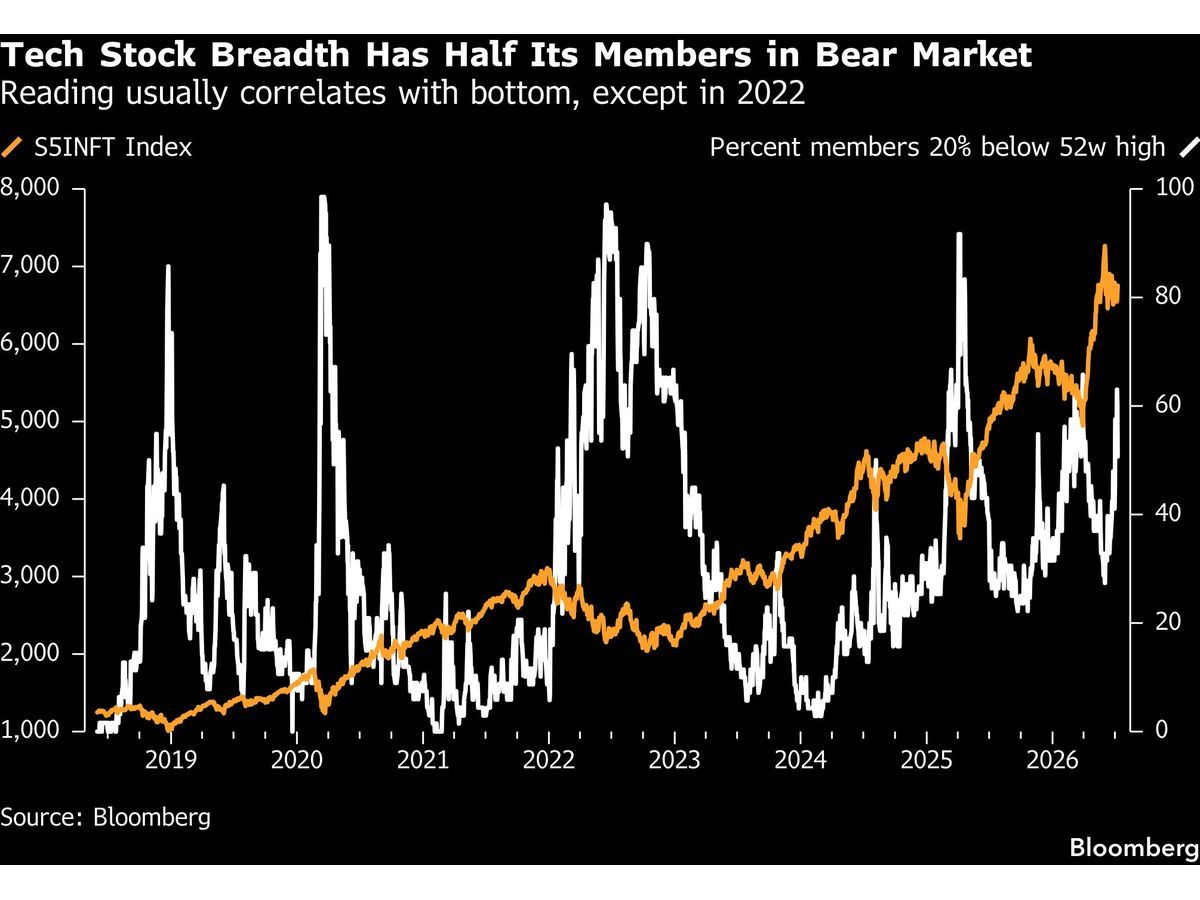
The pricing also provides a fresh valuation reference for the chip sector. The Globe and Mail reported that SK Hynix traded at about 5.8 times forward earnings before the debut, compared with roughly seven times for Micron. Greater access could narrow that gap, but the stock's rapid gains and recent pullback show how quickly sentiment can reverse.
Canadian investors should also distinguish between business growth and share-price momentum. SK Hynix reported first-quarter net income of 40.34 trillion won, according to Al Jazeera, yet the offering arrives during a period when many technology stocks are below their own highs. A strong debut would confirm demand for AI-linked assets; a sharp swing after trading begins would highlight the risks of entering a crowded trade.
Coming Up
Attention now shifts to the stock's early Nasdaq trading and whether the depositary shares hold above the US$149 offer price. Investors will also watch second-quarter earnings across the technology sector, guidance from large cloud companies and any signs that AI infrastructure spending is slowing.
SK Hynix plans to direct the capital toward manufacturing and packaging expansion. Those projects will matter because the company's investment case depends not only on current HBM demand, but also on its ability to increase output without creating an oversupply problem later.
At a Glance
- SK Hynix raised US$26.5 billion through its U.S. share sale.
- The company sold 177.9 million depositary shares at US$149 each.
- Ten depositary shares represent one ordinary SK Hynix share.
- The deal was reportedly more than seven times oversubscribed.
- Proceeds will help fund new chip fabrication and packaging facilities.
- The listing gives Canadian investors easier access to the AI-memory company.
Frequently Asked Questions
What is the SK Hynix Nasdaq ticker?
The provided reports identify the U.S.-listed shares under the ticker SKHY.
How much did SK Hynix raise?
SK Hynix raised US$26.5 billion by selling 177.9 million American depositary shares at US$149 each.
Why is SK Hynix attracting AI investors?
The company is a leading producer of high-bandwidth memory, which is used with graphics processors in artificial intelligence servers.
Can Canadians buy SK Hynix shares more easily now?
Yes. The Nasdaq listing gives investors using North American brokerage accounts direct access to the company's depositary shares.
What will SK Hynix do with the money?
The company plans to finance new semiconductor manufacturing capacity, including facilities in Yongin and Cheongju, South Korea.