
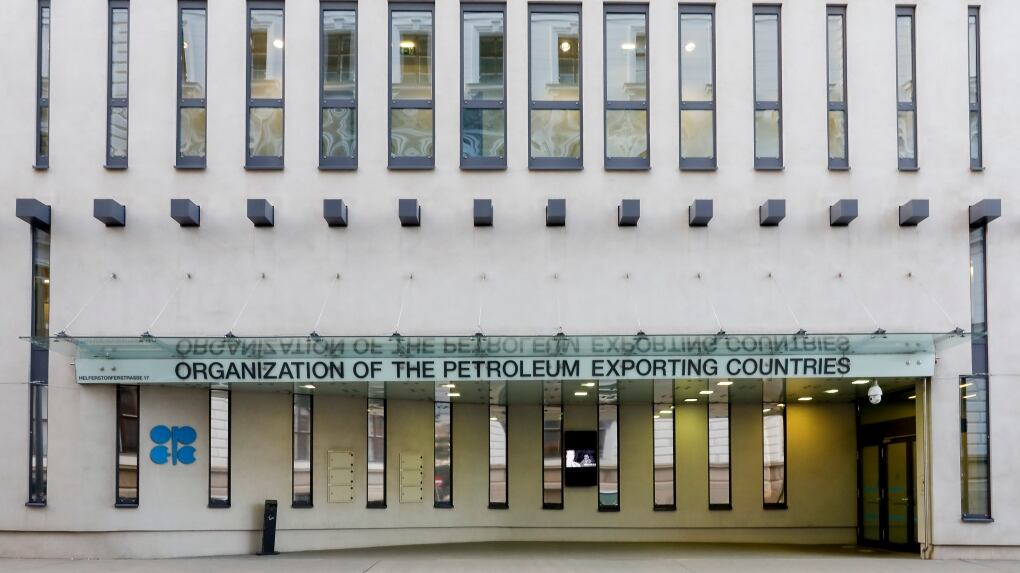
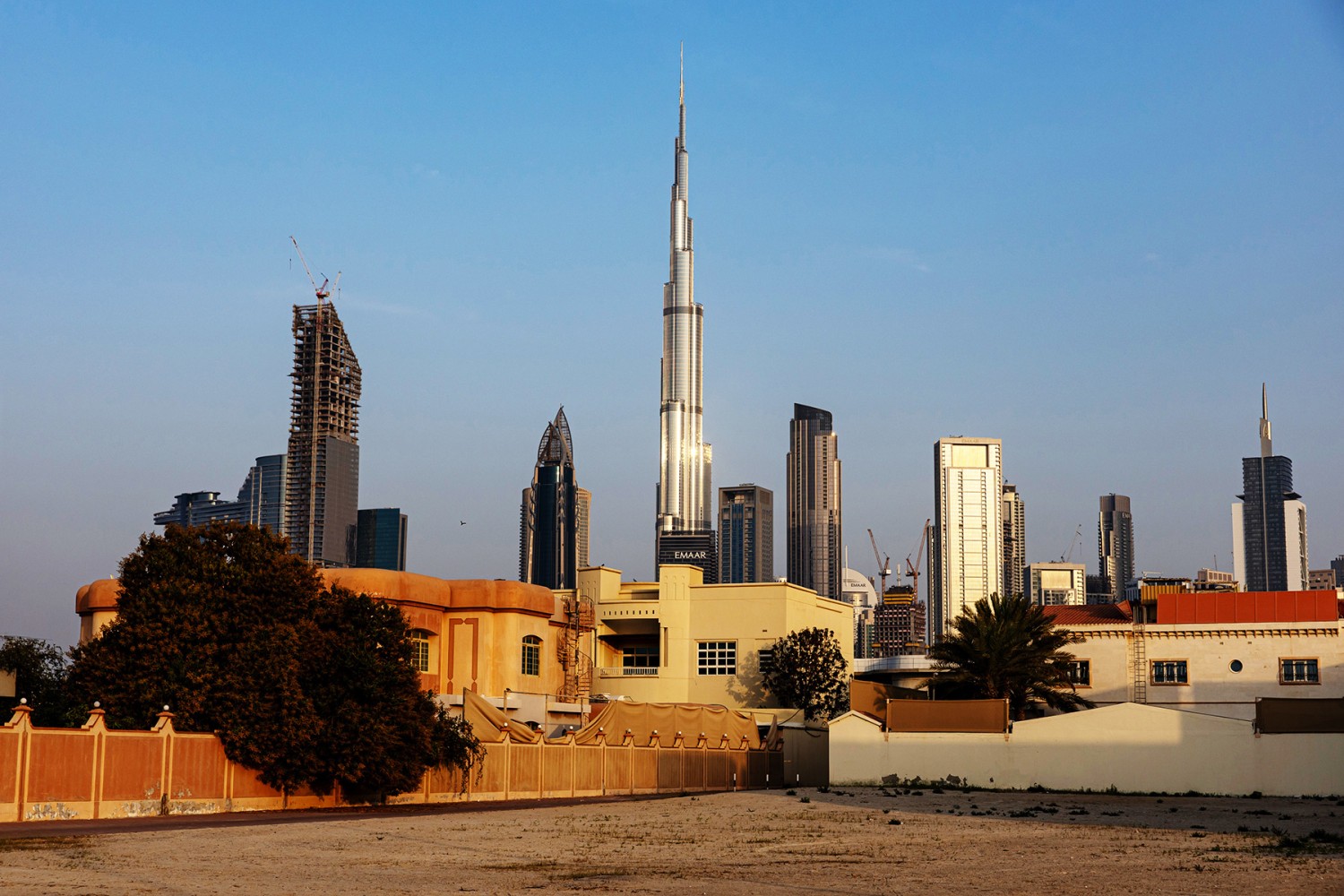
May 1. That’s the date the United Arab Emirates says it will walk away from OPEC, a move that could reshape how oil is produced and priced worldwide. The decision lands at a tense moment for energy markets already rattled by geopolitical friction. For Canadians watching gas prices, this isn’t just distant news — it could hit close to home.
The Bottom Line
- The UAE will officially exit OPEC on May 1.
- The move signals a shift toward greater control over its oil output.
- OPEC loses a key Gulf producer, raising questions about unity.
- Global oil prices could become more volatile in the short term.
- Canadian fuel costs may feel indirect ripple effects.
Breaking It Down
The announcement didn’t come out of nowhere. Over the past few years, the UAE has quietly expanded its oil production capacity, investing heavily in infrastructure to pump more crude. Staying within OPEC meant sticking to output quotas — limits that didn’t always align with its ambitions.
Then came rising tensions across the Middle East, particularly tied to ongoing conflicts influencing supply routes and pricing. That backdrop made flexibility more valuable than ever. The UAE’s leadership appears to be betting that going solo offers more room to respond quickly when markets swing.

Here’s the thing: OPEC isn’t just a club — it’s a coordinated system that manages oil output to influence prices. When a member leaves, that coordination weakens. The UAE joins a small list of countries that have stepped away over the years, often seeking more independence.
Meanwhile, other producers are watching closely. If the move proves profitable, it could encourage similar decisions. If not, it may reinforce why OPEC has held together for decades.
Why This Matters
For Canadians, the connection might not seem obvious at first glance. But oil is a global commodity. When supply decisions shift in one region, prices adjust everywhere. That includes what you pay at the pump in Toronto or Vancouver.
What’s interesting is how timing plays into this. Canada is both a major oil producer and consumer. A more fragmented global market could mean less predictable pricing. It’s a bit like taking the referee off the ice — things can get messy fast.
There’s also a broader economic angle. Energy costs influence everything from groceries to transportation. If prices spike or swing sharply, businesses pass those costs along. That’s why even a policy shift thousands of kilometres away can show up in your weekly budget.
What Comes Next
All eyes turn to May 1, when the UAE’s exit becomes official. Markets will be watching for immediate signals — will production rise? Will prices dip or climb? And how will OPEC respond to maintain influence?
In the longer run, the move could mark a turning point. Either it reshapes how oil alliances function, or it becomes a cautionary tale about going it alone in a tightly connected global system.
FAQ
Why is the UAE leaving OPEC?
The UAE wants more control over its oil production levels. OPEC membership requires following output quotas, which can limit how much a country produces and sells.
What is OPEC?
OPEC is a group of oil-exporting countries that coordinate production to influence global oil prices. It plays a major role in stabilizing supply and demand.
Will gas prices in Canada go up?
It’s possible. Changes in global oil supply can lead to price swings, which may eventually affect Canadian fuel costs.
Has any country left OPEC before?
Yes, several countries have exited in the past, often due to disagreements over production limits or economic priorities.
What happens after May 1?
The UAE will no longer follow OPEC quotas and can adjust its oil output independently. Markets will closely monitor how this affects supply and pricing.