
A staggering $1 billion sits at the heart of a growing legal battle over offshore wind power in the United States. The payment, tied to a deal that halted a major offshore wind project, has triggered lawsuits from multiple states and reignited a national debate about energy policy, jobs, and the future of renewable power. For Canadians watching energy markets closely, the outcome could ripple far beyond American waters.

The Bottom Line
- Several U.S. states have sued over the cancellation of a major offshore wind project.
- The disputed agreement reportedly involved roughly $1 billion paid to halt development.
- State leaders argue the move threatens jobs, energy supply, and climate goals.
- The legal challenge focuses on offshore lease cancellations and federal authority.
- The case could influence renewable energy investment across North America.
Breaking It Down
The dispute centres on a large offshore wind project planned off New York's coast. Federal officials moved to terminate the project through an agreement that compensated the developer rather than allowing construction to proceed. That decision quickly drew criticism from state governments that had counted on the project as part of their long-term energy plans.
Before the cancellation, offshore wind had been positioned as a key piece of the northeastern U.S. electricity strategy. States invested years in planning transmission connections, workforce training programs, and supply-chain development. When the project was halted, officials argued those preparations were suddenly thrown into uncertainty.
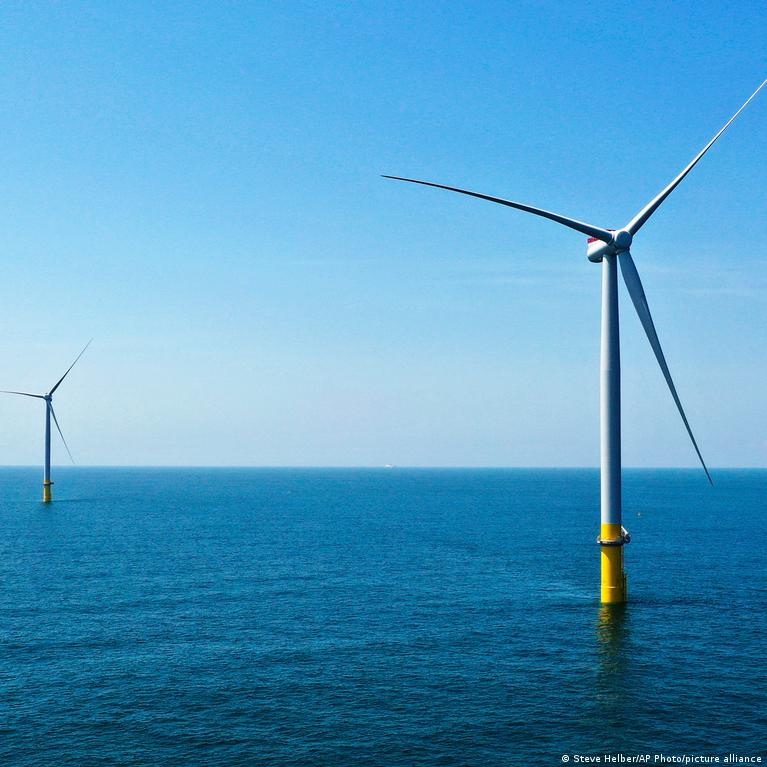
Meanwhile, a coalition of states moved to challenge the decision in court. Their argument is straightforward: cancelling approved offshore developments undermines state energy strategies and disrupts investments already made by businesses and communities. Several attorneys general contend that federal agencies exceeded their authority when they intervened.
What's interesting is that the legal fight comes at a time when wind energy remains one of the fastest-growing sources of new electricity generation globally. While political leadership changes, energy infrastructure projects often span decades, creating tension between long-term planning and short-term policy shifts.
Why This Matters
For Canada, this story is about more than American politics. Offshore wind development has become an increasingly important topic in Atlantic Canada, particularly in Nova Scotia and Newfoundland and Labrador. Investors, utilities, and policymakers are paying close attention to regulatory stability south of the border.
If you're following energy markets, you might be wondering why legal certainty matters so much. Large renewable projects require billions in capital and years of planning. Companies typically commit funds only when they believe permits and agreements will remain reliable. Sudden policy reversals can make future investors think twice.
There is also a broader economic angle. Supporters argue offshore wind creates manufacturing jobs, construction work, and long-term maintenance positions. Critics question costs and reliability. The court battle may help define how future projects are evaluated across North America.

What Comes Next
The lawsuits will now move through the court system, where judges will examine whether federal agencies acted within their legal authority. State governments are expected to continue pressing for project reinstatement or other remedies.
Any ruling could have consequences well beyond a single wind farm. Developers, utilities, environmental groups, and energy consumers will all be watching closely as the case unfolds. As the saying goes, the stakes are higher than the tide when billion-dollar infrastructure projects are involved.
FAQ
Why are states suing over offshore wind?
They argue that cancelling approved projects harms state energy plans, jobs, and investments.
How much money is involved in the dispute?
Reports indicate approximately $1 billion was paid as part of the agreement to halt development.
Which energy source is at the centre of the case?
Offshore wind power generated by turbines located in coastal waters.
Could the case affect renewable energy investment?
Yes. Investors often look for stable regulatory environments before funding major projects.
Why does this matter to Canadians?
Canada is exploring offshore wind opportunities, and regulatory certainty influences investment decisions.
What happens next?
Courts will review the lawsuits and determine whether the federal actions were legally justified.