
Last updated: July 15, 2026, 12:40 p.m. ET
148 Ontario Wildfires Push Toronto’s Air Quality to World’s Worst
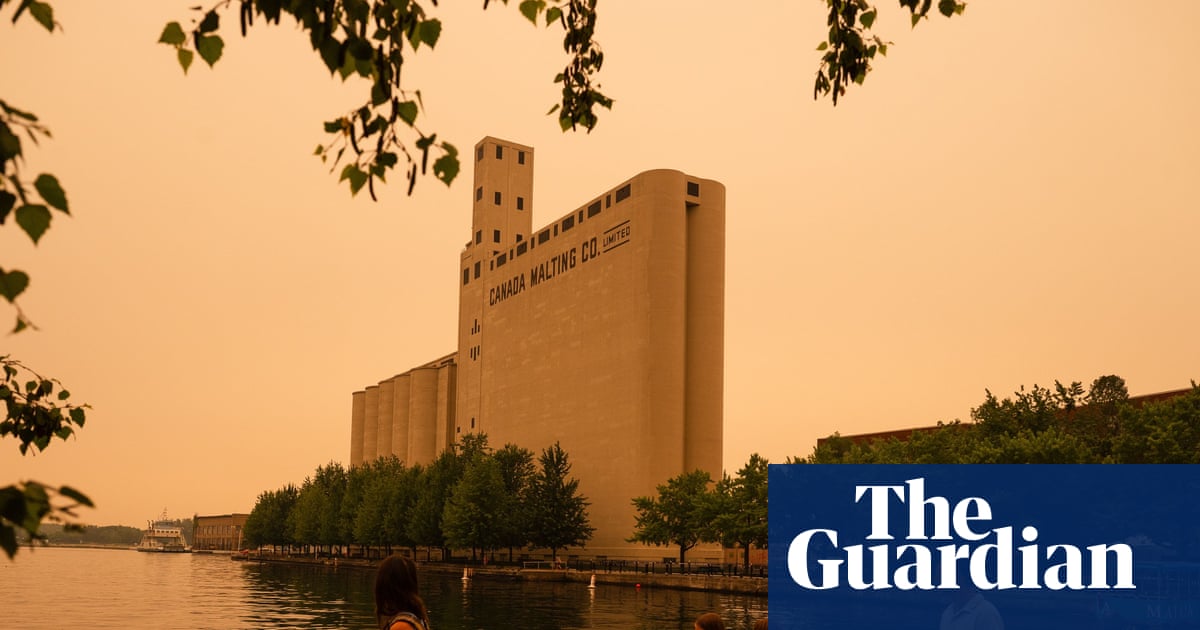
Smoke from wildfires in northwestern Ontario blanketed Toronto and much of southern Ontario on Wednesday, July 15, turning skies yellow-orange and briefly giving Canada’s largest city the worst air quality ranking among major cities worldwide. The smoke arrived during an intense heat wave, while northern communities faced evacuation orders and fast-moving flames.
Environment Canada issued orange-level air quality warnings across a broad area and advised residents to reduce outdoor activity, keep cool and watch for symptoms such as coughing, headaches, throat irritation, wheezing or chest pain.
The Full Story
Ontario forest fire officials reported 148 active wildland fires in the province’s northwest region as of Tuesday evening. Of those, 69 were not under control. Dry conditions and extreme temperatures fuelled rapid fire growth, with Tuesday temperatures reaching 38 C in Sioux Lookout and 40.8 C in Armstrong.
Evacuation orders affected Armstrong and several First Nations, including Lac La Croix, Collins, Whitesand, Gull Bay and Lac des Mille Lacs. Residents of Namaygoosisagagun First Nation described receiving only minutes of warning before escaping across Collins Lake. Provincial representative Lise Vaugeois said Collins had burned to the ground, while confirming that everyone had escaped safely.

A video recorded near Armstrong showed flames surrounding a Canadian National Railway train. CN said employees were safely evacuated, residents of Armstrong were moved out Monday night and railway operations near the community were temporarily suspended as a precaution.
Farther south, smoke travelled more than 1,000 kilometres and spread across Toronto, Ottawa, Windsor, Hamilton, Waterloo region and Guelph. IQAir ranked Toronto’s air quality as the world’s worst around noon Wednesday, ahead of Kinshasa, Delhi, Dubai and Jerusalem. Environment Canada said smoke could persist into Friday in some areas.
The Main Players
Environment Canada is issuing health guidance and forecasting how winds may move the smoke. Meteorologist Jean-Philippe Bégin said northwesterly winds would continue carrying particles into southern Ontario until a likely wind shift on Friday. He cautioned that changing winds would move the smoke rather than solve the underlying fire problem.
Ontario emergency and forest fire officials are managing evacuations and wildfire response in the northwest. Canadian National is responding to threats along its rail corridor, while local public-health agencies are directing residents toward libraries, community centres and other cooling or clean-air spaces.
Sol Mamakwa, an Ontario New Democratic Party member, described the destruction of a First Nation community as devastating and urged residents in threatened areas to follow emergency instructions and remain ready to evacuate.
Key Statistics
- 148 active wildland fires were reported in northwestern Ontario.
- 69 of those fires were not under control.
- Canada had roughly 835 active fires on Wednesday, including 112 out of control.
- About 4.7 million acres had burned across Canada during the 2026 season.
- Toronto reached between 37.3 C and 37.6 C downtown, breaking a record dating to 1995.
- Southern Ontario humidex readings reached as high as 45 during the heat wave.
What This Means
The combination of smoke and extreme heat leaves residents with competing health risks. Environment Canada advises people to prioritize staying cool while also reducing exposure to outdoor air. Closing windows can limit smoke indoors, but homes without effective cooling may become dangerously hot.

People aged 65 and older, pregnant people, infants, children, outdoor workers and anyone with a chronic medical condition face greater risk. Environment Canada recommends keeping doors and windows closed where practical, limiting time outdoors and wearing a respirator-type mask when outdoor exposure cannot be avoided.
The disruption is also reaching public events. Toronto’s FIFA Fan Festival cancelled its Wednesday watch party, while an event in Cambridge added an indoor viewing option. The changes show how wildfire smoke can affect daily life hundreds of kilometres from the flames.
What to Expect
Smoke is expected to remain over parts of southern Ontario through Thursday, with improvement possible by Friday morning as winds change. A low-pressure system could also bring 5 to 20 millimetres of rain and cooler temperatures to some regions Friday and Saturday, potentially helping firefighters and clearing particles from the air.
Conditions may fluctuate while the fires continue producing heavy smoke. Residents should follow Environment Canada warnings and local evacuation notices, especially in northern communities where roads, rail operations and travel routes may be affected.
Frequently Asked Questions
Why is Toronto’s air quality so bad today?
Northwesterly winds carried smoke more than 1,000 kilometres from active wildfires in northwestern Ontario into Toronto and southern Ontario.
Where are the Ontario wildfires burning?
The largest outbreak is in northwestern Ontario, with evacuations affecting Armstrong and several First Nations communities, including Collins and Whitesand.
How long will wildfire smoke remain over southern Ontario?
Environment Canada expects smoke through much of Thursday, with conditions potentially improving Friday as winds shift and rain moves into some areas.
What symptoms can wildfire smoke cause?
Common symptoms include irritated eyes, nose or throat, headaches and a mild cough. Wheezing, chest pain or a severe cough require urgent medical attention.
How can people protect themselves from the smoke?
Limit strenuous outdoor activity, keep windows and doors closed when safe, use clean-air spaces and wear a respirator-type mask when outdoor exposure is unavoidable.