
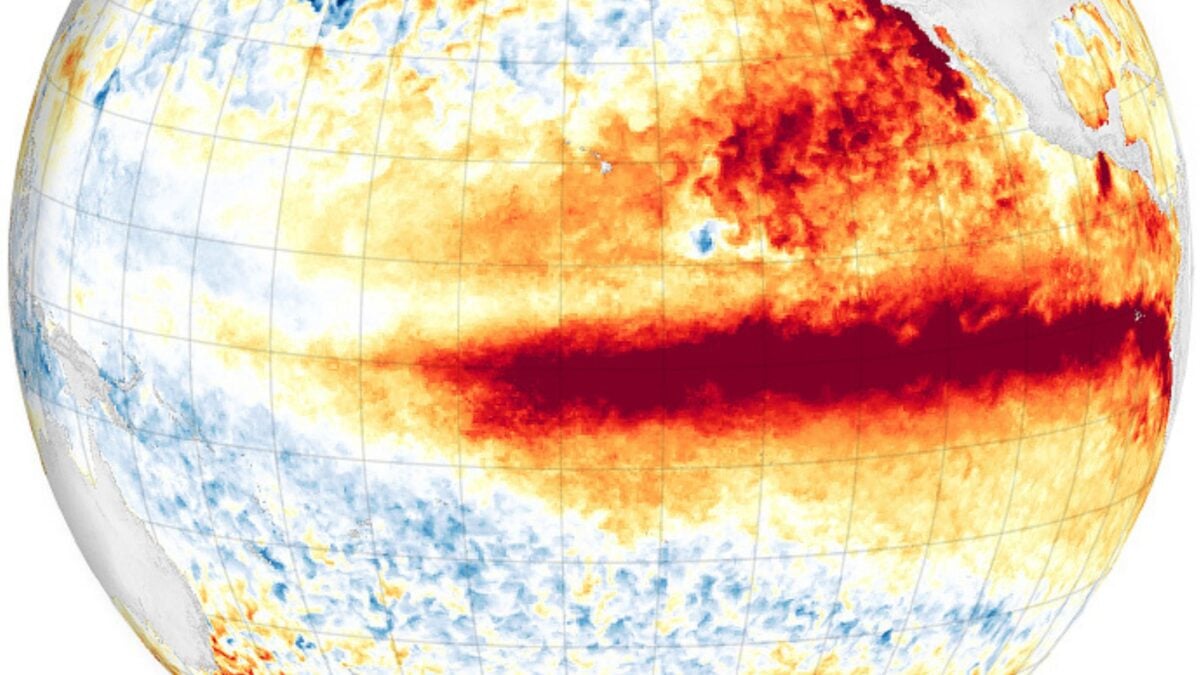
The Pacific Ocean is heating up again, and scientists are watching a massive stretch of unusually warm water creep eastward across the equator. On weather maps, it looks almost calm. In reality, it could reshape wildfire seasons, winter temperatures and even food prices over the next several months.
Researchers across North America are now warning that a potential “super El Niño” may develop later this year, a climate pattern tied to extreme heat, shifting rainfall and disruptive weather worldwide. For Canadians, that could mean hotter summers, smoky skies and another round of expensive climate surprises.

How Events Unfolded
Forecasters began sounding alarms after ocean temperatures in the tropical Pacific climbed rapidly this spring. Climate agencies tracking the El Niño–Southern Oscillation, often shortened to ENSO, noticed water temperatures crossing thresholds associated with stronger El Niño years.
That matters because El Niño does not stay in the Pacific. It shifts jet streams, changes storm tracks and can amplify extremes thousands of kilometres away. In Canada, warmer winters in parts of the country often follow strong El Niño years, while western provinces can experience drier conditions that worsen wildfire risks.
Meanwhile, meteorologists are also watching hurricane and typhoon forecasts. Some regions of the Western Pacific could see more tropical activity, while parts of the Atlantic may experience different storm patterns depending on how the atmosphere reacts over the summer.
If you lived through the record-breaking 2015-16 El Niño, you probably remember the chaos: coral bleaching, global heat records and costly weather disasters. Scientists say today’s climate is even warmer than it was a decade ago, which could intensify the effects.
The Fine Print
Here’s the thing: El Niño itself is natural. The concern now is how it collides with long-term climate warming. Oceans have absorbed enormous amounts of heat over the past several years, and that extra energy does not just disappear.

Some forecasts suggest this event could evolve into a “super El Niño,” a term generally used when Pacific temperatures rise far above average. That does not guarantee catastrophe. But historically, stronger El Niño events have coincided with higher global temperatures, crop stress and costly disasters.
For Canadians, the ripple effects go beyond weather forecasts. Hotter summers can strain hydro systems and drive up cooling costs. Smoke from wildfire seasons can spread across provinces for weeks. Agricultural regions may face uneven rainfall, which affects crop yields and grocery prices later on.
And that’s where the rubber hits the road. Climate patterns that once felt distant now show up in daily life — from insurance premiums to summer travel plans.
International aid groups are already preparing for disruptions in Latin America and the Caribbean, where El Niño can trigger droughts, flooding and food insecurity. Officials in the U.S. Midwest are also monitoring how shifting rainfall could affect corn production and river systems tied to agriculture.
The Response
Climate scientists and emergency planners are urging governments to prepare early rather than react later. Some provinces have already expanded wildfire readiness programs after back-to-back severe fire seasons.
We’re entering a period where the atmosphere has more fuel to work with.
Public health officials are also paying closer attention to heat-related illnesses and air-quality risks. During recent wildfire seasons, cities from Vancouver to Toronto experienced dangerous smoke levels that kept people indoors for days.
Meanwhile, energy markets and insurers are watching closely. Extreme weather events have already pushed Canadian insurance payouts into the billions in recent years. Another disruptive summer could deepen pressure on both households and businesses.
The combination of climate change and El Niño increases the odds of temperature records falling again.
Putting It in Perspective
The timing is hard to ignore. Global temperatures have repeatedly shattered records over the last two years, and oceans are sitting near historic highs. A strong El Niño arriving on top of that warmth could push weather systems into unfamiliar territory.
For Canadians, that may translate into practical decisions sooner than expected. Municipalities could face higher cooling demands. Farmers may adjust planting strategies. Airlines and tourism operators are already preparing for another season shaped by smoke and heat advisories.
You might be wondering whether this guarantees a disastrous year. Not necessarily. Weather still depends on regional conditions and timing. But the odds of extremes are climbing, and forecasters say communities ignoring those signals are taking a gamble.
Weather whiplash has become the new normal. One week can bring floods. The next? Dangerous heat and smoke.
Looking Ahead
Climate agencies are expected to release updated ENSO forecasts throughout the summer as Pacific Ocean temperatures continue to evolve. Scientists say the next two to three months will be critical in determining whether this becomes a full-scale super El Niño event.
Governments and emergency agencies across Canada are also expected to update wildfire readiness plans and heat-response strategies before peak summer conditions arrive. For now, forecasters agree on one point: the Pacific is sending a clear warning signal, and the world is paying attention.
Frequently Asked Questions
What is El Niño and why does it matter?
El Niño is a climate pattern caused by warmer-than-average Pacific Ocean temperatures near the equator. It changes global weather patterns and can influence heatwaves, storms, droughts and wildfire conditions.
How could El Niño affect Canada?
Canada may experience hotter summers, warmer winters in some regions and increased wildfire risks. Smoke events and pressure on energy systems are also possible during strong El Niño periods.
What makes a “super El Niño” different?
A super El Niño refers to an unusually intense event with much warmer Pacific Ocean temperatures than normal. These stronger events are more likely to amplify global weather extremes.
Could El Niño make climate change worse?
El Niño itself does not cause climate change, but it can temporarily boost global temperatures. Combined with existing warming trends, it may increase the severity of heat and extreme weather.
When will scientists know how strong this El Niño becomes?
Researchers say the next few months are crucial. Ocean temperatures and atmospheric changes during summer will help determine whether the event intensifies into a super El Niño.