
The sky turned white in seconds. Ice chunks the size of baseballs hammered rooftops, windshields, and—inside one zoo—living creatures that had nowhere to hide. By the time the storm passed, the damage wasn’t just cosmetic; it was deeply personal for a community already reeling.
A violent hailstorm swept through Missouri, killing one animal and injuring another at a local zoo, while triggering nearly 30 car accidents across Greene County. Officials say the storm’s intensity caught many off guard, leaving behind smashed vehicles, shattered glass, and stunned residents.

How Events Unfolded
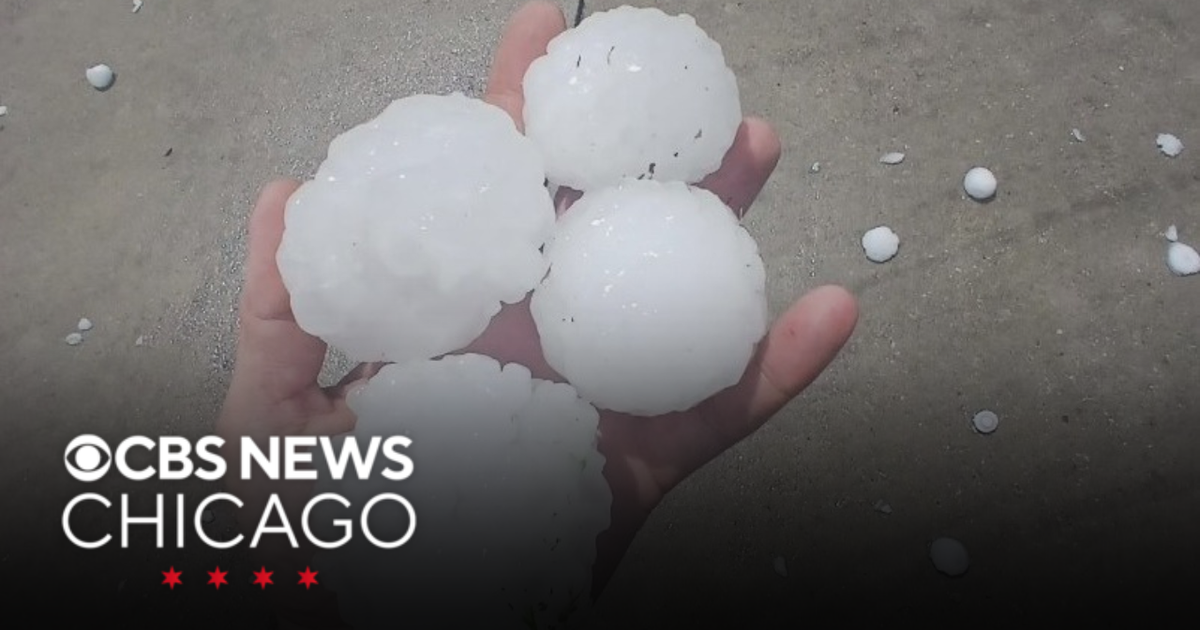
It started like any spring storm warning. Dark clouds rolled in over Springfield, Missouri. Then came the first strike—hailstones, unusually large, began falling with force. Within minutes, they grew to over 10 cm in diameter, roughly the size of baseballs.
Drivers scrambled for cover. Some didn’t make it. Authorities later confirmed nearly 30 separate crashes as visibility dropped and roads turned slick with ice. Windshields shattered. Traffic slowed to a crawl, then stopped entirely.
Meanwhile, at Dickerson Park Zoo, the situation took a tragic turn. One animal was killed, and another was injured as the hailstorm battered enclosures. Zoo staff rushed to secure animals, but the speed and force of the storm left little time to react.
Videos circulating online show hail pounding homes, vehicles, and outdoor spaces with relentless intensity—less like weather, more like an ambush.
Digging Deeper
So why was this storm so destructive? It comes down to atmospheric instability. Warm, moist air near the ground collided with colder air aloft—classic conditions for severe thunderstorms. Add strong updrafts, and you get hailstones that grow layer by layer before crashing down.
This wasn’t an isolated event either. Reports indicate hail as large as 11.4 cm in nearby regions, suggesting a broader system capable of producing extreme weather across multiple states.
Here’s the thing—storms like this are becoming less predictable. Climate shifts are amplifying intensity, even if frequency varies. For communities, that means less time to prepare and more severe consequences when storms hit.
What People Are Saying
“We’ve never seen hail this size hit this fast. It was overwhelming.”
“Our team acted immediately, but the storm moved too quickly. It’s a heartbreaking loss.”
Emergency crews spent hours responding to accidents, clearing debris, and assessing damage. For many residents, the shock hasn’t worn off yet.
Putting It in Perspective
For Canadians watching this unfold, it’s a reminder of how quickly severe weather can escalate—even in places used to storms. Prairie provinces, in particular, see similar hail risks during summer months.
The financial toll is also significant. Vehicle repairs from hail damage can easily run into thousands of dollars. Multiply that across dozens—or hundreds—of cars, and the cost balloons fast.
And then there’s the human impact. Losing an animal in a controlled environment like a zoo hits differently. It raises questions about preparedness, infrastructure resilience, and how institutions adapt to increasingly volatile weather.

Looking Ahead
Weather officials are continuing to monitor storm patterns across the region. Cleanup efforts are underway, and assessments of damage—both structural and ecological—are still ongoing.
For communities, the focus now shifts to recovery. For meteorologists, it’s about understanding what made this storm so intense—and whether it’s a sign of what’s coming next.
FAQ
What caused the hailstorm in Missouri?
A mix of warm surface air and cold upper-level air created strong updrafts, allowing hailstones to grow unusually large.
How big were the hailstones?
Some reached over 10 cm in diameter, comparable to baseballs.
How many accidents were reported?
Authorities confirmed nearly 30 car accidents in Greene County during the storm.
What happened at the zoo?
One animal was killed and another injured due to the intensity of the hailstorm impacting enclosures.
Could this happen in Canada?
Yes, especially in regions like Alberta and Saskatchewan where severe hailstorms are not uncommon.