
A single EF-4 tornado changed an entire Kentucky community in a matter of minutes. One year later, families in London are still rebuilding homes, grieving loved ones, and trying to make sense of a night that killed dozens and tore through neighborhoods with terrifying force. For many Canadians watching from afar, the anniversary has become another reminder of how violent weather events are becoming harder to ignore — even outside traditional tornado zones.
The stories resurfacing this week are deeply personal. Survivors remember hiding in bathrooms, churches reopening after destruction, and first responders still carrying emotional scars. When the storm hits, everything changes in a heartbeat.
The Bottom Line
- The EF-4 tornado devastated parts of London and Laurel County, Kentucky, in 2025.
- Residents marked the one-year anniversary with memorial events honoring victims and survivors.
- Churches, local businesses, and utility crews are still rebuilding damaged infrastructure.
- Survivors continue speaking publicly about trauma, recovery, and community support.
- Emergency planners across North America are studying storms like this as tornado risks shift geographically.
Breaking It Down
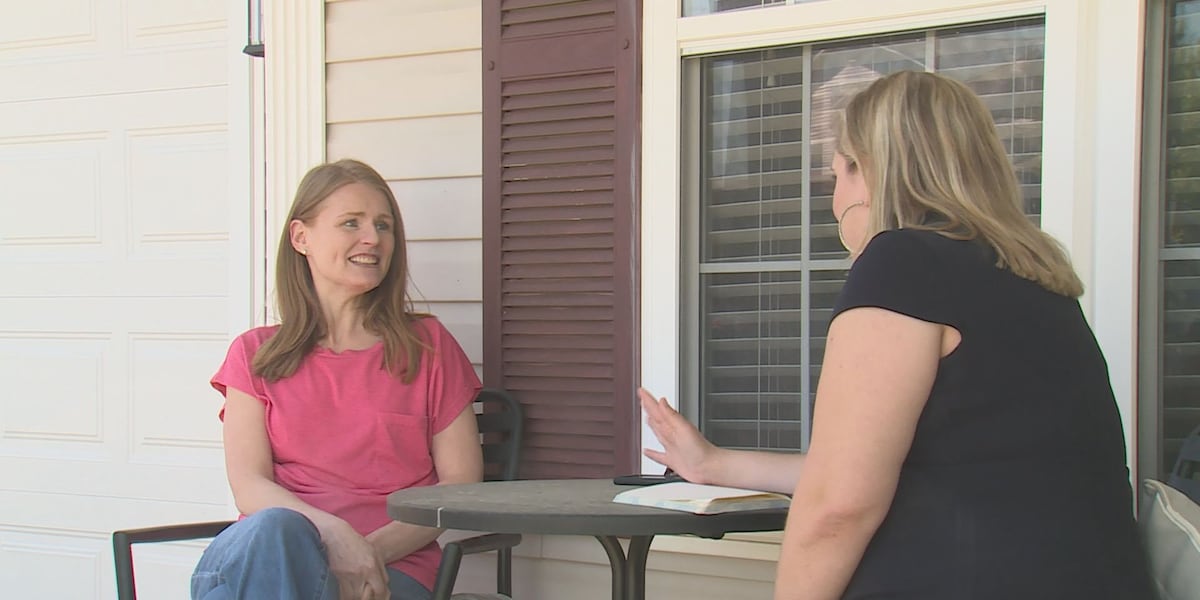
The tornado tore through southern Kentucky with winds strong enough to flatten homes, snap power poles, and leave entire streets unrecognizable. Survivors interviewed this week described moments of pure panic as walls collapsed around them. One woman recalled believing she would not survive the storm after hearing what sounded like a freight train bearing down on her house.
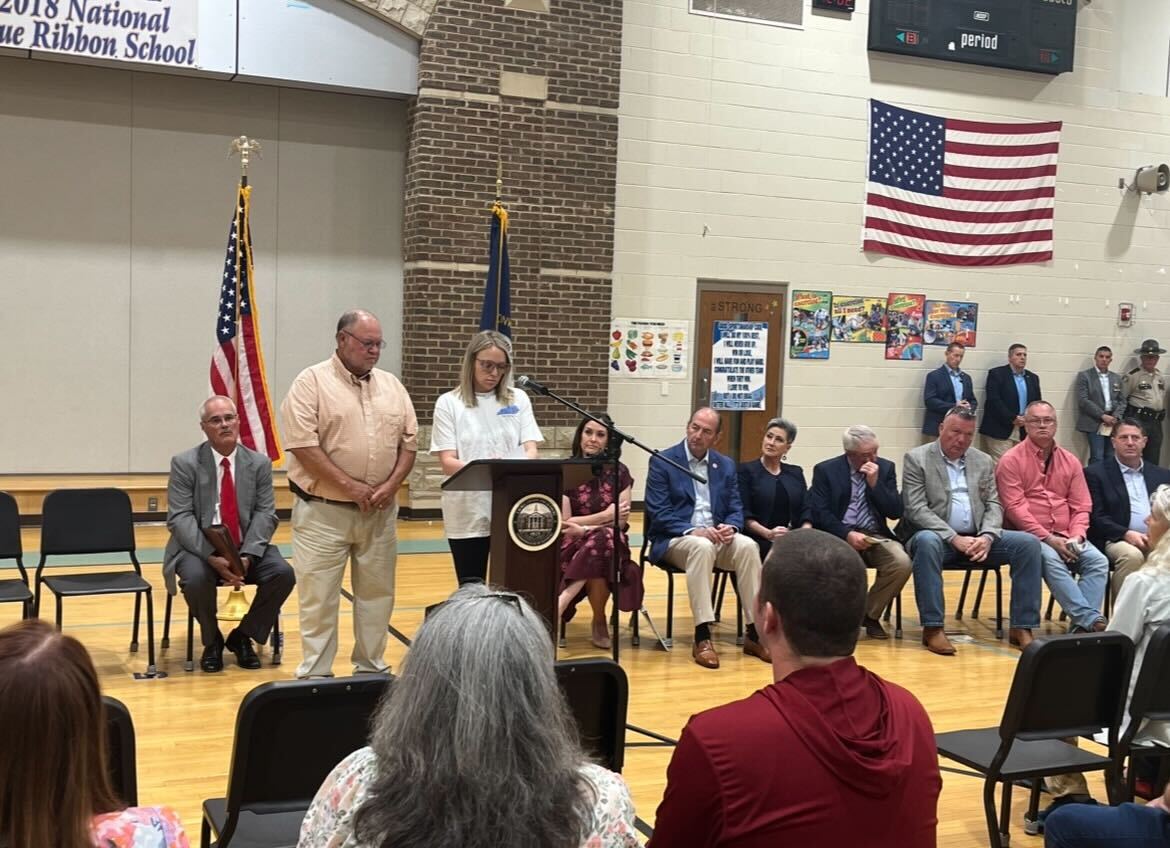
Community memorials this week brought together first responders, families, church leaders, and residents who spent the past year rebuilding piece by piece. Several ceremonies honoured people killed during the tornado, including local emergency figures remembered for helping others during the disaster.
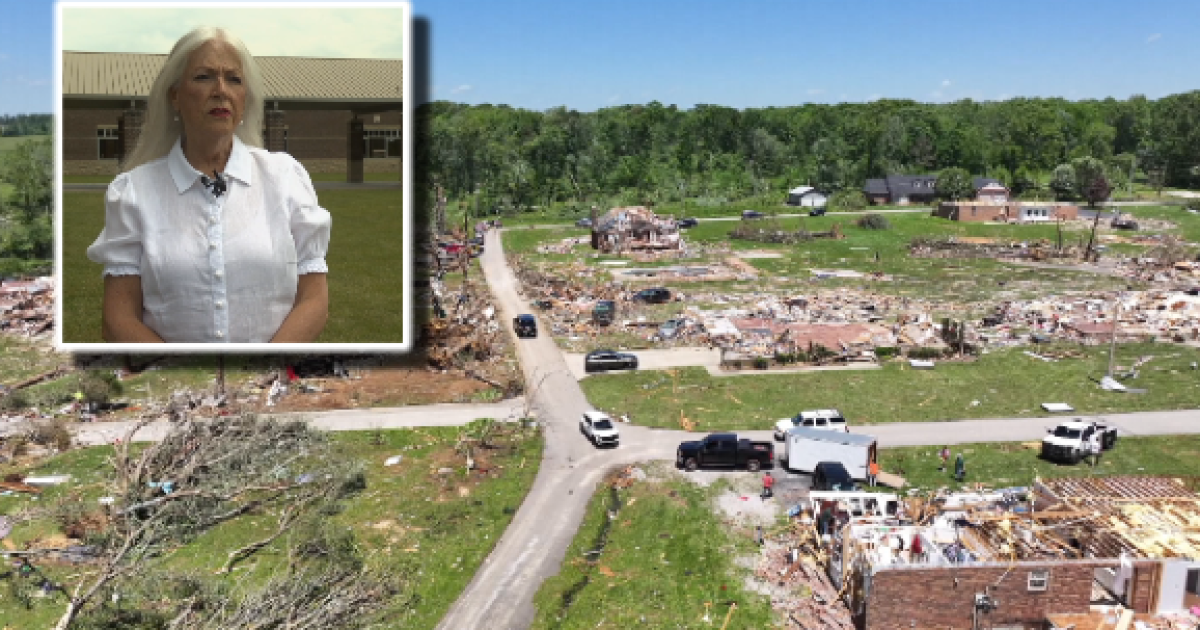
What's striking is how much of the recovery has depended on neighbours helping neighbours. Churches reopened with volunteer labour. Electric co-ops rebuilt damaged systems while residents donated supplies, temporary housing, and food. That old small-town grit? It showed up in full force.
Meanwhile, journalists and emergency crews who covered the tornado say the emotional impact still lingers. Some responders described scenes they will never forget. Others spoke about how communities often move on publicly long before residents truly recover privately.
- EF-4 Tornado
- A tornado classification with wind speeds between 166 and 200 mph, capable of catastrophic damage.
- Laurel County
- A county in southern Kentucky that includes the city of London, heavily affected by the storm.
- Day of Remembrance
- A memorial gathering held to honour victims and recognize survivors and first responders.
For readers in Canada, especially in provinces like Ontario and Alberta where tornado warnings have become more common in recent years, the Kentucky anniversary hits close to home. Climate scientists have increasingly pointed to shifting storm patterns and warmer atmospheric conditions contributing to stronger severe weather events.
Why This Matters
Tornadoes are no longer viewed as a problem limited to a narrow stretch of the American Midwest. Canadian communities have seen a rise in destructive wind events over the last decade, and emergency planners are paying closer attention to preparedness, early-warning systems, and infrastructure resilience.
The Kentucky stories also highlight the long tail of disaster recovery. Insurance claims may close. Headlines fade. But trauma often stays. Families displaced for months continue dealing with rebuilding costs, mental health strain, and financial uncertainty long after television cameras disappear.
We thought we were going to die that night.
And here's another layer to this story: rebuilding is expensive. Local churches and utilities in Kentucky say the recovery process exposed just how vulnerable rural communities can be when major disasters strike suddenly.
What Comes Next
Recovery projects across Laurel County are still ongoing, with infrastructure repairs and rebuilding efforts expected to continue through the year. Community leaders are also pushing for stronger emergency planning and public awareness ahead of another severe weather season.
You might be wondering whether stories like this will shape broader policy discussions. In both Canada and the U.S., extreme weather preparedness is becoming a larger political and economic conversation — especially as insurers, municipalities, and residents face rising disaster costs.
FAQ
What happened in London, Kentucky?
An EF-4 tornado struck parts of London and Laurel County in 2025, causing major destruction and multiple deaths.
How strong was the tornado?
The tornado was classified as EF-4, meaning winds likely reached between 166 and 200 mph.
Why is the tornado back in the news?
Communities are marking the one-year anniversary with memorials, survivor interviews, and recovery updates.
Are tornadoes becoming more common in Canada?
Canada has seen increased concern about severe weather events, particularly in Ontario and parts of the Prairies.
How long does tornado recovery usually take?
Recovery can last years depending on infrastructure damage, housing loss, insurance claims, and emotional trauma.
What lessons are communities taking from this storm?
Emergency preparedness, stronger warning systems, and local community support have become major focus areas.