
After weeks of rain, summer patios across Alberta have taken on a familiar sound: the thin, high whine of mosquitoes circling ankles, decks and backyard chairs. In Edmonton, trap counts have jumped sharply after heavy rainfall, while stores are already running low on bug spray. The surge is tied to standing water left by June downpours, with city crews and homeowners both being pushed into mosquito-control mode.

How Events Unfolded
The clearest signal came from Edmonton's own mosquito traps. According to City of Edmonton data reported by Global News Edmonton, traps caught just five mosquitoes on May 23. By June 20, that number had climbed to 534.
That is more than a nuisance. It points to an increase of over 10,000 per cent in less than a month, after heavy rainfall created the wet, temporary habitats many mosquito species need. The weekend rain added more fuel: Global News reported that more than 100 mm fell in the Edmonton area over a recent weekend.
CBC described Edmonton's June rainfall as record-setting, reporting that it has led to an explosion of mosquitoes just as summer begins. CTV News Edmonton also reported that the city is seeing some of its highest mosquito population levels in a decade, with stores low on bug spray as people look for quick protection.
The same pattern is showing up beyond Edmonton. In Lethbridge, Nelson Houle with the City of Lethbridge said crews are seeing more pools of standing water than usual after recent rainfall, leading to extra inspections and monitoring.
Critical Details
The reason the mosquito count can change so quickly is simple: water turns the landscape into breeding space. John Soghigian, an assistant professor in the faculty of veterinary medicine at the University of Calgary, told Global News that mosquito season can begin between May and June, peak between July and August, and end in October.
Rain matters because many mosquitoes need fresh water to complete their life cycle. Rosalind Murray, an assistant professor in the biology department at the University of Toronto, explained that mosquitoes lay eggs in fresh water, develop through their larval and pupal stages there, and then emerge as adults. More fresh water means more habitat.

Edmonton's mosquito picture has one twist. The Edmonton Journal reported that the city has received nearly 200 millimetres of rain in June, but Mike Jenkins, the city's biological sciences technician in charge of pest control, said several drier-than-normal years mean the supply of dormant mosquito eggs is lower than it might otherwise be.
- Floodwater species
- Mosquitoes that lay eggs around temporary wet areas and hatch when rainfall fills those spaces.
- Culex pipiens
- A mosquito species described by the Edmonton Journal as migrating into Alberta and associated with West Nile virus.
- Larvicide
- A treatment used to target mosquito larvae before they mature into biting adults.
Reactions & Responses
Local crews are not treating this as a one-step problem. Edmonton no longer does aerial spraying for mosquitoes, according to Global News, but the city continues to spray in ditches and ground habitats to target mosquito eggs.
Most of our species are flood water species, so they actually lay their eggs on the vegetation around a pond
Jenkins also pointed to practical backyard fixes. Rain barrels, birdbaths, eavestroughs and fish ponds can all become mosquito habitat if water sits long enough. Changing birdbath water regularly, screening rain barrels and reducing standing water can cut down the places mosquitoes use to develop.
A sunny period after lots of rain will have very active mosquitoes all looking for a quick blood meal.
In Lethbridge, Houle said the public can help by dealing with standing water around homes, while city crews add inspections and monitoring. That matters because municipal treatments cover public spaces, but a single neglected container or clogged eavestrough can still produce biters close to where people sit and sleep.
Putting It in Perspective
For Albertans, this is not just about itchy evenings. The timing cuts straight into patio season, kids' sports, camping plans and backyard gatherings. When stores are low on bug spray, it signals how quickly a weather story can become a household routine problem.
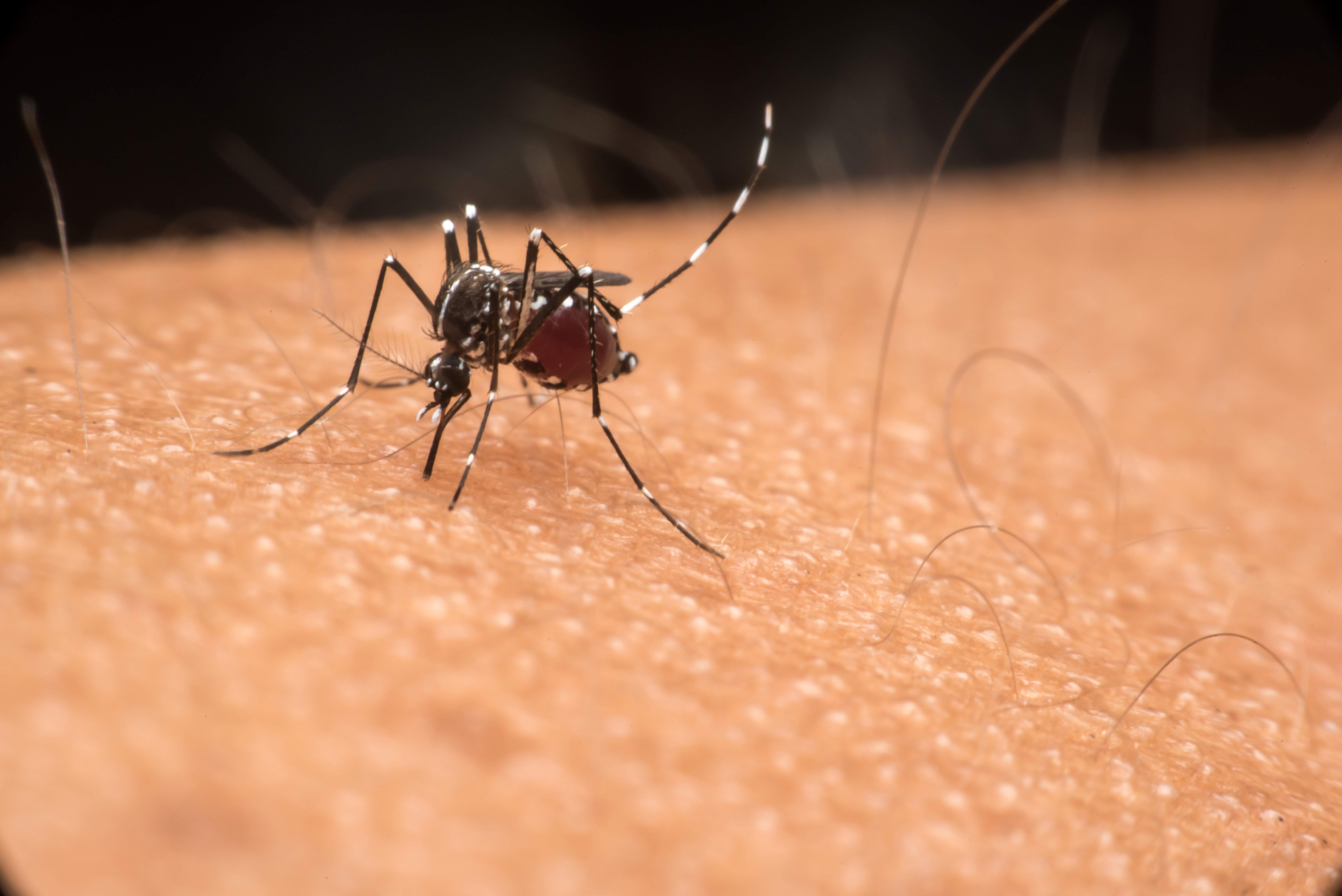
The national picture is similar. Global News reported that many Canadians have had a soggy June, with higher-than-normal rainfall in several areas. Edmonton saw bouts of heavy rain, Winnipeg's airport recorded over 100 millimetres compared with a normal of 90 millimetres, and Toronto's Pearson airport recorded 80.3 millimetres compared with a normal of 71.5 millimetres.
The bigger lesson is cause and effect. Heavy rain creates temporary water. Temporary water gives mosquito larvae somewhere to develop. A stretch of sun after that can turn a wet month into an itchy one very quickly.
Looking Ahead
More rain means more standing water, and more standing water means more monitoring. In Edmonton, Jenkins told Global News to expect numbers to get worse if rainy weather continues, while city crews keep treating ditches and ground habitats.
Peak mosquito season in southern Canada often runs through July and August, according to Soghigian, so the current surge may not be the final wave. Homeowners have the most control over small water sources: birdbaths, rain barrels, clogged gutters and containers left outside.
The confirmed next step is practical, not dramatic. Cities are monitoring and treating known habitats. Residents who want a calmer backyard will need to remove standing water before larvae become the next round of adults.
FAQ
Why are there so many mosquitoes in Alberta right now?
Heavy June rainfall left more standing water, creating breeding habitat for mosquitoes. Edmonton traps rose from five mosquitoes on May 23 to 534 on June 20.
When does mosquito season peak in Canada?
John Soghigian of the University of Calgary said mosquito season can start between May and June, peak between July and August, and end in October.
What can homeowners do to reduce mosquitoes?
Remove standing water, change birdbath water regularly, clean eavestroughs, screen rain barrels and use fans on decks or porches to make it harder for mosquitoes to land.
Does Edmonton still spray for mosquitoes?
Edmonton no longer does aerial spraying, but the city continues to treat ditches and ground habitats with larvicide targeting mosquito eggs and larvae.
What is culex pipiens?
Culex pipiens is a mosquito species the Edmonton Journal described as migrating into Alberta. It is associated with West Nile virus and can use backyard standing water.