Halle Bailey Opens Up About Finding Her Voice Beneath the Waves of Social Media Noise
The blue carpet was rolled out, the flashbulbs were popping, and a young woman stood at the center of a global whirlwind, carrying the weight of a Disney legacy on her shoulders. For Halle Bailey, stepping into the fins of Ariel wasn't just a career milestone; it was a crash course in digital resilience. She recently sat down to reflect on that period, revealing how the harsh spotlight actually became her greatest teacher in the art of self-preservation.

How Events Unfolded
When Disney first announced that Halle Bailey would lead the live-action reimagining of The Little Mermaid, the internet didn't just react—it divided. While millions of young girls saw themselves reflected in a Disney Princess for the first time, a loud and often vitriolic segment of the web targeted the casting with racially charged criticism. Bailey, then just beginning her solo journey outside of her musical duo with sister Chloe, found herself at the epicenter of a cultural flashpoint.
Rather than retreating, the actress leaned into the work. She spent months in intensive training, filming in London and Sardinia, all while the digital storm brewed back home. The conversation surrounding the film became less about the music and more about the politics of representation. What’s interesting is that the very tools used to attack her—social media platforms—eventually became the space where she learned to draw the line.
Reflecting on that time now, Bailey describes the experience as "freeing." By forced necessity, she developed a mental filter that many veteran Hollywood stars spend decades trying to master. She didn't just ignore the comments; she fundamentally changed her relationship with public opinion, focusing instead on the tangible impact her presence had on the next generation of viewers.
Under the Surface
To understand why this hit so hard, you have to look at the landscape of Disney's "Renaissance" era. For many, the 1989 original is a sacred cow of animation. However, the intensity of the backlash against a Black Ariel highlighted a deep-seated resistance to diversity in legacy media. This wasn't just a movie trailer; it was a mirror reflecting the current state of social discourse in North America and beyond.
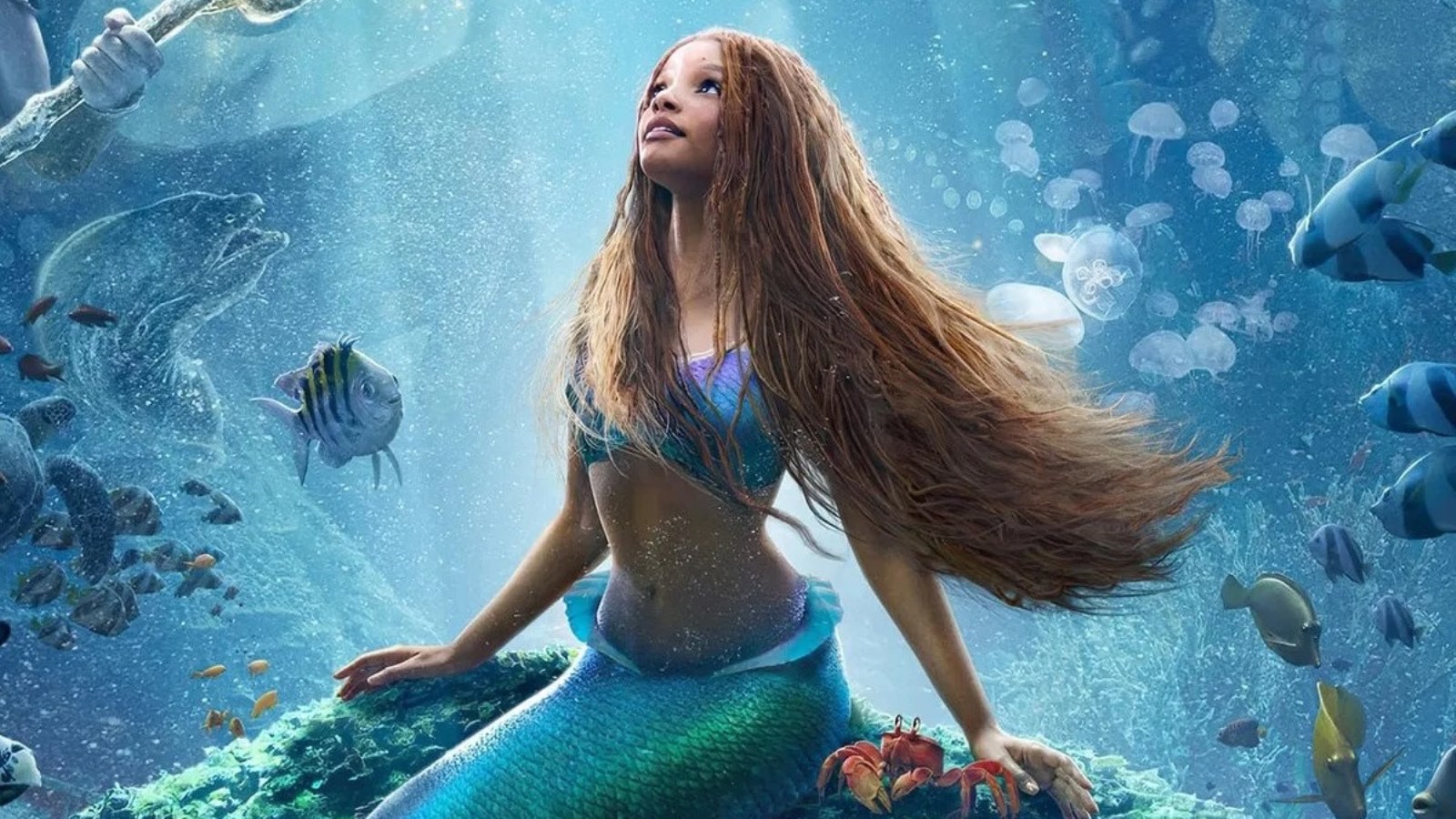
The pressure was immense. Disney invested over $250 million into the production, and the success of the film rested largely on Bailey’s ability to win over skeptical audiences. In Hollywood, when a project of this scale faces such organized negativity, the lead actor often becomes a lightning rod for the industry’s larger fears about "going woke." For Bailey, it was a trial by fire that shifted her from a rising star to a battle-tested advocate for her own peace of mind.
Voices & Opinions
Bailey wasn't navigating this ocean alone. She recently shared that several Hollywood heavyweights reached out to offer guidance during the peak of the controversy. Their message was simple: the noise is temporary, but the work is forever. Having mentors who had survived their own media cycles proved to be the anchor she needed when things got choppy.
It was a lesson in how to block out the noise. It was actually very freeing for me to realize that I don’t have to carry everyone’s opinions with me.
Industry analysts noted that her poise under pressure likely contributed to the film’s eventual box office success, proving that a strong central performance can override digital manufactured outrage. Her ability to remain graceful while being targeted by bad actors online set a new standard for how young stars handle modern PR crises.
Putting It in Perspective
Here in Canada, where multiculturalism is woven into our national identity, the debate felt particularly relevant. We saw local schools and community groups organizing screenings to celebrate the milestone, while simultaneously witnessing the same toxicity in our own social feeds. It serves as a reminder that even the most magical stories aren't immune to the friction of real-world prejudice.

The ripple effect of this experience has clearly shaped Bailey’s career trajectory. She has moved on to other major projects, including The Color Purple, with a newfound sense of agency. She's no longer the "new girl" hoping for approval; she’s a seasoned professional who knows exactly whose voices deserve a seat at her table.
Looking Ahead
What's next for the star? With her debut solo album on the horizon and more film roles in the pipeline, Bailey is moving forward with a clear strategy: music first, mental health always. While the "Ariel era" might be in the rearview mirror, the lessons she learned about blocking out the noise remain the foundation of her brand. You can expect her to continue taking roles that challenge the status quo, armed with the knowledge that a little bit of grit goes a long way in Tinseltown.
Frequently Asked Questions
What was Halle Bailey's reaction to the casting backlash?
She described the experience as a learning curve that taught her how to "block out the noise" and found the process ultimately freeing for her personal growth.
Who supported Halle Bailey during the controversy?
Several Hollywood stars and mentors reached out to her privately, though she maintains a focus on the support she received from her family and sister, Chloe.
Did the backlash affect The Little Mermaid's performance?
Despite the online noise, the film was a significant commercial success, grossing over $569 million worldwide at the box office.
What is Halle Bailey working on now?
She is focusing on her solo music career and has recently starred in the musical adaptation of The Color Purple.
Why was the casting of Halle Bailey considered significant?
It marked a major moment for representation, as she was the first Black actress to play Ariel in a live-action Disney film.

Resources
Sources and references cited in this article.