Law & Order Shakeup: Organized Crime Ends After 5 Seasons
The squad room lights are dimming, and fans can almost hear the echo of footsteps leaving the precinct. After five seasons, one of TV’s grittier crime dramas is officially wrapping up, and the ripple is being felt far beyond the screen. NBC has pulled the plug on “Law & Order: Organized Crime,” bringing an unexpected end to Elliot Stabler’s long-running arc.
The decision lands as a surprise for many viewers who followed the show’s crossover moments with SVU. It also raises bigger questions about where the franchise goes next—and what it means for its most iconic characters.

How Events Unfolded
The cancellation didn’t arrive quietly. It came after months of speculation about ratings, streaming performance, and shifting network priorities. NBC had already moved the series to Peacock, signaling a strategic pivot that never quite found stable footing.
Behind the scenes, the show faced creative reshuffles and showrunner changes—something longtime viewers noticed. The tone shifted season to season, sometimes leaning into serialized arcs, other times returning to classic procedural storytelling.
Meanwhile, the broader “Law & Order” universe continued to expand and contract at the same time. With SVU still pulling strong numbers and the flagship series holding steady, the spinoff had to fight for its place.
Then came the final call: after five seasons, the story would end here. No sixth season. No soft reboot. Just a clean break.
Critical Details
At its peak, “Organized Crime” leaned heavily on serialized storytelling—following long arcs involving crime syndicates and personal stakes. That approach set it apart from its procedural siblings but also made it harder for casual viewers to jump in mid-season.

For networks and streamers, consistency matters. A show that requires weekly commitment can struggle in an era where viewers dip in and out. That tension likely played a role in the decision.
There’s also the numbers game. While exact figures weren’t publicly highlighted, industry chatter pointed to performance that didn’t quite justify the cost of a premium drama production.
And here’s the thing—franchise fatigue is real. Even a powerhouse like “Law & Order” isn’t immune when multiple series compete for the same audience slice.
Reactions & Responses
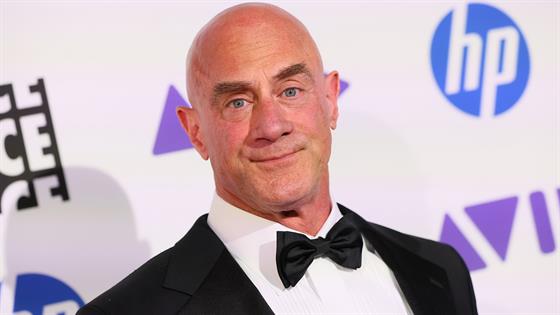
Christopher Meloni, the face of Elliot Stabler, didn’t hold back emotionally. His farewell struck a chord with fans who’ve followed the character for decades.
It was a great ride.
That simple line carried weight. Stabler isn’t just another TV cop—he’s part of the DNA of the franchise, dating back to his original run on SVU.
Mariska Hargitay, his longtime co-star, also chimed in with a message that fans instantly recognized as deeply personal.
P4L.
Short, but loaded. For longtime viewers, it’s shorthand for a bond that’s been built over more than two decades.
Putting It in Perspective
For Canadian viewers, this hits differently. “Law & Order” has been a staple on local broadcasts and streaming platforms for years. It’s the kind of show people put on after work—familiar, reliable, part of the routine.
So when a series like this ends, it’s not just about ratings. It’s about losing a piece of that routine. Out of sight, out of mind? Not quite. Fans here tend to hold onto their favourites.
There’s also the franchise impact. With one branch cut, attention shifts back to SVU and the flagship series. That could mean stronger crossover episodes—or fewer risks with experimental storytelling.
And if you’re following TV trends, you’ve seen this before. Shows with strong legacy ties often get reshaped rather than fully replaced. The door isn’t locked forever—it’s just closed for now.
Looking Ahead
What comes next? That’s the question everyone’s asking.
There’s no official word on whether Stabler will return to SVU full-time, but the possibility is very much alive. The character’s history—and fan demand—make it hard to imagine a permanent goodbye.
Networks are also rethinking how they handle long-running franchises. Expect fewer sprawling spinoffs and more tightly focused storytelling.
For now, though, this chapter ends here. And as any fan knows, in the “Law & Order” universe, endings rarely stay final.
FAQ
Why was Law & Order: Organized Crime canceled?
The show faced challenges with ratings, streaming performance, and its serialized format, making it harder to sustain compared to procedural counterparts.
How many seasons did Organized Crime run?
It aired for five seasons before being canceled.
Will Christopher Meloni return to SVU?
There’s no official confirmation, but his character’s strong ties to SVU make a return possible.
Is the Law & Order franchise ending?
No. Other series like SVU and the original Law & Order remain active.
Where can fans watch past episodes?
Episodes are available on streaming platforms like Peacock and regional broadcasters in Canada.

Resources
Sources and references cited in this article.