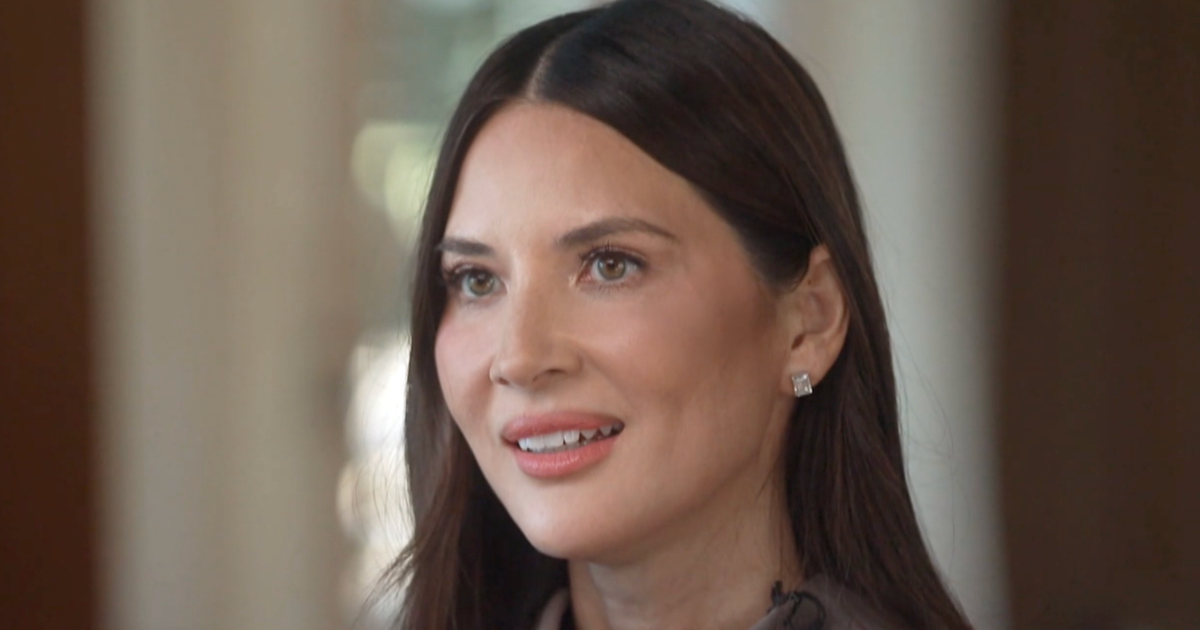
Olivia Munn didn't feel a lump, didn't have a fever, and wasn't unusually tired when she walked into a routine check-up that would change her life. The 43-year-old actress sat across from doctors who delivered the staggering news of a breast cancer diagnosis despite her having "no symptoms" at all. This wasn't just a health update; it was a wake-up call that has since turned into a mission to save lives through awareness.
How Events Unfolded
The journey began quietly, behind the scenes of Munn’s high-profile life. After a series of tests that initially appeared clear—including a mammogram that came back negative—a proactive doctor decided to calculate her Breast Cancer Risk Assessment Score. That one extra step revealed a 23% lifetime risk, prompting an MRI and subsequent biopsy that caught the aggressive Luminal B cancer in both breasts.
Since the diagnosis, Munn has undergone a grueling series of treatments, including a double mastectomy and multiple surgeries over the last year. She has been remarkably transparent about the "exhausting" nature of the recovery process. What’s interesting is how she’s balanced this private battle with a public-facing role, recently appearing on ABC News to discuss the intersection of her health and her work on new comedy-drama projects.
Her story isn't just about survival; it's about the hidden complexities of modern screening. Many women in Canada and across North America rely solely on physical exams or standard mammograms, but Munn's experience suggests that for some, those tools aren't enough to catch the "silent" killers. She’s now using her platform to urge others to look deeper than just the surface symptoms.
Critical Details
Why is this case causing such a stir in the medical community? Typically, we are taught to look for changes in our bodies, but Munn's cancer was effectively invisible to her. This highlights a terrifying gap in general health literacy. Luminal B is known for being fast-growing, making early detection via risk scores—not just symptoms—the difference between life and death.
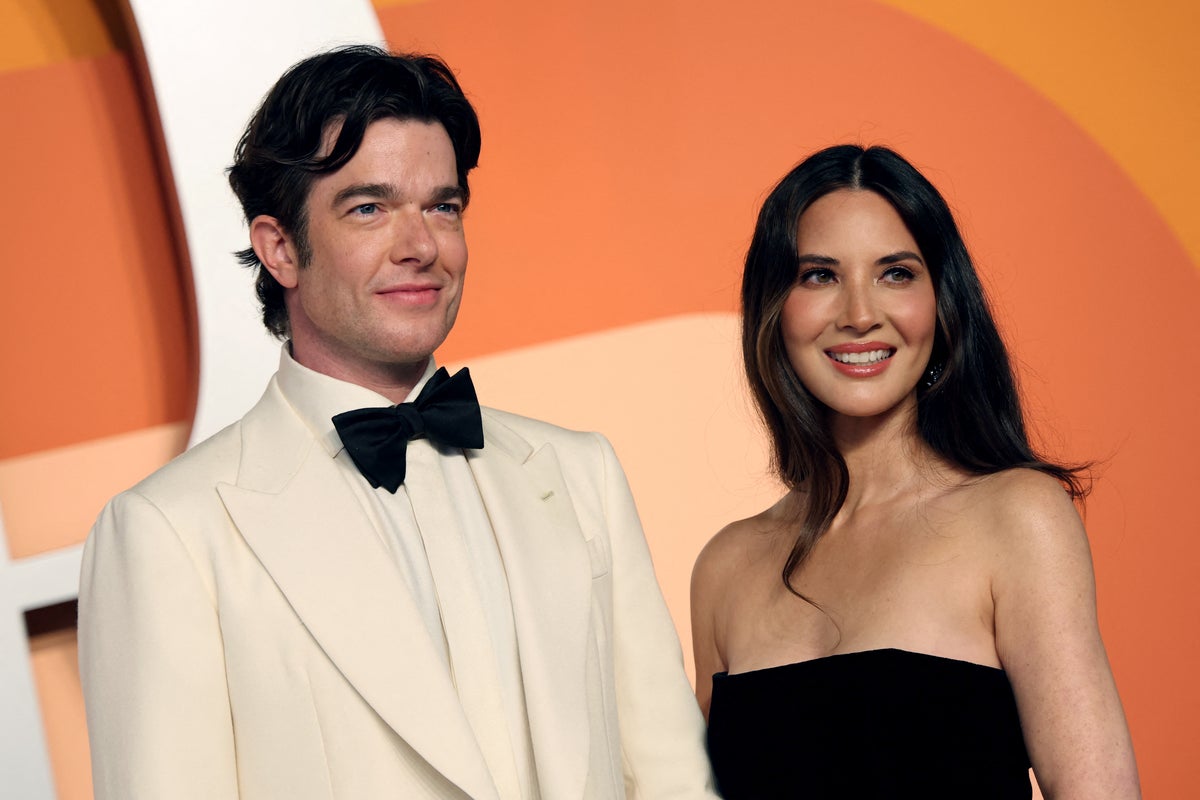
The support system around her has also become a focal point of the story. Her husband, comedian John Mulaney, has been by her side through every procedure. In a move that feels very on brand for the couple, they’ve used humor as a shield. Munn revealed that Mulaney’s "inappropriate cancer jokes" were a vital part of her recovery, helping to strip away the fear and make the hospital stays feel less like a death sentence and more like a hurdle they were jumping together.
Reactions & Responses
The public reaction has been a mix of shock and gratitude. Many fans have noted that Munn’s openness is helping de-stigmatize the "scary" parts of women's health. By showing the exhaustion and the scars, she’s moving past the polished Hollywood narrative of "bouncing back."
I feel lucky that I got the chance to find it and have options. It’s exhausting, but I’m still here.
Medical professionals are also weighing in, praising her for mentioning the specific risk assessment tools. They note that while mammograms are essential, high-risk patients often need supplemental screening that isn't always offered by default. This conversation is particularly relevant in Canada, where screening guidelines are frequently debated among provincial health authorities.
Putting It in Perspective
For the average person in CA, Munn’s story serves as a reminder that being "proactive" means more than just showing up for an annual physical. It means asking for the numbers. Her advocacy could lead to a tangible shift in how women approach their doctors, moving from a "wait and see" approach to one rooted in data-driven prevention.
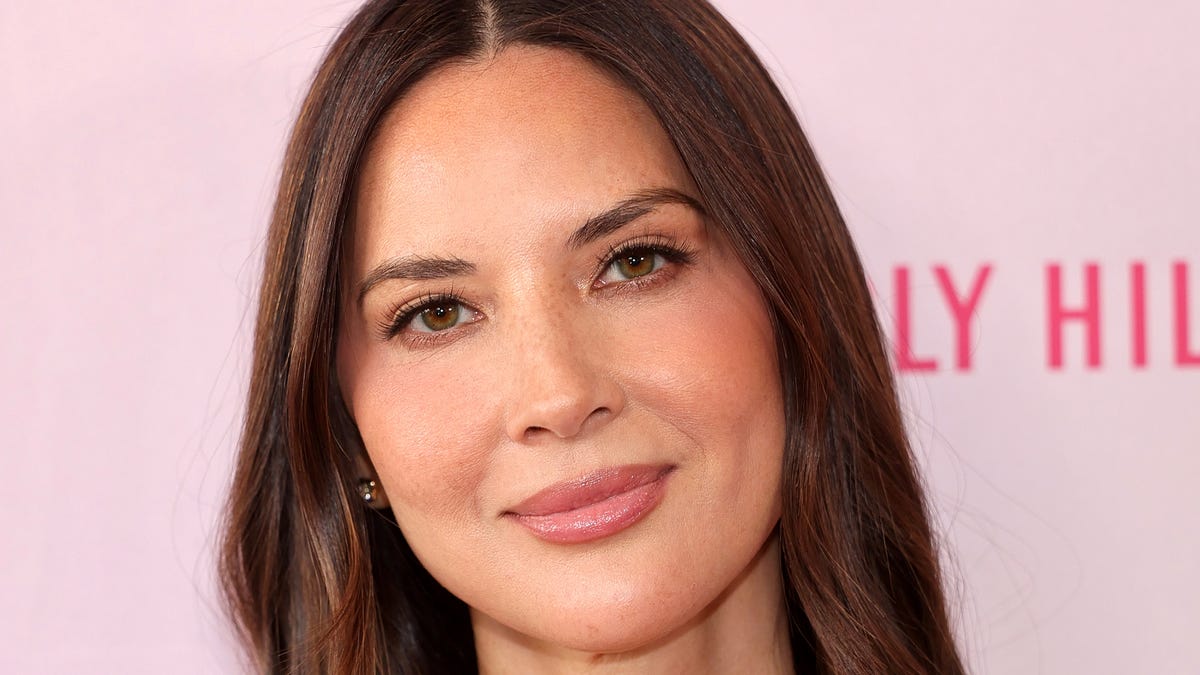
The ripple effect is already visible. Social media has seen a spike in women sharing their own stories of "clean" mammograms that missed underlying issues. By being the face of this "no symptoms" campaign, Munn is effectively changing the checklist for breast health for an entire generation.
Looking Ahead
Munn is currently focused on her ongoing recovery while balancing her return to the screen. She has confirmed that she will continue to advocate for better screening protocols and more comprehensive risk assessments. As she moves into this next chapter, the focus remains on health and her family, ensuring that her journey serves as a blueprint for others facing similar "silent" battles.
FAQ
What kind of cancer was Olivia Munn diagnosed with?
She was diagnosed with Luminal B breast cancer, an aggressive form that was present in both breasts despite a negative mammogram just months prior.
How did Olivia Munn find out she had cancer if she had no symptoms?
Her doctor calculated her Breast Cancer Risk Assessment Score, which showed a high lifetime risk of 23%. This led to an MRI and a biopsy that confirmed the diagnosis.
Who is Olivia Munn’s husband?
She is married to comedian John Mulaney, who has been a major source of support and humor throughout her treatment and recovery.

Resources
Sources and references cited in this article.