
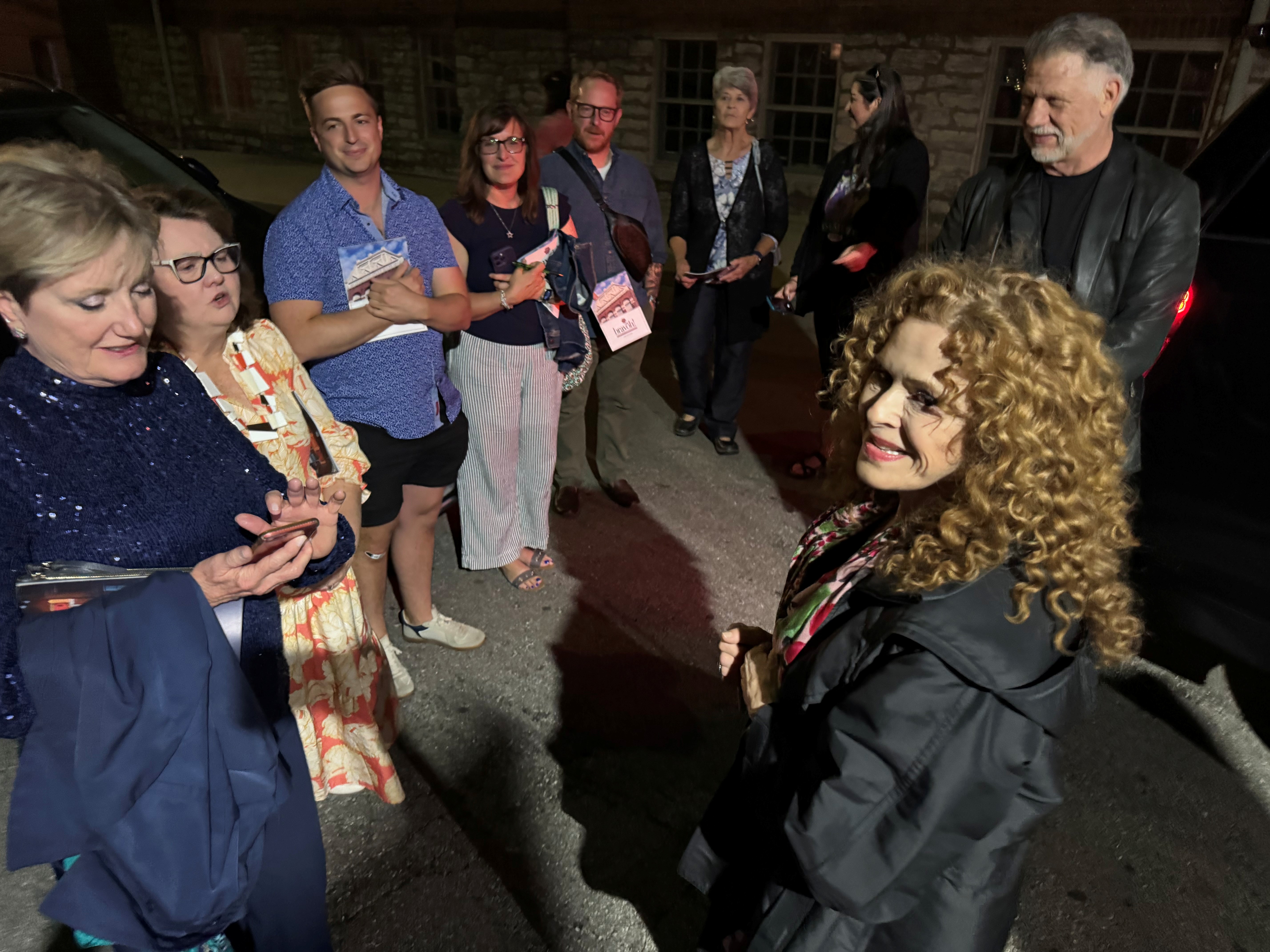
140 years. That’s how long the Lexington Opera House has stood in downtown Kentucky — surviving fires, changing entertainment trends and even a near-demolition that almost wiped it off the map in the 1970s. Now, with Broadway legend Bernadette Peters helping headline anniversary celebrations, the historic venue is suddenly back in the spotlight for a whole new generation.
For theatre fans across Canada watching North America’s live performance scene rebound after years of uncertainty, the story feels familiar. Historic venues are fighting to stay culturally relevant while audiences crave experiences that feel personal, nostalgic and worth leaving the couch for. And in Lexington, organizers are betting star power and local pride can do both at once.
The Bottom Line
- The Lexington Opera House is marking its 140th anniversary with special performances and community events.
- Broadway icon Bernadette Peters is among the biggest names tied to the celebrations.
- The theatre narrowly escaped demolition roughly 50 years ago after local preservation efforts.
- Organizers say the anniversary is about more than nostalgia — it’s about keeping live theatre thriving.
- Canadian theatre audiences may recognize the same challenges facing historic venues at home.
Breaking It Down
The anniversary celebrations didn’t come out of nowhere. For months, organizers had been planning a series of performances designed to remind people why the venue mattered in the first place. Bernadette Peters — known for her decades on Broadway and unmistakable stage presence — became one of the headline attractions drawing attention beyond Kentucky.
Meanwhile, the celebrations also reopened an older conversation about preservation. Back in the 1970s, the Opera House was dangerously close to demolition as downtown redevelopment projects reshaped the city. Community activists and arts supporters pushed back hard, arguing the building represented more than bricks and velvet seats. They won. Barely.
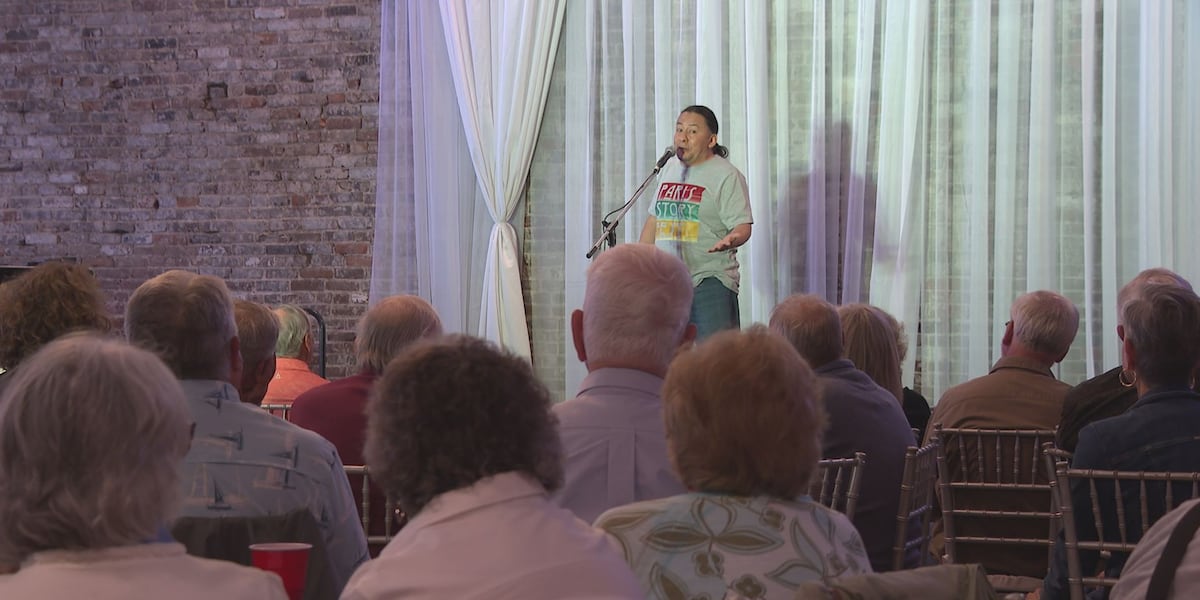
What's interesting is how the venue has managed to reinvent itself over the decades. Originally built in the late 19th century, the Opera House adapted through vaudeville eras, movie screenings and modern touring productions. Few entertainment spaces survive that kind of cultural whiplash.
If you follow theatre culture closely, you might notice echoes of similar battles in Canada. Historic theatres in cities like Toronto, Winnipeg and Vancouver have also faced redevelopment pressure. Use it or lose it, as arts advocates often say. The Lexington story lands because audiences across North America know exactly how fragile these spaces can be.
- Historic Preservation
- The process of protecting buildings or landmarks with cultural or historical importance.
- Broadway
- The highest-profile professional theatre district in New York City, often considered the centre of American stage performance.
- Vaudeville
- An older style of live variety entertainment popular in North America before television became dominant.
People attending anniversary events weren’t just showing up for celebrity appearances. Many came because the theatre itself has become part of family history. Grandparents who once attended movies there are now bringing grandchildren to stage performances. That kind of emotional connection is hard to manufacture.

Why This Matters
For Canadian readers, there’s a bigger takeaway here than one anniversary concert. Across the country, arts organizations are still rebuilding attendance after pandemic disruptions changed entertainment habits. Live theatre now competes with streaming platforms, rising ticket costs and shrinking discretionary spending.
Here’s the thing: celebrity-driven events can reignite public attention in ways ordinary marketing campaigns rarely manage. Bernadette Peters brings credibility with older theatre fans while introducing younger audiences to a venue they may never have considered visiting. That matters financially. Historic theatres rely heavily on packed houses, donor support and community goodwill to survive.
The Lexington story also highlights something cities everywhere are wrestling with — whether cultural landmarks should be protected even when redevelopment promises bigger profits. In many Canadian downtowns, similar debates continue around heritage buildings. A city without memory loses its heartbeat. That sentiment keeps surfacing whenever another historic venue faces closure.
What Comes Next
Organizers say anniversary programming will continue through the year with performances, storytelling events and theatre outreach activities aimed at younger audiences. Additional community celebrations are expected as preservation groups use the milestone to raise awareness about ongoing restoration needs.
And for Bernadette Peters fans? Interest in her appearances has already boosted attention toward the venue online, with theatre supporters sharing archival photos and memories across social media. In an era where live performance venues constantly compete for relevance, that kind of buzz can go a long way.
FAQ
Who is Bernadette Peters?
Bernadette Peters is an award-winning Broadway performer and singer known for productions including Into the Woods and Hello, Dolly!.
Why is the Lexington Opera House celebrating?
The venue is marking its 140th anniversary with performances, historical tributes and community events.
Was the Lexington Opera House almost demolished?
Yes. Preservation advocates helped save the building roughly 50 years ago during redevelopment efforts.
Why are historic theatres important?
They preserve cultural history, support local arts communities and often anchor downtown entertainment districts.
How does this connect to Canada?
Canadian cities face many of the same challenges around preserving historic theatres while adapting to modern entertainment habits.
Read more about the anniversary celebrations and learn how preservation groups helped save the theatre.