
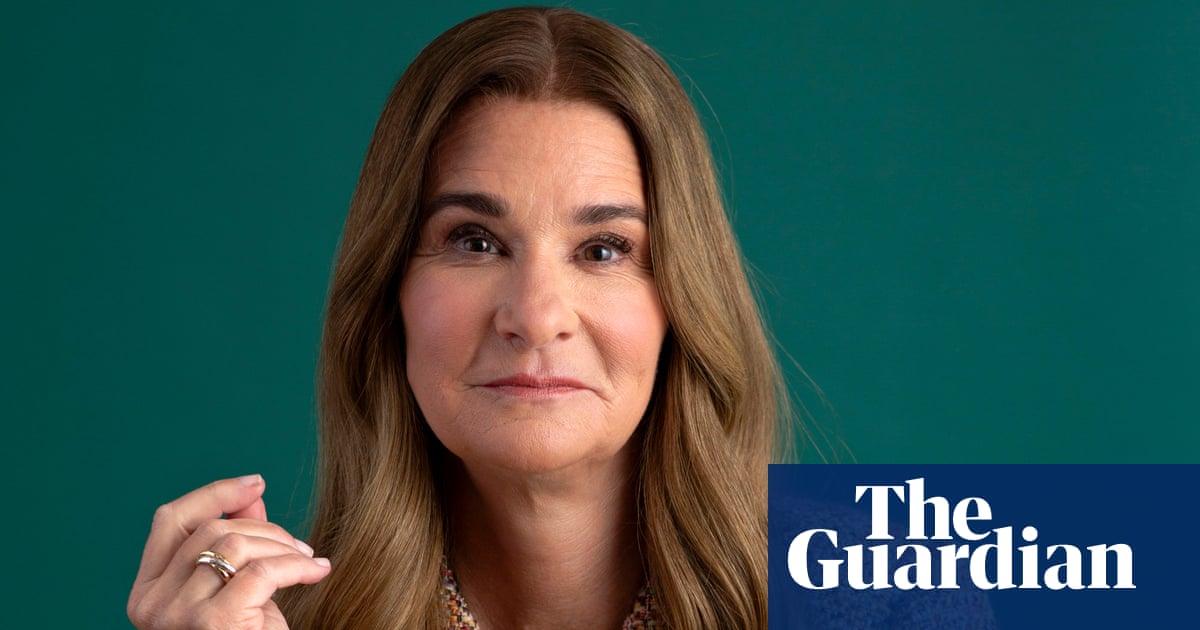
$215 million is the new figure behind Melinda French Gates’s latest push into women’s health care, but it is not the only reason her new interview is drawing attention. Speaking to The Guardian, the 61-year-old philanthropist connected that funding to a much wider argument about power, justice and whose pain gets taken seriously. Her remarks on Jeffrey Epstein also landed days after Bill Gates testified to a U.S. congressional panel about Epstein’s attempt to blackmail him.
The Bottom Line
- Melinda French Gates said Jeffrey Epstein was an “abhorrent human being” and argued the justice system “didn’t do its job.”
- The interview was published Saturday, June 13, after Bill Gates testified during a closed-door House Oversight Committee hearing.
- French Gates said she met Epstein once and described a strong physical reaction when asked about that encounter.
- She is committing $215 million in new funding toward women’s health care, including reproductive health and midlife health.
- Pivotal, the organization she founded in 2015, has already pledged $2 billion toward projects supporting women and their families.
Breaking It Down
The interview catches French Gates at a clear turning point. It has been five years since her divorce from Bill Gates, and two years since she stepped down from the Gates Foundation to focus on Pivotal full-time. The Guardian describes a quieter personal rhythm in Seattle — bookshops, walks with friends, and time with two granddaughters — set against the scale of a philanthropic operation that received $12.5 billion from Bill Gates in 2024 as part of their settlement agreement.
That personal reset is tied to a public agenda. French Gates told The Guardian that Pivotal is one of the largest private foundations in the United States and that her work is now centred on women’s empowerment. The new $215 million commitment is split between reproductive health and health in midlife, including menopause, an area she argued has been treated as invisible despite affecting half the population.
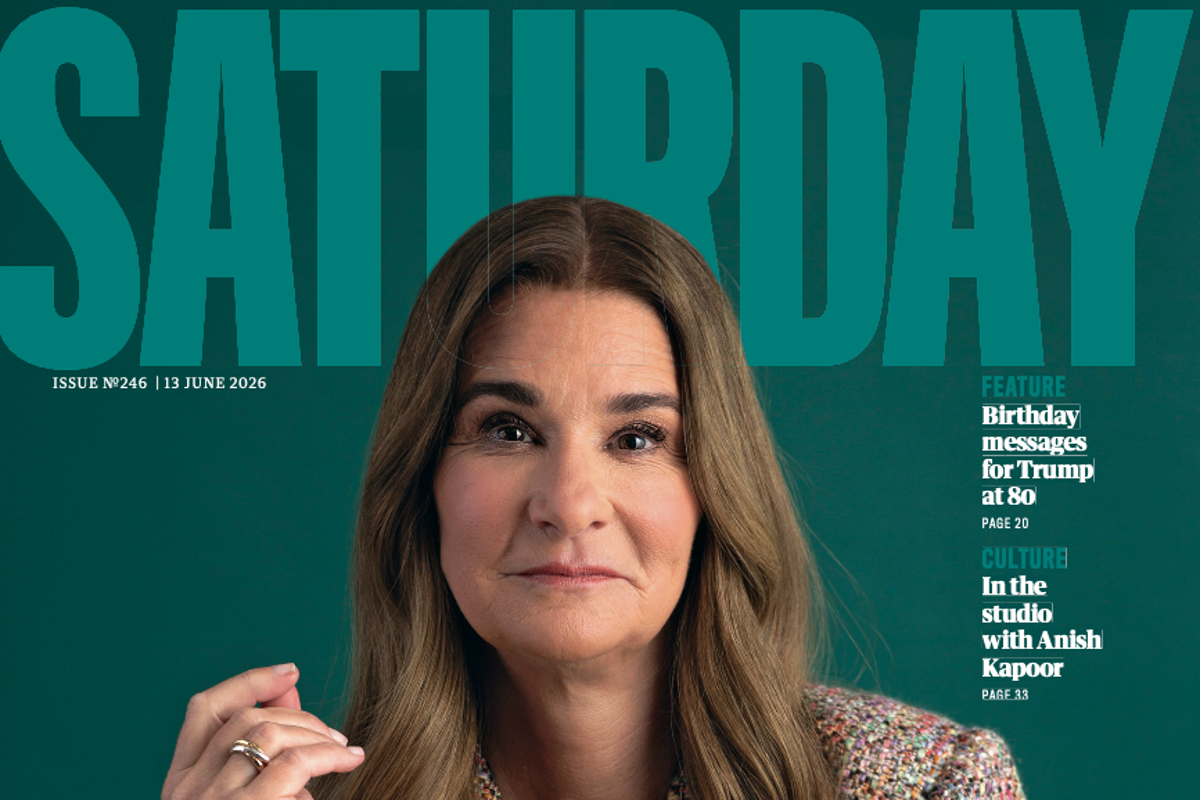
The Epstein portion of the interview is the most emotionally charged. French Gates said she had not been silent about him and described speaking out because Epstein’s victims deserved peace and justice. When asked why Epstein was able to continue for so long, she put responsibility plainly on the system.
“The justice system didn’t do its job. It did not do its job. Full stop. This could have been stopped.”
The timing gives her comments more weight. The Independent reported that the interview appeared days after Bill Gates testified about Epstein during a closed-door House Oversight Committee hearing. According to AOL’s account of the testimony, Gates said Epstein had learned sensitive details about his personal life, including that he had been unfaithful in his marriage, and that Epstein was “unsuccessful” in using that information to blackmail him.
Why This Matters
French Gates is not only talking about one disgraced financier. She is arguing that when institutions fail to protect vulnerable people, powerful men can keep moving through elite circles with too little scrutiny. That is why her phrase “bad things happen in darkness” matters: it links Epstein’s crimes to a broader demand for transparency and accountability.
Her women’s health funding also arrives at a moment when she says the medical system has long treated women’s bodies as secondary. The Guardian reported her point that for every dollar spent globally on medical research and innovation, just 5 cents goes to women’s health. For Canadian readers, the broader takeaway is familiar: gaps in research, menopause support, reproductive care and maternal health do not stop at the U.S. border, and major philanthropic funding can shape which problems receive attention.

There is also a reputational shift here. French Gates spent decades publicly linked to the Gates Foundation and to Bill Gates. Now, she is defining a separate public identity: less focused on global health as a joint Gates project, and more focused on women’s power, reproductive rights and the health issues that often hit women when they are juggling careers, children and ageing parents.
What Comes Next
The confirmed next step is the deployment of the $215 million funding package through initiatives connected to reproductive health and midlife health. French Gates also told The Guardian she plans to keep working full-time for at least another decade, into her 70s.
On the Epstein front, the public thread continues through the House Oversight Committee’s investigation and the testimony surrounding Epstein’s connections with powerful people. French Gates’s position is clear: the unanswered questions, including those involving her ex-husband, are not hers to answer.
FAQ
What did Melinda French Gates say about Jeffrey Epstein?
She called Epstein an “abhorrent human being” and said the justice system “didn’t do its job,” adding that “this could have been stopped.”
How much is Melinda French Gates giving to women’s health?
She is committing $215 million in new funding toward women’s health care, including reproductive health and midlife health such as menopause.
When did Bill and Melinda Gates divorce?
They divorced in 2021 after 27 years of marriage. French Gates has said several factors contributed to the split, including Bill Gates’s contact with Epstein.
What is Pivotal?
Pivotal is the philanthropic organization French Gates founded in 2015 to promote women’s empowerment. It has pledged $2 billion toward projects supporting women and their families.
Why is the interview being discussed now?
It was published on Saturday, June 13, just days after Bill Gates testified during a closed-door House Oversight Committee hearing about Epstein.