
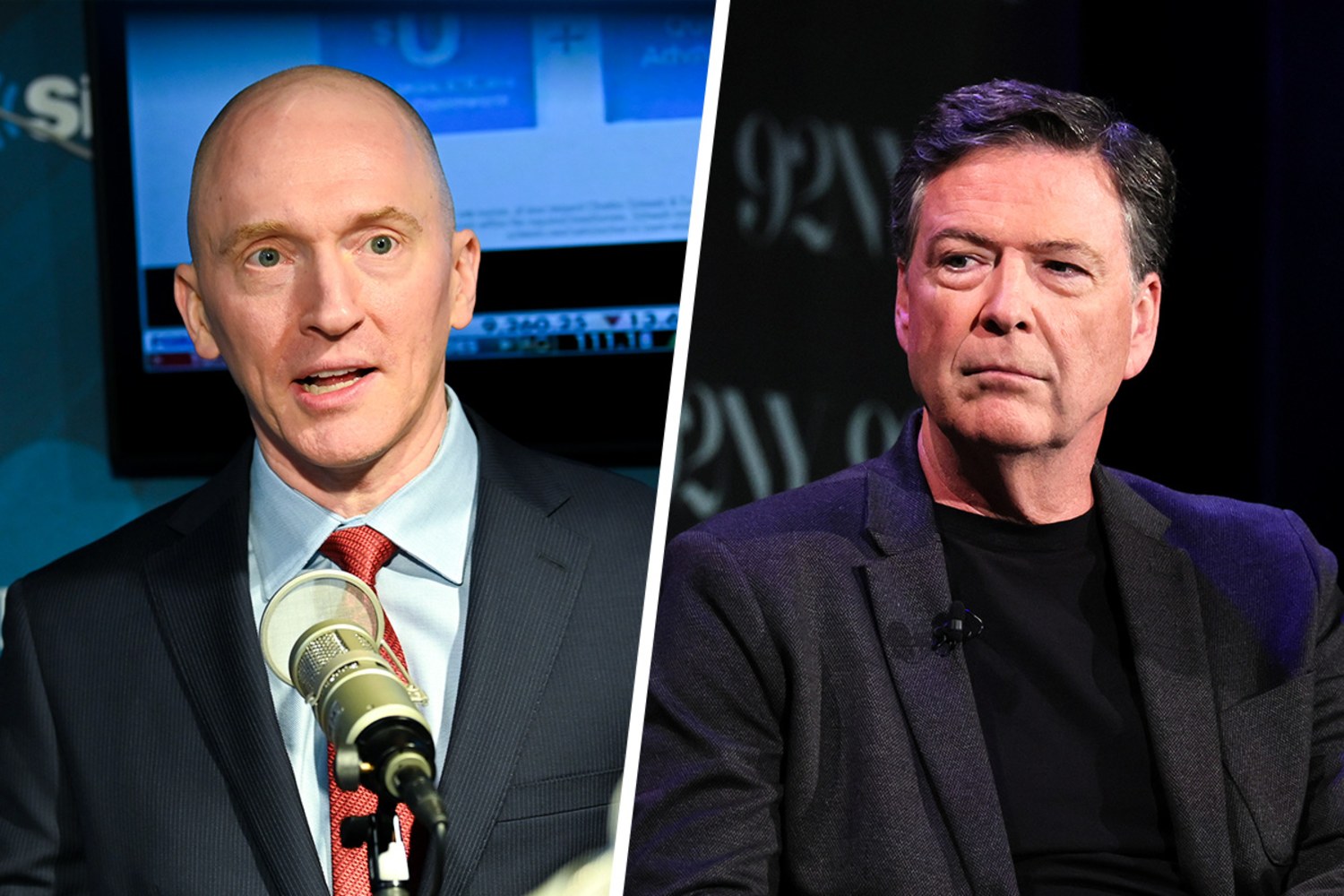
The order landed with little drama: a brief entry from the U.S. Supreme Court, no written explanation, and one justice not taking part. But for Carter Page, the former Trump campaign adviser who challenged FBI surveillance from the 2016 Russia investigation, it was a major legal dead end. On Monday, the court declined to hear his appeal, leaving lower-court rulings in place. The decision effectively ends his effort to revive claims against former FBI Director James Comey and other former officials as individuals.

How Events Unfolded
Page sued Comey, former FBI Deputy Director Andrew McCabe and other former officials over surveillance conducted under the Foreign Intelligence Surveillance Act during the FBI probe into Russian interference in the 2016 election. The surveillance applications later came under sharp scrutiny after a Justice Department inspector general report found mistakes, errors and omissions in the process used to obtain the warrants.
The Supreme Court declined review in a brief order. That is a common outcome for appeals, but the impact here is direct: Page’s remaining claims against individual former officials will not be revived by the high court. Justice Ketanji Brown Jackson did not participate in the case, with MS NOW reporting the order cited her prior judicial service.
Lower courts had already rejected Page’s lawsuit. The D.C. Circuit upheld dismissal on timing grounds, concluding that a three-year statute of limitations barred the claims. Page argued the clock should have started with the inspector general’s report in 2019 rather than earlier reporting about the surveillance.
The federal government portion of Page’s case had already been separated from the appeal. Multiple reports said the Trump administration settled those claims in April, with Reuters and other outlets reporting a $1.25 million settlement. The case that reached the Supreme Court involved claims against former officials personally.
Critical Details
The legal fight turned less on whether the surveillance process had problems, and more on whether Page waited too long to sue and whether the right defendants were named. Reuters reported that the D.C. Circuit traced the limitations clock to an April 2017 Washington Post article about the operation. Page argued that the clock should instead begin when the government acknowledged unlawful surveillance.
That timing question matters because surveillance disputes often become public only after classified activity is reported, investigated or later acknowledged. Page’s petition argued that the lower-court approach created a legal bind: sue too early and the claim may look speculative; sue later and it may be time-barred. The justices chose not to take the case, so the lower-court ruling remains the controlling outcome for Page.
The underlying surveillance was part of the FBI’s Crossfire Hurricane investigation. Source material says the FBI obtained warrants in 2016 and 2017 to surveil Page, who served as a foreign policy adviser to Donald Trump’s 2016 campaign. Page was never charged with wrongdoing and denied improper ties to Russia.
Reactions & Responses
The Supreme Court gave no explanation for denying review, which is standard when it turns away appeals. None of the justices noted a public objection to the denial in the order described by MS NOW.
Comey attorney David N. Kelley declined to comment on the earlier settlement after it appeared in a Supreme Court filing, according to NBC News. The Justice Department, after the settlement, criticized the surveillance of Page in a statement quoted by NBC News, but the spokesperson was not named in the source material, so the statement is not reproduced here as a formal quote.
The FBI’s past response to the inspector general findings is also part of the record. Fox News and AP-linked reporting noted that former FBI and Justice Department leaders involved in approving the warrants later said they would not have signed off had they known the full extent of the problems. The FBI also said it had initiated more than 40 corrective steps aimed at improving the accuracy and thoroughness of future surveillance applications.
Putting It in Perspective
For readers in Canada, the case is a reminder of how national-security surveillance disputes can stretch years beyond the original investigation. The political setting is American, but the questions are familiar in any democracy: how secret intelligence powers are checked, how errors are corrected, and what remedy exists when a person says surveillance was unlawful.
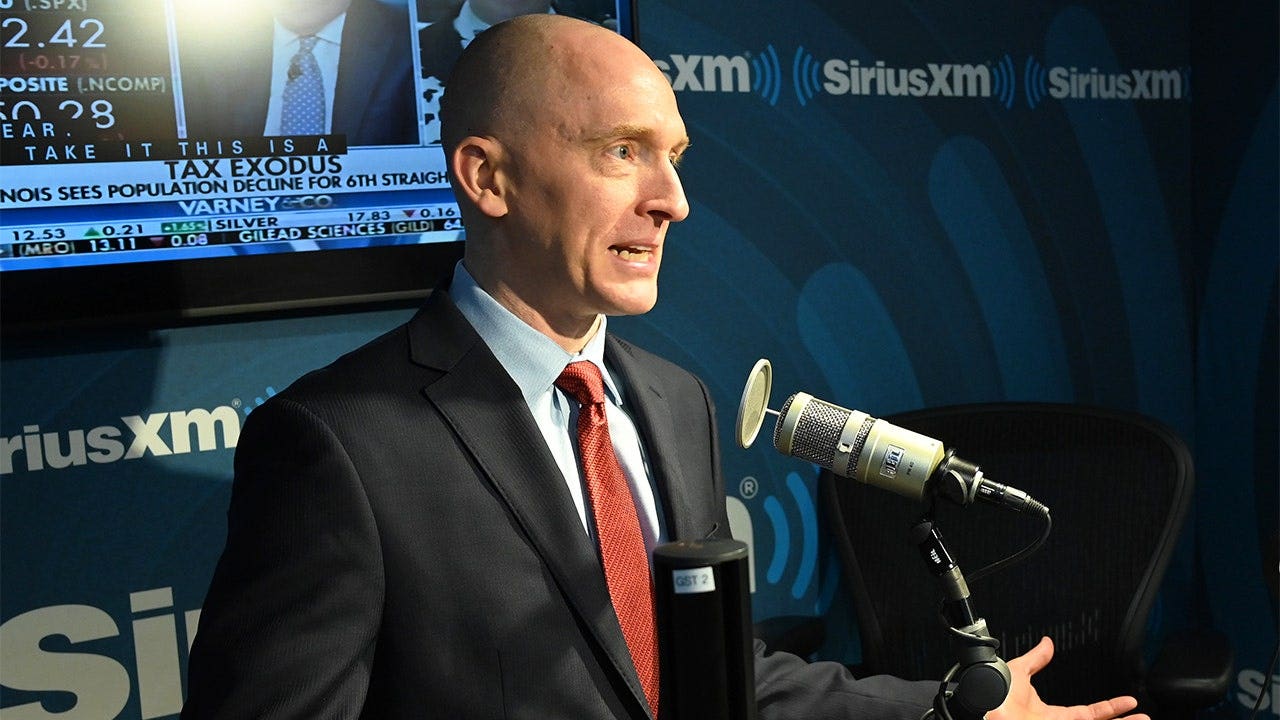
The Page surveillance issue was only one portion of the larger Russia investigation. AP-linked reporting said special counsel Robert Mueller concluded Russia interfered in the 2016 campaign and that the Trump campaign welcomed the assistance, while Mueller’s team did not find sufficient evidence to establish a criminal conspiracy between the campaign and Russia. CNN also reported that Mueller’s final report highlighted Page’s pre-campaign contacts with Russian intelligence officers, his Moscow trip in summer 2016 and interactions involving Kremlin officials where the Trump campaign was discussed.
The practical result is narrow but significant. Page received a government settlement, but his attempt to continue against individual former officials has hit the end of the road at the Supreme Court. That distinction matters: settling with the government is not the same as winning personal liability claims against former officials.
Looking Ahead
The confirmed next step is simple: the lower-court dismissal remains in place. The Supreme Court’s denial means there will be no high-court review of Page’s remaining claims against Comey, McCabe and the other former officials named in the appeal.
The broader debate over FBI surveillance procedures will continue through policy, oversight and future litigation, not through this case. The specific legal path Page tried to pursue is now closed unless another separate claim emerges from facts already supported in the court record.
FAQ
What did the Supreme Court decide in Carter Page’s case?
The Supreme Court declined to hear Carter Page’s appeal on Monday, leaving lower-court rulings in place and ending his bid to revive remaining claims against former FBI officials.
Why was Carter Page suing James Comey?
Page sued former FBI Director James Comey and others over surveillance tied to the 2016 Russia investigation, arguing that flawed FISA warrant applications led to unlawful surveillance.
Was Carter Page charged with a crime?
No. The source reports state that Page was never charged with wrongdoing and denied improper ties to Russia.
How much did Carter Page settle for with the government?
Reuters and other source reports said the Trump administration agreed to a $1.25 million settlement of Page’s claims against the federal government.
Why did lower courts reject Carter Page’s lawsuit?
Lower courts rejected the case in part because they found it was filed too late under a three-year statute of limitations. AP-linked reporting also noted issues with whom Page sued.