
For Canadians, this isn’t just a policy tweak—it’s a shift that could reshape who counts as part of the national fabric. From cross-border families to long-lost descendants, thousands are suddenly taking a second look at their eligibility. In just days, interest has spiked, with many rushing to file applications before backlogs grow even longer.
At the heart of it: updated citizenship rules that expand eligibility by descent. The change is already triggering a wave of new applicants—especially from the United States—while raising fresh questions about identity, fairness, and how Canada defines belonging.

Setting the Scene
For years, Canada’s citizenship-by-descent rules were strict. If you were born outside the country, eligibility often stopped after the first generation. That meant children of Canadians born abroad frequently hit a legal wall—even if their families had deep ties to the country.
Now, that wall is starting to crack. A combination of legal challenges and policy pressure has pushed lawmakers to rethink the system. Courts have increasingly questioned whether older rules unfairly excluded people with legitimate claims to citizenship.
Meanwhile, global mobility is changing how people think about nationality. A second passport is no longer just a luxury—it’s insurance. Access to healthcare, education, and job markets across borders has made citizenship policies more than symbolic.
Here’s What Happened
The new rules expand who can claim Canadian citizenship through ancestry. In simple terms, more people born outside Canada—especially those with Canadian parents or grandparents—may now qualify.
That shift has triggered immediate demand. Reports point to a surge in applications, with processing times stretching toward a 10-month backlog in some cases. Immigration lawyers say inquiries have jumped sharply in just a few weeks.

What’s interesting is where the demand is coming from. Millions of Americans are now believed to be newly eligible. In regions like New England, estimates suggest as many as 1 in 4 people could qualify under the updated rules due to historic migration patterns.
And it’s not just paperwork curiosity. Some applicants say they’re applying “just in case”—a hedge against political or economic uncertainty. When the door opens, people don’t wait around, as one immigration consultant put it.
Reactions & Responses
Policy experts see the change as long overdue. Legal analysts argue that earlier restrictions didn’t reflect modern realities of global families. One policy voice framed it as a correction rather than a radical shift.
“Citizenship law should reflect real connections, not arbitrary cutoffs.”
On the ground, immigration professionals are more pragmatic. They’re warning clients about delays and advising early applications. The spike in demand has already stretched resources.
“We’re seeing a rush—people don’t want to miss their window.”
Meanwhile, public reaction is mixed. Some Canadians welcome the inclusivity. Others worry about administrative strain and whether the system can handle the influx.
The Bigger Picture
This isn’t happening in a vacuum. Around the world, countries are tightening citizenship rules. Italy, for example, has recently made descent-based citizenship harder to obtain. Canada is moving in the opposite direction.
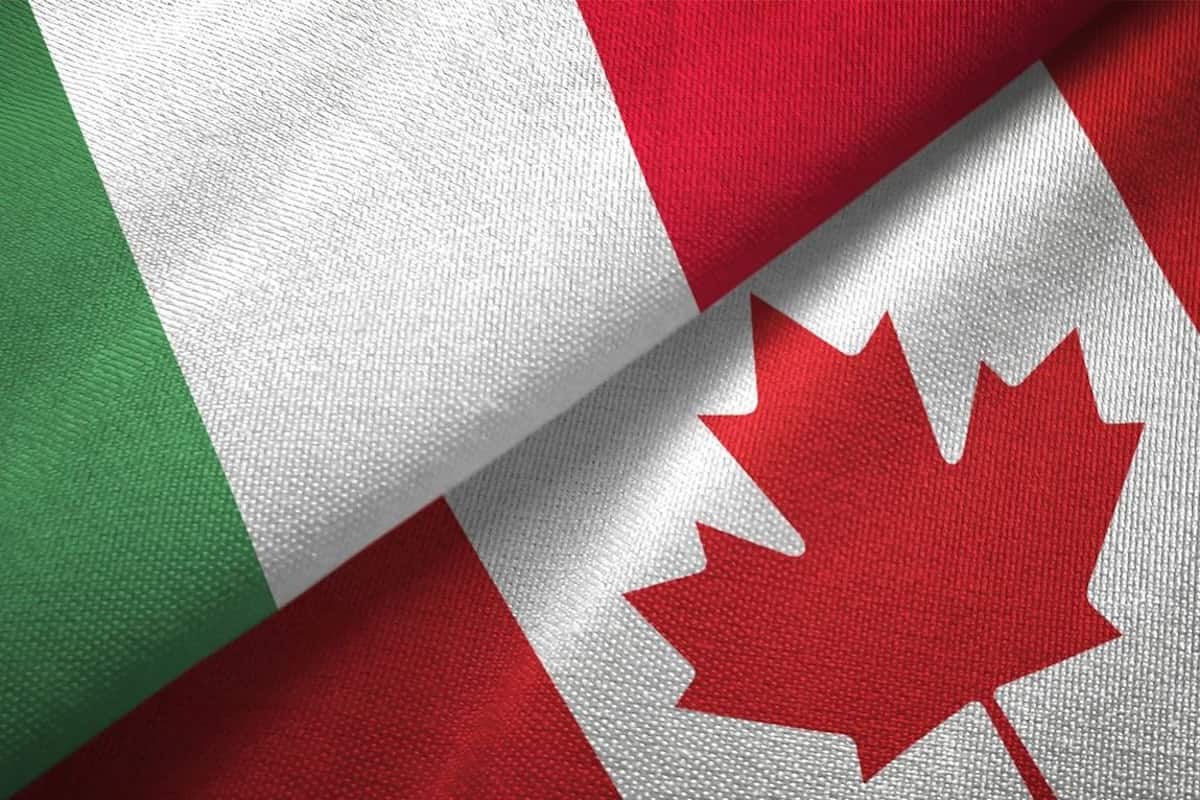
For Canada, the implications are both economic and cultural. More citizens abroad could mean stronger global ties, but also added pressure on services if people relocate. For residents here, it raises practical questions: longer processing times, potential policy tweaks, and shifting demographics.
Here’s the thing—citizenship isn’t just a passport. It’s access. Healthcare, education, and mobility all come into play. And when eligibility expands, so do expectations.
The Road Ahead
Expect more adjustments. Legal challenges are still ongoing, and policymakers may refine the rules further as applications pile up.
If you’re following this closely, timing matters. Early applicants may avoid the worst of the backlog, while others could face longer waits as demand continues to climb.
FAQ
Who qualifies under the new Canadian citizenship rules?
People with Canadian parents or grandparents, including those previously excluded by generational limits, may now be eligible.
How long does the application process take?
Processing times are currently approaching 10 months due to increased demand.
Why are so many Americans applying?
Millions may now qualify through ancestry, and many see Canadian citizenship as a backup option.
Has Canada changed its citizenship policy before?
Yes, rules have evolved over time, but this is one of the more significant expansions in recent years.
Does this affect people already living in Canada?
Indirectly—processing delays and policy updates could impact immigration timelines and services.