
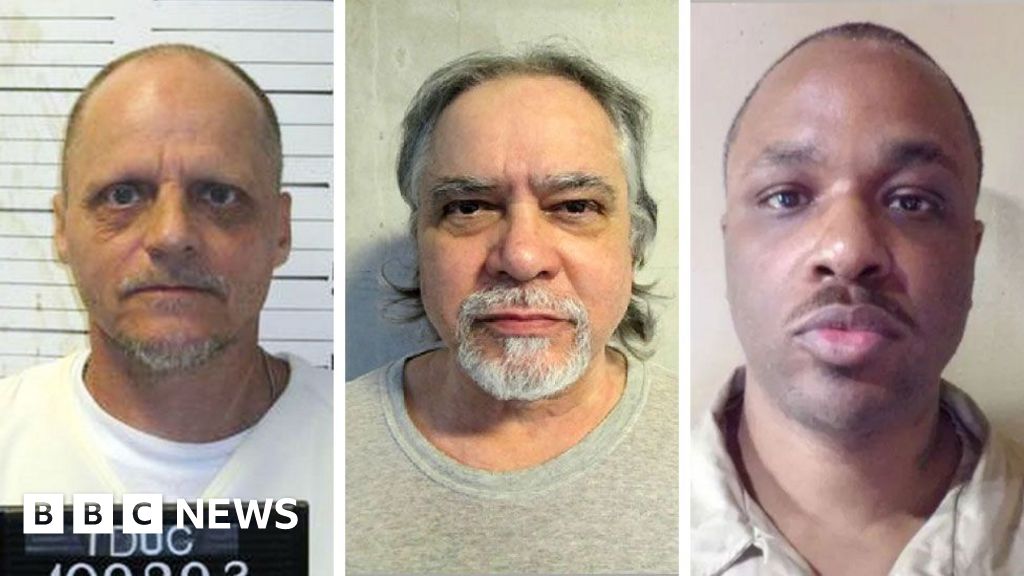
For the first time in 16 years, three convicted murderers were put to death in the United States on a single day. The lethal injections of Jeremy Williams in Alabama, Carlos Cuesta-Rodriguez in Oklahoma, and Anthony Darrell Hines in Tennessee marked a rare single-day surge that comes amid a broader national resurgence in capital punishment. While state officials noted the simultaneous scheduling was a coincidence, the executions highlight the growing divide in how the death penalty is enforced across state lines.
The Story at a Glance
The three executions took place on Thursday across three separate state penitentiaries. Carlos Cuesta-Rodriguez, 70, was pronounced dead at 10:13 a.m. CT at the Oklahoma State Penitentiary in McAlester. Exactly 30 minutes later, at 10:43 a.m. CT, Tennessee officials executed 66-year-old Anthony Darrell Hines. Hours later, at 6:16 p.m. CT, Alabama carried out the lethal injection of 42-year-old Jeremy Williams at William C. Holman Correctional Facility in Atmore.
The last time three executions were carried out in the United States on the same day was on January 7, 2010, when Louisiana, Ohio, and Texas administered lethal injections. Thursday's proceedings brought the total number of US executions in 2026 to 22, with nearly a dozen more scheduled before the year ends.
How the Story Developed
The sequence of executions began in Oklahoma on Thursday morning. Cuesta-Rodriguez, who fatally shot his girlfriend Olimpia Fisher in 2003, had previously asked the state parole board to deny him clemency, stating he deserved to pay for his crime. During the procedure, he mouthed 'I love you' to two visiting relatives before succumbing to the lethal injection.
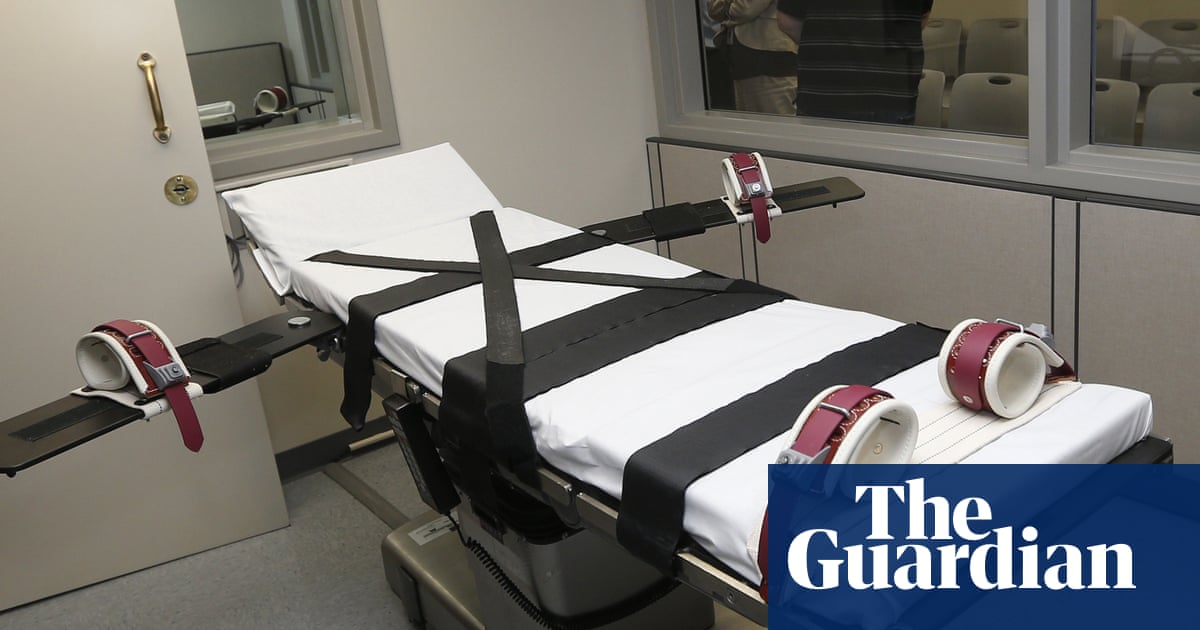
Thirty minutes later in Tennessee, Hines was executed for the 1985 stabbing murder of Catherine Jean Jenkins, a 54-year-old motel maid. Hines' execution had faced legal scrutiny due to concerns over lethal injection protocols following a failed attempt on another death row inmate in May. Hines asked his spiritual adviser how much time he had before groaning and drawing heavy breaths as prayers were said over him.
The day concluded in Alabama with the execution of Williams, who was sentenced to death for the 2021 rape and murder of 5-year-old Kamarie Holland. Unlike most death row prisoners whose appeals take decades, Williams waived his right to jury sentencing, presented no mitigating defense, and actively petitioned the state attorney general for an immediate execution date to bring closure to the victim's family.
Key People and Details
Several central figures and state officials shaped Thursday's judicial actions across the three jurisdictions:
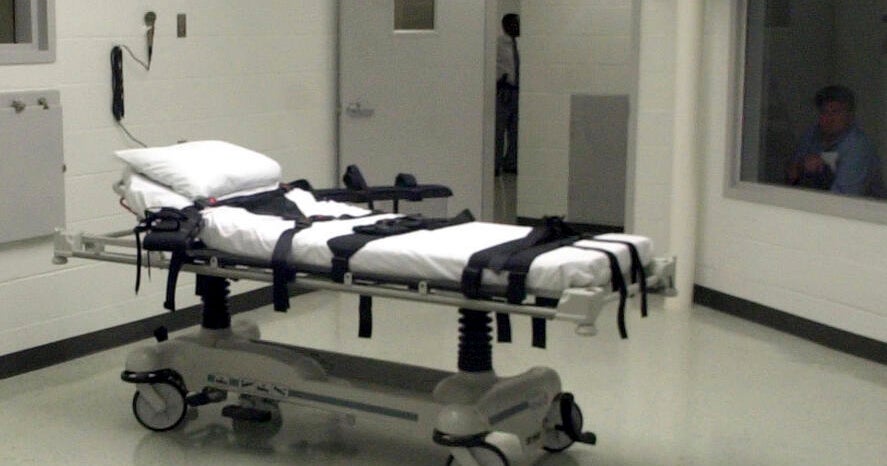
- Jeremy Williams: Executed in Alabama after pleading guilty to capital murder and asking not to fight his sentence. Williams had offered the victim's mother $2,500 before abducting and killing the child. The child's mother is serving a 20-year prison sentence for sex trafficking.
- Anthony Darrell Hines: Put to death in Tennessee after 40 years on death row. Hines reconnected with his son just four days before the execution after not seeing him since age three.
- Carlos Cuesta-Rodriguez: Put to death in Oklahoma as the state's third execution of 2026 and the 20th under Governor Kevin Stitt.
- Ron DeSantis: Governor of Florida, which remains the leading state in US executions, conducting 19 executions in 2025 and 12 in 2026.
Reaction and Response
The executions prompted emotional statements from victims' families, legal counsel, and state authorities. In Alabama, Russell County District Attorney Richard Chancey condemned Williams' crimes following the execution:
To see on video what he did to this baby, what a grown man could do to a child, it’s shocking, it’s horrible, it’s disgusting. It’s just a level of evil.
Alabama Governor Kay Ivey emphasized that capital punishment was warranted for heinous offenses, stating that the nature of the crime justified the statute. In Tennessee, Dennis Jenkins, the son of victim Catherine Jean Jenkins, recalled his mother having only a plastic spray bottle to defend herself during the 1985 attack.
Hines' attorney, Katherine Dix, criticized Tennessee's handling of the execution, noting her client was blind, paralyzed on his left side, and in constant physical pain before being placed on the gurney.
What to Watch
While the execution pace has risen, public support and jury sentencing patterns show a contrasting trend. According to Gallup polling, 52% of Americans consider the death penalty morally acceptable, marking the lowest level of support since the 1970s. Furthermore, American juries issued only 23 death sentences in 2025, down from over 300 annually during the 1990s.
Legal challenges surrounding execution methods also remain active. In Alabama, execution by nitrogen hypoxia was blocked in June when a federal judge ruled the procedure unconstitutional, forcing the state back to lethal injection. Observers are monitoring whether pharmaceutical supply shortages and legal scrutiny over protocol execution will impact the remaining executions scheduled across the United States this year.
Frequently Asked Questions
- Why were three people executed on the same day in the US?
- The execution of three inmates on Thursday across Oklahoma, Tennessee, and Alabama was a scheduling coincidence, though it reflects an overall increase in executions carried out by several states.
- When was the last triple execution in the United States?
- The last time three people were put to death on a single day in the US was January 7, 2010, across Louisiana, Ohio, and Texas.
- Why was Jeremy Williams executed so quickly compared to other death row inmates?
- Jeremy Williams pleaded guilty to the 2021 murder of Kamarie Holland, waived his rights to present mitigating evidence, declined all appeals, and formally petitioned state prosecutors to carry out his sentence swiftly.
- What execution method was used for all three inmates?
- All three executions in Oklahoma, Tennessee, and Alabama were carried out via lethal injection.