
More than 40 million pages of presidential material are typically transferred to the National Archives after each administration — a system built after Watergate to prevent secrecy. Now, a new Justice Department position is challenging that long-standing practice, raising urgent questions about what happens to those records next. If you're following this, you’ll know it’s not just legal theory — it could redefine how history itself is preserved.
At the heart of it: whether a president can keep, control, or even dispose of documents created while in office. The answer used to be straightforward. Not anymore.
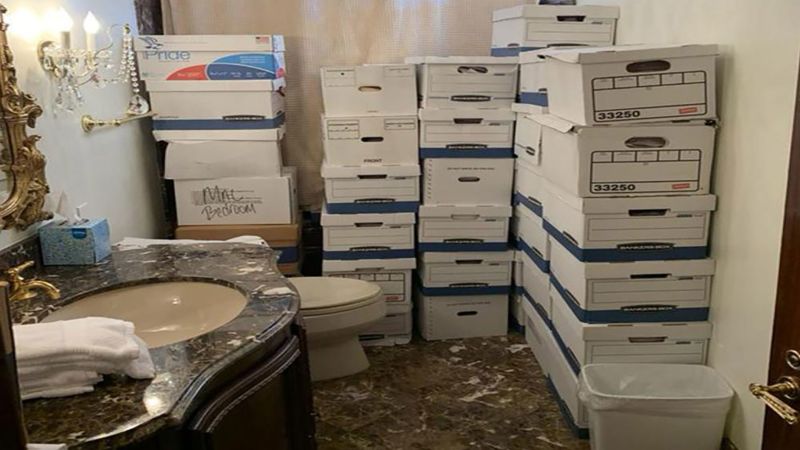
The Bottom Line
- The Justice Department signaled that a president may not be required to hand over certain records after leaving office.
- A lawsuit is now challenging a memo that questions the constitutionality of the Presidential Records Act.
- Advocacy groups warn records could be withheld or destroyed under this interpretation.
- The law was originally strengthened after Watergate to ensure transparency and public access.
- The outcome could reshape how future administrations handle official documents.
Breaking It Down
The Presidential Records Act (a post-1978 law requiring official White House records to be preserved and transferred to the National Archives) has long been treated as a cornerstone of accountability. It was designed in response to President Richard Nixon’s attempt to control his records — a moment that pushed lawmakers to ensure public ownership of presidential materials.
But in recent days, that framework has come under pressure. A Justice Department memo has suggested that aspects of the law may not be enforceable against a sitting or former president. That interpretation — if it holds — would mark a sharp break from decades of practice.
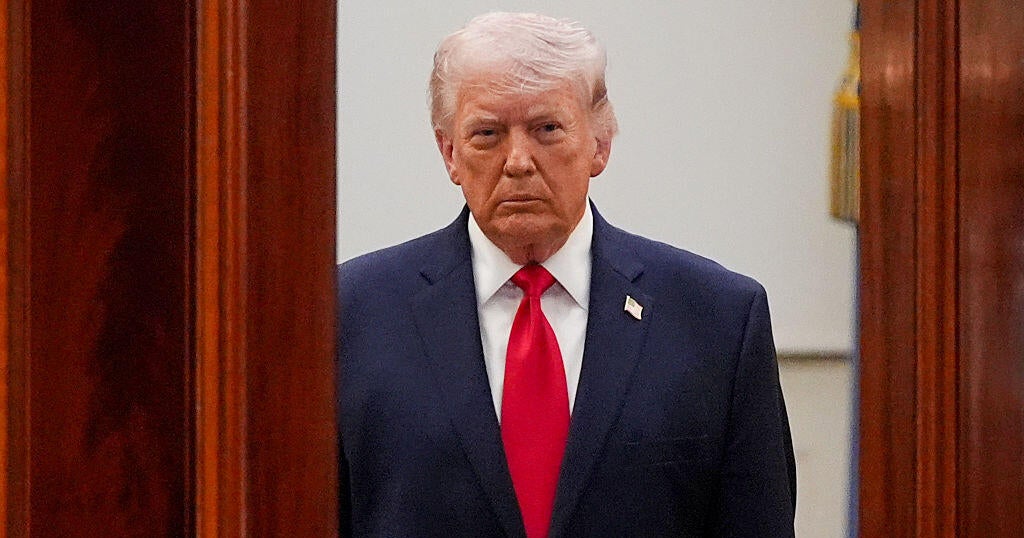
That’s where things escalate. A lawsuit filed in response argues the memo effectively guts the law, making it optional rather than mandatory. Critics say it opens the door for future presidents to decide, on their own terms, what counts as a public record.
Meanwhile, advocacy organizations have raised alarms. Some warn that under this interpretation, records could be withheld indefinitely — or worse, destroyed before ever reaching public archives. Here’s the thing: once records are gone, they’re gone. There’s no redo for history.
And then there’s the broader context. This debate isn’t happening in a vacuum. It builds on years of disputes over classified documents, executive privilege (a president’s right to withhold certain information), and the limits of federal oversight.
Why This Matters
For Canadians watching from across the border, this might feel like distant political drama. But the implications run deeper. Canada’s own federal system relies heavily on documented decision-making and archival transparency. A shift in U.S. norms — especially around executive accountability — often ripples outward.
Think about trade negotiations, cross-border security agreements, even environmental commitments. If record-keeping standards weaken in Washington, it becomes harder to track how decisions were made — and whether commitments were upheld. As the saying goes, the devil’s in the details — and those details live in documents.

There’s also a public trust angle. Citizens — whether in the U.S. or Canada — expect that leaders operate within systems that preserve transparency. When those systems shift, even subtly, it can erode confidence. And rebuilding that trust? That’s a long road.
What Comes Next
The legal challenge to the Justice Department memo is expected to move through the courts in the coming months. Judges will likely weigh not just statutory language, but decades of precedent — including the post-Watergate reforms that shaped the current law.
In the meantime, policymakers and watchdog groups are pushing for clarity. Some are calling for Congress to step in and reinforce the law explicitly. Others argue the courts must settle the issue once and for all. Either way, the next chapter will be decisive.
FAQ
What is the Presidential Records Act?
It’s a U.S. law passed in 1978 requiring that official presidential documents be preserved and transferred to the National Archives. It ensures public ownership of records created during a presidency.
Why is the law being challenged now?
A Justice Department memo questioned whether parts of the law are enforceable, prompting a lawsuit. Critics argue this interpretation weakens the requirement to preserve records.
Could a president really keep or destroy records?
Under the disputed interpretation, there’s concern that presidents could have greater control over what happens to documents. However, the courts will ultimately decide how far that authority extends.
How does this affect people outside the U.S.?
Countries like Canada rely on transparent U.S. decision-making for diplomacy and trade. Changes to record-keeping could make it harder to understand policy decisions that affect cross-border relations.
What happens if records are lost?
Lost or destroyed records mean gaps in historical and legal accountability. Investigations, academic research, and public understanding all depend on access to complete archives.
When will there be a final decision?
The timeline depends on the courts, but major rulings could take months or longer. Appeals may extend the process further before a definitive outcome is reached.