
Canadians should pay attention because a legal fight over journalists, confidential sources and national security in the United States can influence how governments across democracies handle sensitive reporting. Four New York Times journalists have been ordered to appear before a federal grand jury in Manhattan after reporting on security concerns involving President Donald Trump’s new Air Force One. The newspaper says it will challenge the subpoenas, while the U.S. Justice Department says its investigation is aimed at people who disclose classified information, not at reporters.
Context & Background
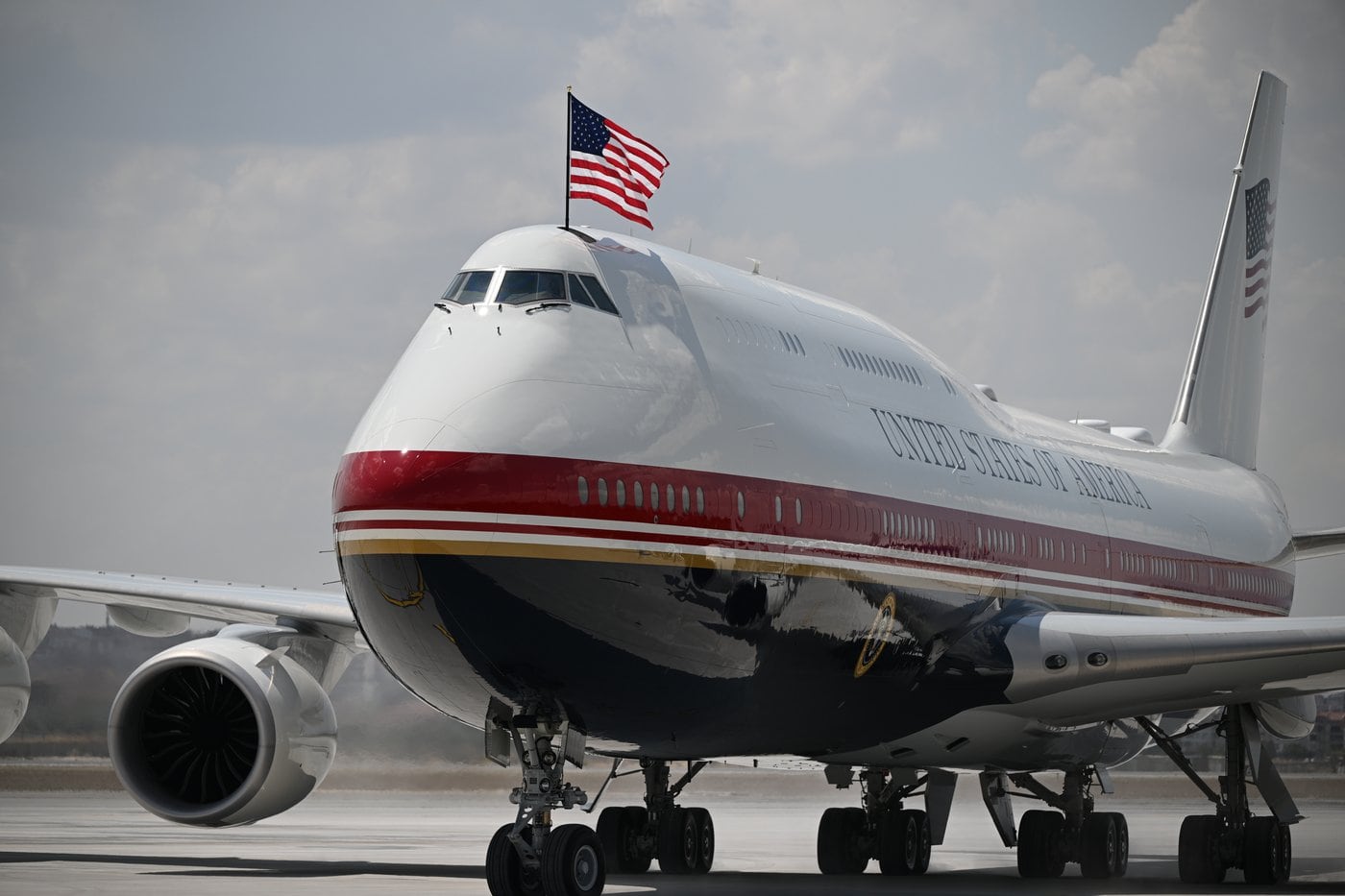
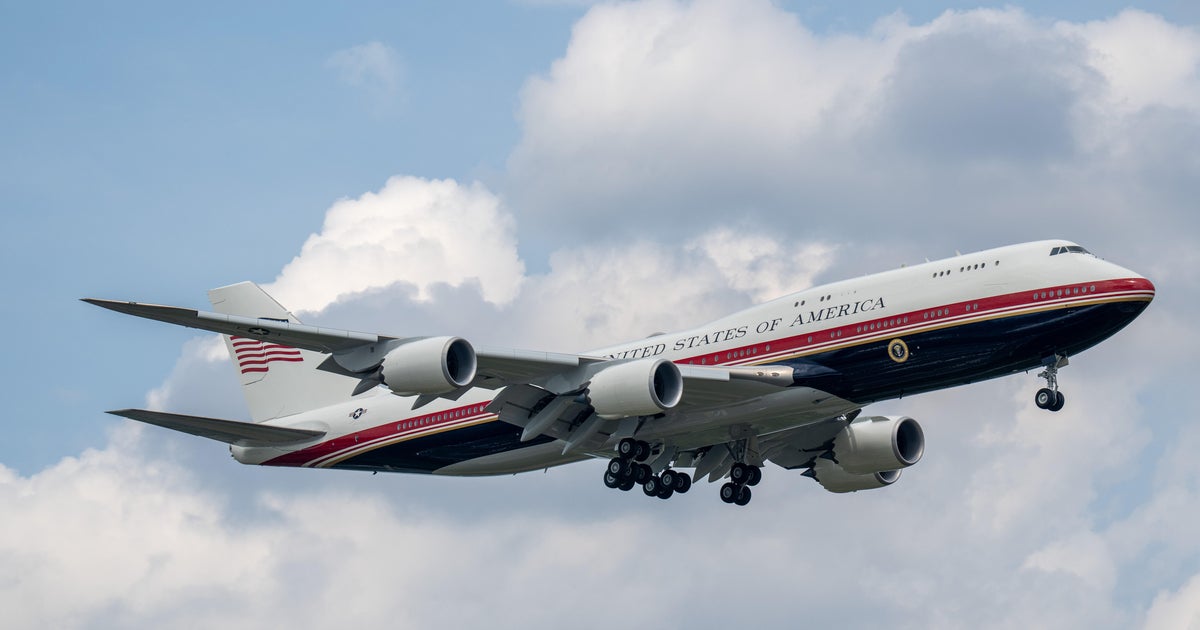
The dispute began after the Times reported that Trump left Turkey aboard an older Air Force One following concerns about the newer aircraft. The new Boeing 747-8 was donated by Qatar and was hurried into presidential service after a Pentagon retrofit. Multiple reports said the aircraft lacked some advanced features available on the older presidential planes, including antimissile capabilities.
The plane switch occurred during a period of heightened concern involving Iran. Trump flew from Turkey on an older aircraft, stopped at RAF Mildenhall in England and then transferred to the newer plane for the final trip to Joint Base Andrews. Trump said the stop allowed American service members to view the aircraft and denied that shortcomings in the plane’s security were the reason for the change.
- Subpoena
- A legal order requiring a person to provide testimony or evidence.
- Federal grand jury
- A panel that reviews evidence presented by prosecutors and can decide whether criminal charges should be issued.
- Confidential source
- A person who provides information to a journalist under an agreement that their identity will not be disclosed.
Here's What Happened
The subpoenas were issued to Julian E. Barnes, Eric Lipton, Tyler Pager and Eric Schmitt. They direct the journalists to testify before a federal grand jury in Manhattan on Wednesday concerning what the documents describe only as an alleged violation of federal criminal law.
According to the Times, federal agents delivered some of the subpoenas directly to the reporters’ homes. Before the original Air Force One story was published, a senior FBI official contacted the newspaper and asked it to withhold the report on national security grounds. The official reportedly did not explain the specific security concern and also sought information about the paper’s sources.

CNN reported that FBI Director Kash Patel met White House officials on Friday to discuss the investigation into disclosures about the plane. Patel also spoke by phone with Trump, according to a source cited by CNN. The Times said it would fight the court orders, setting up a legal dispute over whether prosecutors can compel journalists to provide testimony connected to reporting based on anonymous sources.
The aircraft itself remains part of the controversy. The White House says it is a state-of-the-art plane fitted with high-level security protocols. Former Air Force officials quoted in the reporting said the compressed retrofit schedule meant that some security, communications or support capabilities could be missing.
The Response
David McCraw, the Times’ top newsroom lawyer, described the subpoenas as an attempt to intimidate journalists and prevent the public from learning how the government operates.
The appearance of federal law enforcement agents on the doorstep of news reporters should shock the conscience of any American who believes in the Constitution and the press freedom it protects.
The Justice Department offered a different explanation. In a statement reported by The Independent, the department said reporters were not the targets and that investigators were focused on government personnel suspected of sharing classified national security information. Press freedom groups, including the National Press Club, the Reporters’ Committee for Freedom of the Press and the Freedom of the Press Foundation, called for the subpoenas to be withdrawn.
The Bigger Picture
The case brings two public interests into direct conflict: the government’s responsibility to protect classified information and the press’s ability to report on decisions involving public money, presidential security and government accountability. The new plane was described in several reports as a $400 million project, making questions about its capabilities more than a technical dispute.
For Canadian readers, the significance lies in the precedent such a case may create. Canadian media frequently report on intelligence, defence and cross-border security issues involving the United States. A successful attempt to force reporters to testify about confidential reporting could discourage sources from speaking and reduce the amount of verified information available to the public.
The dispute also follows recent Justice Department efforts to obtain testimony from journalists at The Washington Post and The Wall Street Journal. Those subpoenas were later withdrawn after the organizations challenged them, showing that the current Times case may be decided through a similar legal confrontation rather than immediate compliance.
The Road Ahead
The four reporters are scheduled to appear before the Manhattan grand jury on Wednesday, though the Times has said it will fight the orders. The precise alleged criminal violation and the information prosecutors want from each journalist have not been publicly detailed.
The next confirmed development will be the newspaper’s legal response and whether a court delays, narrows or enforces the subpoenas.
Frequently Asked Questions
Why were New York Times reporters subpoenaed?
The subpoenas followed reporting about security concerns involving the new Air Force One and Trump’s decision to leave Turkey on an older aircraft. Prosecutors described the matter only as an investigation into an alleged violation of federal criminal law.
Which New York Times journalists received subpoenas?
The reporters named in the coverage are Julian E. Barnes, Eric Lipton, Tyler Pager and Eric Schmitt. They were ordered to testify before a federal grand jury in Manhattan.
What were the reported security concerns about the new Air Force One?
Reports said the Qatari-gifted Boeing 747-8 lacked some advanced security features found on the older presidential aircraft, including antimissile capabilities. The White House said the plane had high-level security protocols and was safe for the president and staff.
Is the Justice Department investigating the journalists?
The Justice Department said reporters are not the targets of its investigation. It said the focus is on people entrusted with classified information who may have disclosed it to news organizations.
When are the reporters supposed to testify?
The subpoenas direct the journalists to appear before a federal grand jury in Manhattan on Wednesday. The Times has said it intends to challenge the orders.
Why does this matter to Canadians?
The case could affect press freedom standards and the protection of confidential sources in reporting on national security. Canadian journalists and audiences depend heavily on cross-border reporting about U.S. defence, intelligence and government decisions.