
Last updated: July 13, 2026, 3:42 p.m. EDT
What happened at Toronto’s Salsa on St. Clair festival?
Music and dancing gave way to screams as thousands of people ran for cover on St. Clair Avenue West. Gunfire erupted shortly after 8 p.m. Saturday near Arlington Avenue, killing Shaquan Quashie, 25, and Cesar Vernaza, 20. A later police update said five other people were struck and suffered non-life-threatening injuries, including bystanders. No arrests or suspect descriptions had been announced by Monday afternoon.
How Events Unfolded
Toronto police received the first calls at 8:12 p.m., while an estimated 13,000 people were attending the annual celebration of Latin American culture. One victim died at the scene and the second later died in hospital, according to the police identification update.
Officers initially warned of a possible active shooter and urged the public to avoid the area. Police later said the danger came from an exchange of gunfire involving people targeting one another, not a roaming gunman firing at random. Investigators recovered two firearms and secured three separate scenes connected to the shooting.
Early reports said four people were wounded, while a later police update said five people had been struck. All five had non-life-threatening injuries, and some were innocent bystanders.
The investigation shut down several blocks of St. Clair Avenue and forced organizers to cancel Sunday’s festival events. Businesses inside the police perimeter also lost trade because customers could not enter, according to reporting from the closed scene.
Under the Surface
The shooting has reopened a hard question: how much security can an open street festival carry without changing the event itself? In the emerging security debate, business owners called for measures ranging from earlier closing times to metal detectors and a different location. Yet an open route with shops, homes, side streets and alleys cannot be sealed like an arena.
York University emergency-management professor Jack Rozdilsky argued that venue design is not the root cause. His point was direct: tighter screening may reduce some risks, but moving or fencing a festival does not solve gun violence. That distinction matters as Toronto prepares for other summer gatherings, including Taste of the Danforth.
- Targeted shooting
- Police said the two men killed were targeted and knew one another.
- Active shooter warning
- The initial public warning, later withdrawn after police said this was not that kind of attack.
- Soft target
- An open event where airtight screening is difficult because streets, businesses, homes and alleys create many access points.
The festival had faced a firearm incident before. In July 2024, police arrested a man near the event after he struck someone with a loaded handgun and fired one shot. The current case killed two people and injured bystanders in a dense crowd.
Voices & Opinions
“The point is, the location is not the cause of the violence. Period.”
Mayor Olivia Chow said Toronto would not allow violent offenders to end the city’s outdoor-festival tradition. She also said she had spoken with federal Public Safety Minister Gary Anandasangaree and urged action with American leaders to curb the flow of illegal guns into Toronto.
“Street festivals are a vital part of Toronto’s vibrant culture.”
Demkiw said shootings in Toronto were down more than 26 per cent from the same point last year. He acknowledged that a shooting in a packed festival can damage confidence even when the broader number is falling.
Putting It in Perspective
Police statistics cited in the coverage recorded 130 shootings and firearm discharges in Toronto this year, with 49 people injured or killed by firearms. The festival attack was also one of three shootings across the city that weekend. The figures have pushed the discussion toward prevention, enforcement and festival design.
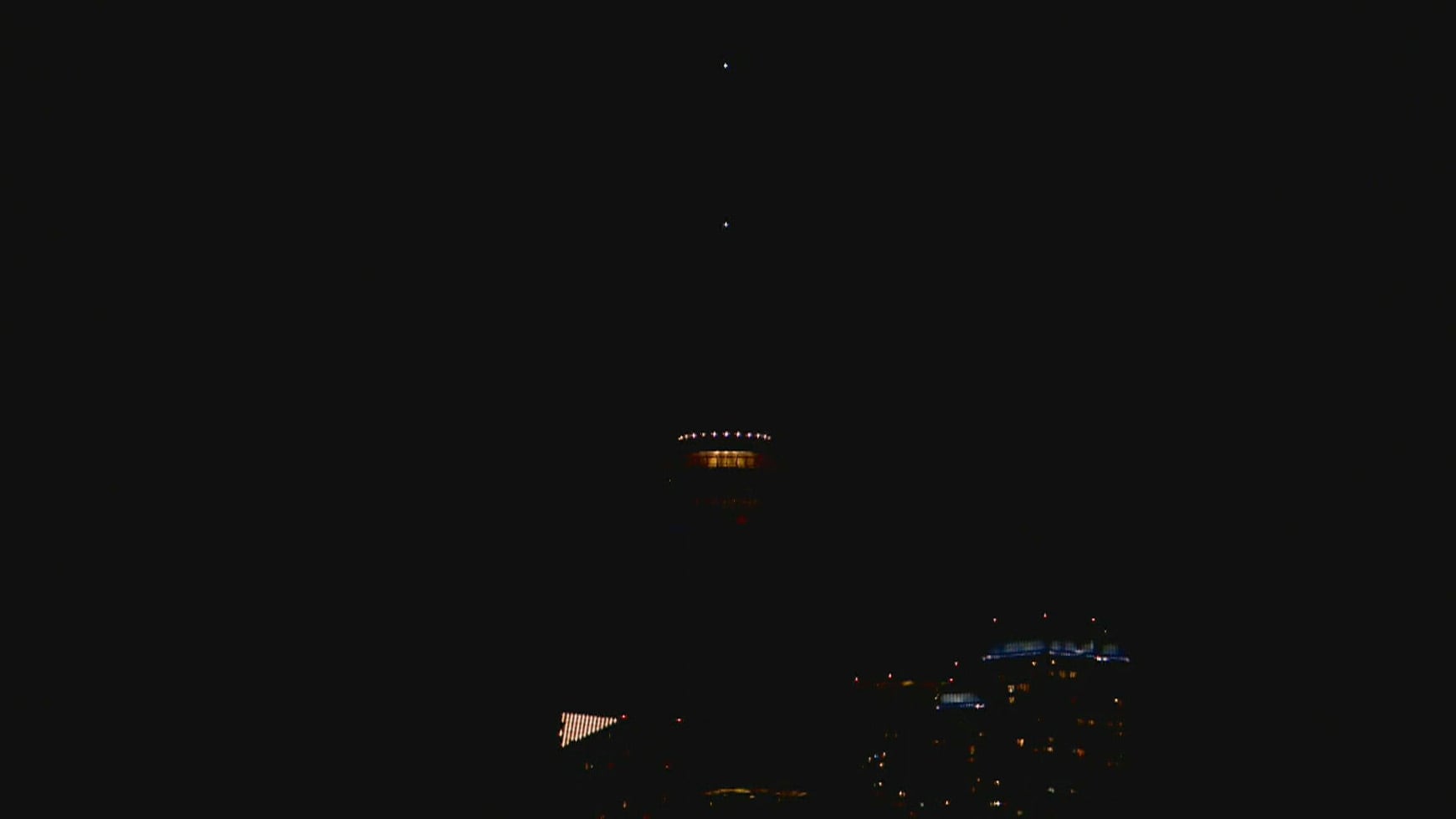
Families fled, businesses sheltered strangers, Sunday programming was cancelled and a major cultural celebration became a crime scene. The CN Tower dimmed its lights at the top of every hour in tribute.
For Canadians attending summer festivals, the case shows the limits of venue security. Officials are now considering the same measures raised by local businesses: different hours, a new location, tighter crowd management and stronger police or private-security plans.
Looking Ahead
Police are reviewing an exceptional volume of witness statements, images and video. Anyone who captured footage near St. Clair Avenue West and Arlington Avenue around 8:12 p.m. is being asked to contact Toronto police. Investigators have not released suspect information, and no arrests had been made in the latest updates.
The city, local councillors, festival organizers, residents and business owners are now reviewing possible changes to location, hours and crowd management. Police have said street festivals will continue to receive resources, while officials weigh how to preserve open public celebrations without ignoring the risks exposed by this shooting.
FAQ
Who was killed in the Salsa on St. Clair shooting?
Toronto police identified the victims as Shaquan Quashie, 25, and Cesar Vernaza, 20.
How many people were injured?
Later police updates said five people were struck and injured. CityNews reported that all five injuries were non-life-threatening.
Was this an active-shooter attack?
Police initially issued an active-shooter warning, then said the incident was an exchange of gunfire involving people targeting one another.
Have police made any arrests?
No arrests or suspect descriptions had been announced in the latest Monday updates.
Why was the festival cancelled on Sunday?
Police closed multiple blocks and preserved three scenes for investigation, preventing the festival and nearby businesses from operating normally.
What happens next?
Investigators are reviewing video and witness evidence, while city and festival officials consider changes to security, hours and crowd management.