
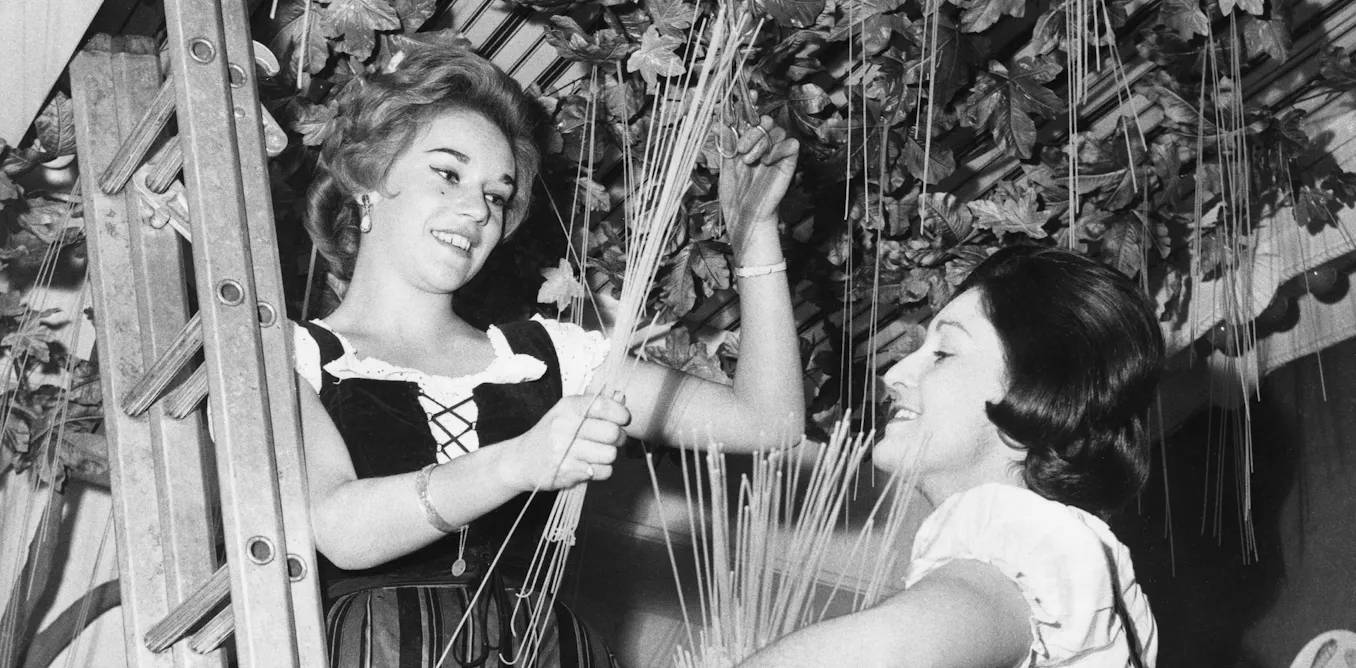
It was 1957 when the BBC convinced a significant portion of the British public that spaghetti actually grew on trees in Switzerland, leading hundreds to call in asking how to plant their own pasta bushes. While that remains the gold standard of media hoaxes, today's prank landscape looks a lot different. In an era where 'fake news' is a daily concern, the line between a harmless ribbing and a social media disaster has never been thinner.
The Bottom Line
- Historical Mystery: While often linked to France's 1564 calendar shift from the Julian to the Gregorian system, the day's true origin remains a subject of historical debate.
- Corporate Participation: Major brands like USA Today reported on 2026 stunts ranging from fake dog 'pee bags' to bizarre yogurt freebies.
- The Credibility Gap: Growing sensitivity toward misinformation is making many large-scale corporate pranks feel out of touch with modern audiences.
- Local Impact: In CA, the tradition remains a staple in schools and offices, though human resources departments are increasingly issuing 'read the room' guidelines.
Breaking It Down
The roots of April Fools’ are as slippery as a banana peel. One prevailing theory suggests it started when France moved New Year's Day from the end of March to January 1st. Those who were slow to get the news and continued to celebrate in the spring were mocked as 'April Fools.' It's a classic case of the 'in-crowd' punching down, a dynamic that has defined the holiday for centuries. Over time, this evolved into the 'Poisson d’Avril' (April Fish) in France, where children would pin paper fish to the backs of unsuspecting friends.

Fast forward to the 20th century, and the scale shifted from schoolyards to the airwaves. We've seen everything from the 'Spaghetti Harvest' to Taco Bell claiming they bought the Liberty Bell. But here's the thing: the 'glory days' of massive media gags might be behind us. In 2026, we're seeing a shift toward smaller, more personal 'gentle joys' of befooling rather than massive institutional hoaxes that can easily be mistaken for genuine misinformation.
There is a gentle joy in being befooled, provided the prank is rooted in affection rather than malice.
What's interesting is how brands are pivotting. This year, we saw a mix of the absurd and the practical. While some companies went for the 'shock factor' with products like fake dog waste accessories, others used the day as a clever marketing hook to give away actual freebies, blending the prank with real-world value. It's a survival tactic in a world where consumers are increasingly skeptical of everything they see on a screen.
Why This Matters
For us in CA, April Fools' Day isn't just about the jokes; it's a barometer of our social climate. When times are tough, a poorly timed prank can feel like a slap in the face. Many cultural critics are urging people to 'read the room' this year. If you're following the national discourse, you'll notice a growing fatigue with 'fake news'—even the funny kind. The stakes are higher now; a joke that goes viral for the wrong reasons can cause genuine panic or financial ripples.
However, there's still a place for the tradition if it stays local and light-hearted. Laughter is the best medicine, but only if the patient is in on the joke. The transition from institutional hoaxes to interpersonal 'micro-pranks' reflects a desire for more authentic, human connections. It’s less about tricking the masses and more about sharing a wink with a neighbor or a colleague.
What Comes Next
As we move past the April 1st deadline, expect a 'post-mortem' from marketing analysts on which brands successfully walked the tightrope and which fell into the 'cringe' abyss. April 2nd usually brings the reveal of which 'too-good-to-be-true' products were actually clever stealth-launches for real items. Moving forward, the trend suggests a move toward 'Wholesome Fools,' where the end result of the prank is a positive surprise or a charitable donation rather than just a moment of confusion.
Frequently Asked Questions
Why do we celebrate April Fools' Day on April 1st?
The most common theory points to the 16th-century calendar reform in France, where those who celebrated the New Year in April instead of January were dubbed 'fools.'
Are corporate April Fools' pranks becoming less popular?
Yes, many experts suggest that the rise of 'fake news' and digital misinformation has made large companies more cautious about potentially misleading the public, even for a joke.
What was the most famous April Fools' prank in history?
The 1957 BBC 'Spaghetti Trees' broadcast is widely considered the greatest of all time, as it successfully convinced thousands of viewers that pasta grew on plants.
Is it still okay to prank people at work in CA?
While generally accepted, many HR departments recommend 'reading the room' and ensuring pranks are inclusive, safe, and do not target sensitive personal topics.