
Six days. That's how long veteran guide Dawa Sherpa was missing high on Mount Everest before an outcome few thought possible unfolded. As search efforts stretched on and funeral rites reportedly began back home, the experienced climber was found alive and making his way back toward base camp. For mountaineers, rescuers and families following the story, the survival tale has quickly become one of the most remarkable Everest incidents in recent years.
The Bottom Line
- Dawa Sherpa disappeared on Mount Everest and was missing for six days.
- Rescuers and fellow climbers feared the worst as time passed.
- He was eventually found alive while making his way back toward base camp.
- The discovery came after reports that funeral preparations had already begun.
- The rescue has renewed attention on safety and decision-making during Everest expeditions.
Breaking It Down
The story began during the busy Everest climbing season, when hundreds of climbers and support staff move through the mountain's network of camps. Dawa Sherpa, an experienced guide trusted with helping climbers navigate one of the world's harshest environments, went missing during operations on the mountain. As hours turned into days, hopes naturally faded.
Search teams faced the same obstacles Everest is famous for: extreme altitude, freezing temperatures, unpredictable weather and terrain that can become deadly within minutes. Every rescue attempt at these elevations carries risks for rescuers themselves. That's part of what made the prolonged search so difficult.

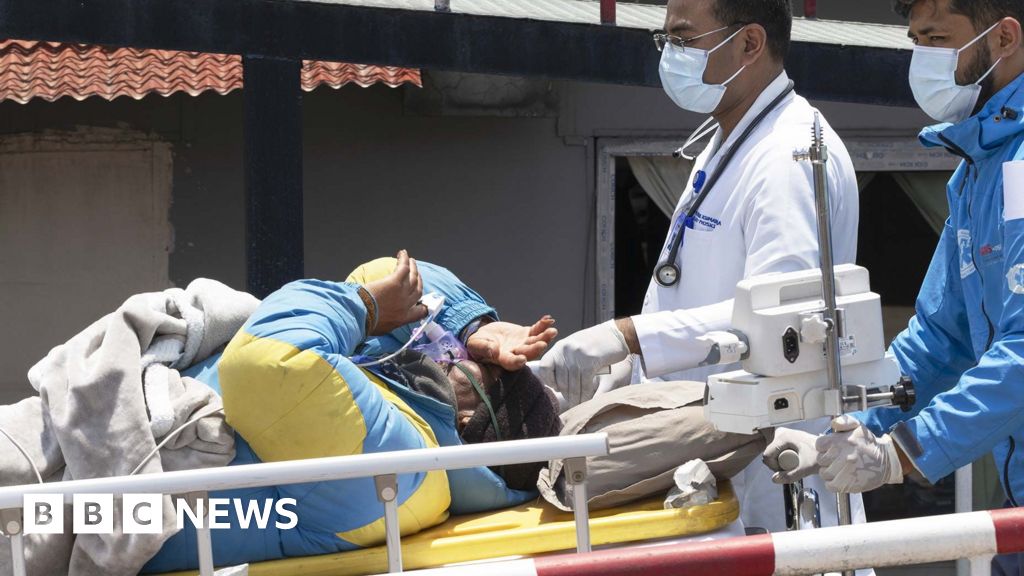
Then came the breakthrough. Reports indicated Dawa Sherpa was discovered alive and moving back toward base camp, reportedly crawling during part of his journey. The image of a climber surviving nearly a week in such conditions immediately captured global attention. One rescuer described the outcome as extraordinary, reflecting just how unusual survival becomes after such a long period in Everest's so-called death zone and surrounding high-altitude areas.
What's interesting is that the story shifted almost instantly from a missing-person search to a survival case study. Questions emerged about how he managed to endure, what resources he had available and whether future expeditions can learn from the incident. Those answers may take time, but the immediate result was clear: a guide many feared lost was alive.
Why This Matters
Everest has always been a place where achievement and danger travel side by side. Modern technology, improved forecasting and commercial expeditions have increased access to the mountain, yet nature still sets the rules. Dawa Sherpa's survival serves as a reminder that even experienced professionals can face life-threatening situations without warning.
For Canadians following international adventure and climbing news, the story resonates because Canadian climbers regularly join Himalayan expeditions. Families, guides and expedition operators across the country pay close attention to incidents like this. They influence planning, insurance decisions, emergency preparedness and the way teams approach risk at extreme altitude.

There's also a broader human element here. Sherpas are often the backbone of Everest expeditions, carrying loads, fixing routes and guiding climbers through dangerous sections. Their work makes many summit attempts possible. Stories like this highlight not only the risks they face but also the resilience they bring to the mountain. As Canadians might say, that's no small feat. In fact, many would call it a case of someone beating incredibly long odds.
What Comes Next
The immediate focus is expected to remain on Dawa Sherpa's recovery and medical condition. Surviving prolonged exposure at extreme altitude can leave lasting physical effects, even when the rescue ends successfully.
Expedition organizers, climbing experts and safety observers will likely examine the circumstances surrounding his disappearance and survival. If you're following mountain safety issues, those findings may shape future Everest operations for seasons to come.
FAQ
Who is Dawa Sherpa?
Dawa Sherpa is an experienced Everest guide who was reported missing before being found alive after six days.
How long was Dawa Sherpa missing?
He was missing for approximately six days on Mount Everest.
Where was he found?
Reports said he was discovered while making his way back toward Everest base camp.
Why is this rescue considered unusual?
Survival chances decrease rapidly after several days in Everest's extreme high-altitude conditions.
How could this affect future expeditions?
The incident may influence safety reviews, rescue planning and risk management practices on Everest.