

Across Canada, communities are gathering this weekend to mark a milestone anniversary of celebration, resilience, and cultural reclamation. National Indigenous Peoples Day officially takes place on Sunday, June 21, 2026, marking exactly 30 years since the day was first proclaimed in 1996 by former Governor General Roméo LeBlanc.
The Full Story
What started three decades ago as a national proclamation has grown into a massive coast-to-coast showcase of First Nations, Inuit, and Métis cultures. This year's celebrations carry an even deeper historical weight in places like Saskatchewan, matching up with the 150th Anniversary of Treaty 6, which was originally entered into by First Nations and the Crown back in 1876.
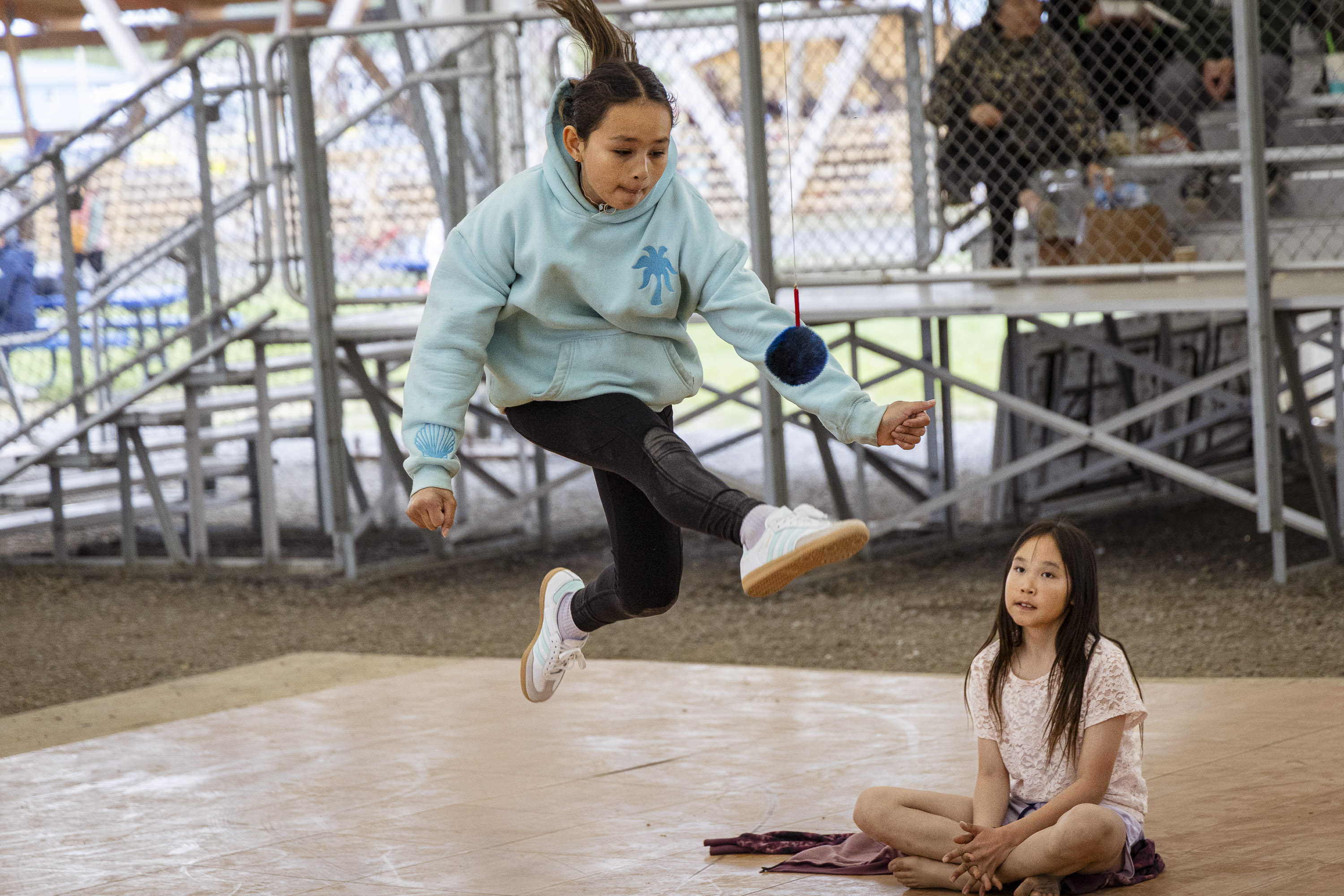
The weekend's festivities kicked off early with massive events in major cities and small towns alike. In Regina, crowds filled Victoria Park on Friday to take in Métis jigging, drumming, powwow dancing, and Inuit games. Meanwhile, Saskatoon marked the 10th anniversary of the Rock Your Roots Walk for Reconciliation, drawing hundreds of students and local families who filled the streets in traditional regalia and orange clothing.

The celebrations are hitting the water too, leaning into traditions from back when local waterways served as the primary roads between communities. Over on the West Coast, a formal canoe landing protocol practice was held at the shore of Esquimalt Lagoon in Colwood, B.C., to welcome participants for the Swutth’tus Canoe Challenge. Similar competitive canoe races, community barbecues, and hand games are rolling out across the Northwest Territories, from Yellowknife down to Fort Simpson.
Key Figures
- Lorna Standingready: An Elder from Peepeekisis First Nation who attended the Regina celebrations to share her culture and language.
- Sid Fiddler: A residential school survivor from Waterhen First Nation who attended the Saskatoon walk.
- Harry Lafond: A survivor of the St. Michael's Indian Residential School in Duck Lake who spoke on the importance of youth education.
- Bradley Dick (Yuxwelupton Qwal’ qaxala): An artist and Lekwungen Cultural Facilitator who led the canoe protocols at Royal Roads University alongside his father, Butch Dick.
- Edward Lennie: A late Indigenous athlete and sports champion who is being honored by Canada Post with a commemorative stamp collection in Inuvik.
Facts & Figures
- 30 years: The time passed since National Indigenous Peoples Day was first established in 1996.
- 150 years: The historic milestone anniversary of the signing of Treaty 6 celebrated this year.
- 10 years: The anniversary of the Rock Your Roots Walk for Reconciliation in Saskatoon.
- 5:30 a.m.: The early start time for the public sunrise ceremony on the front lawn of the Ronald A. Irwin Civic Centre in Sault Ste. Marie.
What This Means
For survivors of Canada's residential school system, seeing thousands of young people freely celebrating Indigenous language and regalia is incredibly moving. For decades, traditional ceremonies and languages were forbidden and hidden. Elders note that seeing local schools build these celebrations directly into their programs provides immense hope for true reconciliation.
I'm part of history where we had to hide our ceremonies and our way of talking, our language. We were forbidden because I was in residential school. And today is a wonderful day. It brings tears to me, tears of what we came through. And yet they turn into joy that our way of life, our culture is being passed down.
Down at the Victoria Park gathering, local students like Aurelia Lewis and Harper Molleken shared how meaningful it was to experience the vibrant colors, energetic live music, and traditional foods like fresh bannock, highlighting how these public events help younger generations connect directly with history.
- Bannock
- A traditional, flat quick bread popular among many Indigenous cultures across North America.
- Regalia
- The traditional and sacred clothing, accessories, and ornaments worn by Indigenous individuals during ceremonies and powwows.
What to Expect
The celebrations run all through the weekend, specifically peaking on Sunday, June 21, to align with the summer solstice. In Yellowknife, a formal ceremony will officially rename Franklin Avenue to Wıìlıìdeh Avenue on Sunday, complete with a traditional drum dance and sign unveiling. In Winnipeg, a massive 11-day block of free cultural programming is scheduled to launch at The Forks starting Sunday morning with a sacred fire ceremony.
Frequently Asked Questions
When is National Indigenous Peoples Day celebrated?
It is celebrated every year on June 21, which coincides with the summer solstice, the longest day of the year.How old is National Indigenous Peoples Day in Canada?
The year 2026 marks the 30th anniversary of the celebration, which was first proclaimed back in 1996 by former Governor General Roméo LeBlanc.
What activities take place during the celebrations?
Events across Canada include traditional sunrise ceremonies, sacred fires, community barbecues, powwow drum and dance displays, canoe races, bannock baking contests, and cultural workshops.
What historical milestone is tied to the 2026 celebrations?
This year marks the 150th Anniversary of Treaty 6, an agreement entered into by First Nations and the Crown in 1876.
Who are the three distinct Indigenous groups recognized on this day?
The day honors and celebrates the distinct cultures, languages, and heritages of First Nations, Inuit, and Métis peoples in Canada.