
Last updated: May 28, 2026
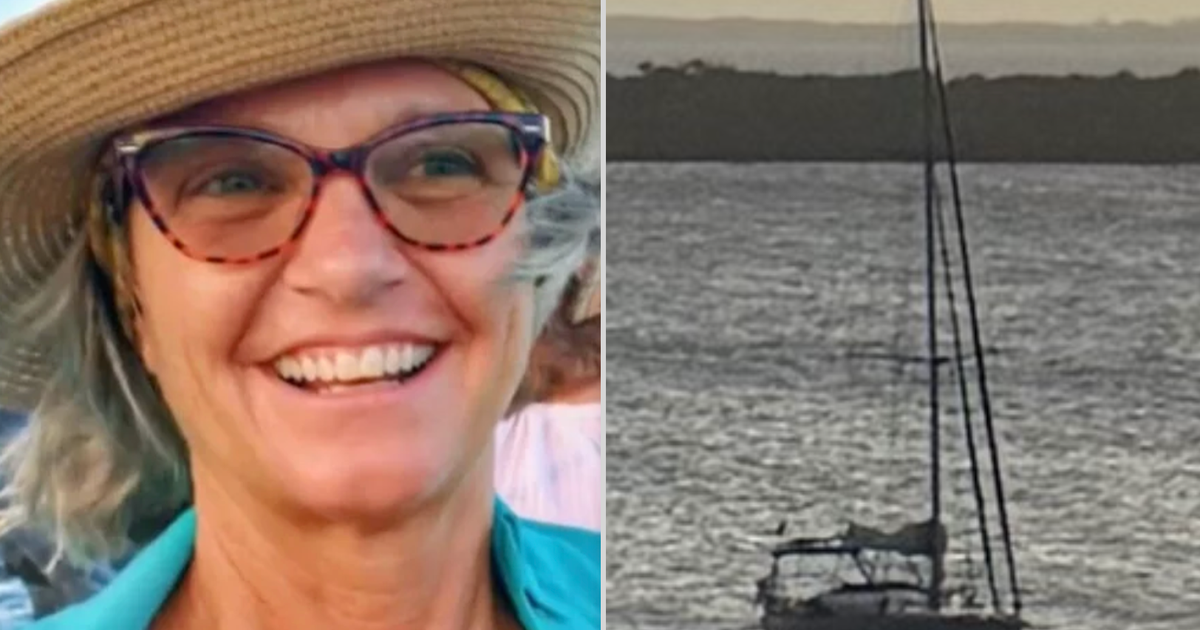
More than six weeks after Michigan resident Lynette Hooker vanished during a sailing trip in the Bahamas, investigators are now focusing on fresh GPS evidence that could reshape the entire case. Federal officials say newly reviewed location data appears to conflict with earlier statements about where the couple’s boat traveled before she disappeared.
The new search effort could send divers into waters roughly 25 feet deep near the Bahamas, with U.S. officials seeking local approval to expand operations. For families following the case in Canada and across North America, the story has turned from a troubling disappearance into a high-stakes international investigation.
And honestly? The latest twist has people asking whether the original timeline ever made sense at all.
The Bottom Line
- Lynette Hooker, a Michigan woman, disappeared during a Bahamas sailing trip earlier this spring.
- Investigators say GPS records may contradict husband Brian Hooker’s account of the boat’s movements.
- U.S. officials are preparing a renewed underwater search in Bahamian waters.
- Authorities are examining a reported 11-hour gap in sailboat tracking data.
- The case is drawing growing international attention as questions around the timeline intensify.
Breaking It Down
According to investigators, the renewed search effort began after analysts reviewed digital tracking records connected to the couple’s boat and personal devices. Officials reportedly found inconsistencies between those records and earlier descriptions of where the vessel traveled before Lynette Hooker vanished.
One detail getting particular attention is an extended outage in sailboat tracking data. Reports indicate the vessel’s monitoring signal went dark for roughly 11 hours during the critical overnight period surrounding her disappearance. If you have followed maritime cases before, you know that sort of communication gap immediately becomes a major investigative focus.
Meanwhile, U.S. Coast Guard officials are coordinating with Bahamian authorities to deploy divers into a new search zone. The waters being examined are reportedly about 25 feet deep — shallow enough for targeted recovery operations, but still challenging because of currents and underwater visibility.

What is making this case especially gripping is how digital evidence keeps reshaping the investigation. GPS logs, marine tracking systems and mobile-device records are now central pieces of the puzzle. In many modern missing-person cases, investigators increasingly rely on those digital footprints when witness accounts become difficult to verify.
There is also growing scrutiny around how quickly the original search unfolded and whether key areas were overlooked during the first response phase. Families following the story online have compared it to other high-profile travel disappearance cases where new technology later exposed gaps in initial timelines. The devil’s in the details, as investigators like to say.
Why This Matters
For Canadian travelers who regularly vacation in the Caribbean, the story lands close to home. The Bahamas remains one of the region’s busiest boating and cruise destinations, especially for North American tourists escaping colder weather. Cases involving disappearances abroad naturally raise questions about maritime safety, emergency response coordination and how quickly authorities can act across international jurisdictions.
What is also striking is the broader role technology now plays in criminal and missing-person investigations. Twenty years ago, investigators may have relied mostly on witness statements. Today, location pings, satellite tracking and digital movement records can quietly build a second version of events.
And here is the thing: stories like this tend to evolve quickly once digital evidence enters public discussion. Public attention intensifies. Pressure builds on investigators. New witnesses sometimes emerge. That does not automatically mean criminal charges are coming, but it often changes the direction and urgency of a case.
For families watching from Canada, especially those with loved ones traveling internationally this summer, the case is another reminder that overseas disappearances can become legally and logistically complex almost overnight. When the tide turns, everything changes.
What Comes Next
Officials are expected to continue coordinating with Bahamian authorities before divers enter the newly identified search area. Investigators will likely spend the coming days comparing GPS records, marine tracking logs and communication timelines as they narrow their focus.
There is no indication yet of criminal charges connected to the disappearance. However, the renewed underwater search signals that authorities believe the latest data could provide meaningful answers in a case that has remained unresolved for weeks.
For readers following developments, updates are available through federal investigation reporting and Coast Guard search updates.
FAQ
Who is Lynette Hooker?
Lynette Hooker is a Michigan woman who disappeared during a sailing trip in the Bahamas earlier in 2026. Her case has drawn attention across North America because investigators are now reviewing conflicting digital tracking evidence.
Why are investigators searching new waters in the Bahamas?
Federal officials say GPS and location records pointed investigators toward a different area than previously examined. Divers may now search waters approximately 25 feet deep as part of the renewed operation.
What does the GPS evidence reportedly show?
Authorities have indicated that digital tracking information may conflict with Brian Hooker’s earlier account of the boat’s movements before Lynette disappeared. Officials have not publicly released the full data.
Why is the missing tracking signal important?
Reports mention an 11-hour period when the sailboat’s tracking data went dark. Investigators often examine these gaps carefully because they can leave key movements undocumented during critical timelines.
Has anyone been charged in the case?
No criminal charges have been announced. The investigation remains active while authorities continue reviewing evidence and conducting additional searches.
How does this affect travelers heading to the Bahamas?
The Bahamas remains a major tourist destination, and this case does not represent a broader safety warning for visitors. Still, maritime experts often recommend keeping emergency communication devices active and sharing detailed travel plans while boating internationally.