

It started like any family outing — kids wandering, parents watching, the low hum of a busy zoo afternoon. Then suddenly, chaos. In a matter of seconds, a toddler slipped into a space no visitor should ever reach, and a routine visit turned into a frightening emergency.
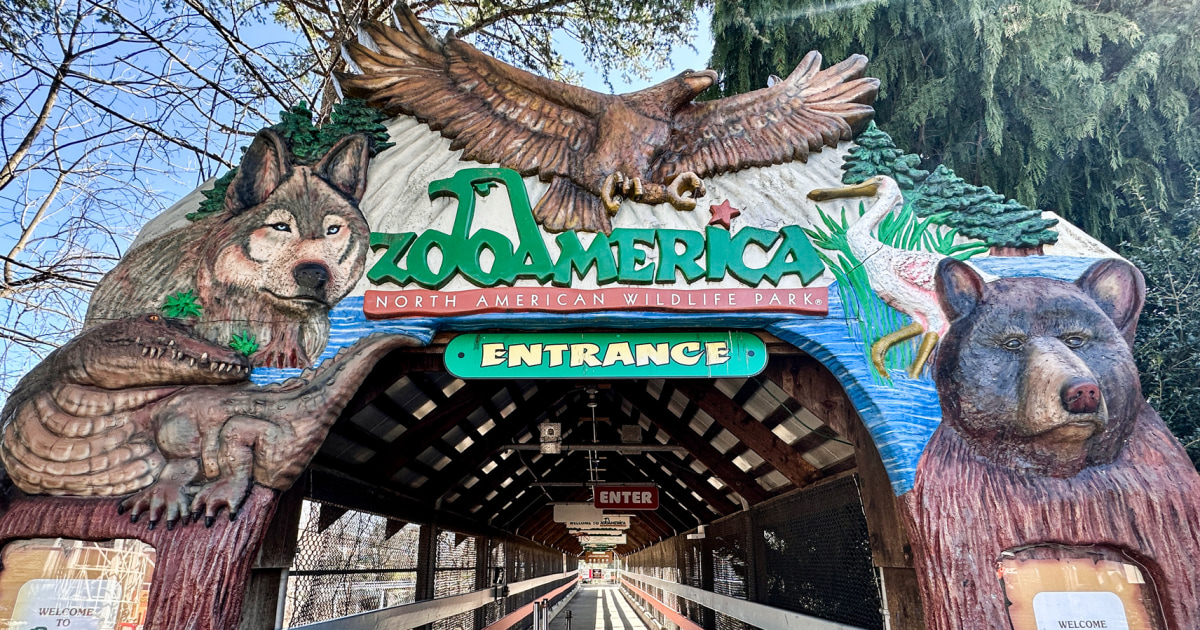
An 18-month-old child was injured after crawling under a metal perimeter fence at ZooAmerica in Hershey, Pennsylvania, and reaching into a wolf enclosure. Authorities say the child was bitten by a wolf before being quickly pulled back and rushed for medical care.
How Events Unfolded
According to reports, the toddler managed to crawl under an exterior metal fence — not the main barrier, but a secondary perimeter designed to keep visitors at a safe distance. From there, the child approached the enclosure and stuck their hand inside.
That’s when a wolf bit the child. Witnesses described a sudden shift from calm to panic, with adults shouting and rushing toward the scene. Zoo staff intervened almost immediately, pulling the child away and activating emergency protocols.
Paramedics transported the toddler to hospital. Officials later confirmed the injuries were serious but not life-threatening — a detail that brought some relief after the initial shock.
Meanwhile, the zoo closed off the area and began an internal review. Safety checks were launched, focusing on how a child could bypass a barrier that, on paper, should have been secure.
Under the Surface
Here’s the thing — modern zoos rely on layered safety systems. There’s rarely just one fence. Instead, you’ll find multiple barriers: visual boundaries, physical fencing, and setback zones. So how did this happen?
Early indications suggest the outer fence may have had enough clearance at ground level for a small child to slip underneath. It’s a design detail that might not seem risky — until it is. It only takes a split second, especially with toddlers who move fast and don’t recognize danger.

Incidents like this aren’t common, but they’re not unheard of. Over the past decade, North American zoos have faced similar questions after rare but serious breaches involving children and animal enclosures.
- Perimeter fence
- An outer safety barrier designed to keep visitors at a safe distance from enclosures.
- Enclosure
- A controlled habitat where animals are kept within a zoo setting.
- Emergency protocol
- A pre-planned response system activated during incidents to ensure rapid intervention.
For Canadian families planning zoo visits — especially during peak travel season — this hits close to home. Places like the Toronto Zoo or Calgary Zoo operate under similar layered safety principles. The expectation? That barriers are both secure and foolproof.
Voices & Opinions
The child crawled under a perimeter fence and reached into the enclosure.
Staff responded immediately and the child was quickly removed from the area.
Animal behaviour experts often stress that even well-fed, captive predators retain instinctive reactions. A moving hand, especially from a small child, can trigger a reflexive bite — not aggression in the human sense, but pure instinct.
That nuance matters. It shifts the conversation from blame to prevention.
Putting It in Perspective
What does this actually change? For one, it’s likely to trigger stricter safety audits — not just at ZooAmerica, but across similar facilities. Expect reviews of fence design, spacing, and child-proofing measures.

For families, the takeaway is more immediate. Supervision isn’t optional, especially around enclosures. As one parent at the scene put it, you blink, and something happens.
There’s also a broader conversation brewing about how zoos balance accessibility with safety. Open viewing areas are popular — but they come with trade-offs.
Looking Ahead
ZooAmerica has launched a full investigation into the incident, including structural reviews of fencing and visitor flow. Officials are expected to release findings in the coming days.
In the short term, sections of the zoo may remain restricted while safety upgrades are considered. Longer term, this could lead to industry-wide changes — particularly in how enclosures are designed for environments with young children.
If you’re planning a visit to any zoo this season, you might notice more visible safeguards. And maybe, just maybe, a few more signs reminding visitors to keep their distance.
FAQ
What happened at ZooAmerica?
A toddler crawled under a perimeter fence and was bitten by a wolf after reaching into its enclosure.
How serious were the injuries?
Officials said the injuries were serious but not life-threatening.
Was the wolf removed or harmed?
There’s no indication the animal was euthanized; focus remains on safety review.
How did the child get inside the enclosure area?
The child slipped under an outer fence that likely had enough ground clearance.
Could this happen in Canadian zoos?
While rare, similar safety systems exist, making supervision critical everywhere.
What changes might follow?
Expect stricter fencing standards and enhanced safety measures at zoos.