
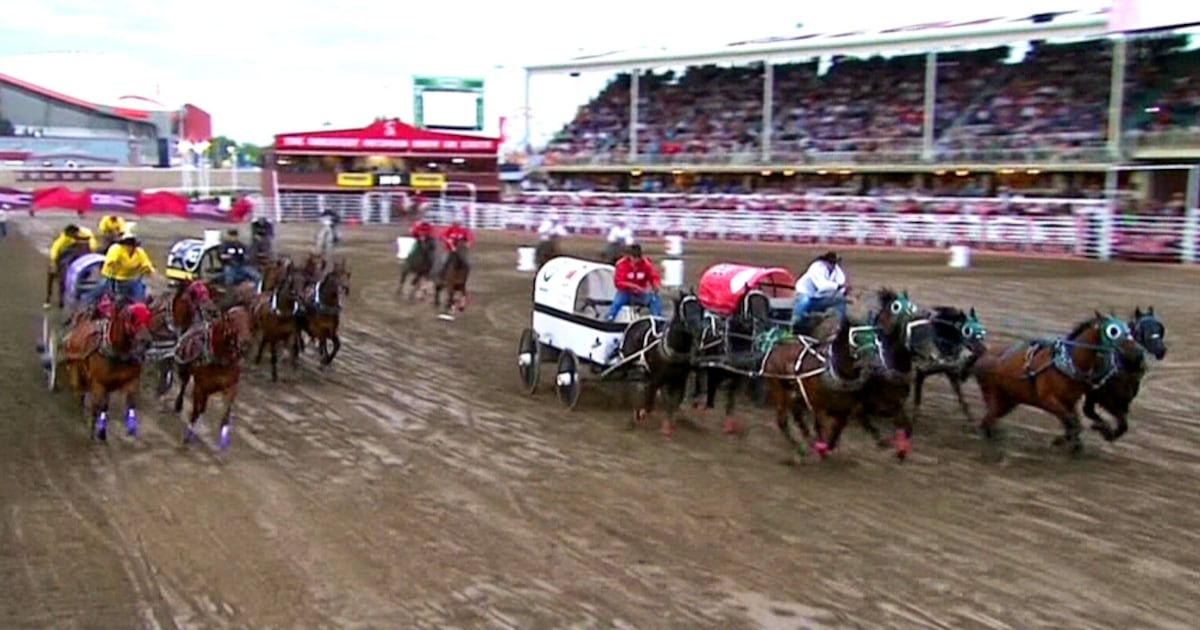
Dust fills the air as heavy wooden wagons thunder around the track, their heavy wheels spinning precariously close to one another while thousands of spectators cheer from the grandstands. Yet beneath the high-octane spectacle of the Calgary Stampede lies a mounting conflict over animal welfare, legal loopholes, and corporate accountability. A recent horse injury during the Rangeland Derby has once again thrust the controversial sport into the spotlight, igniting deep divisions over whether this century-old tradition still has a place in modern Canada.
How Events Unfolded
The latest flashpoint occurred during a recent heat of the chuckwagon races when a horse sustained an injury on the track. Calgary Stampede officials quickly ordered medical imaging to assess the damage. According to statements from the Stampede CEO, X-rays fortunately revealed no fractures, avoiding the worst-case scenario that frequently concludes these track incidents. The horse was taken out of the competition to recover, but the close call immediately reignited public scrutiny.
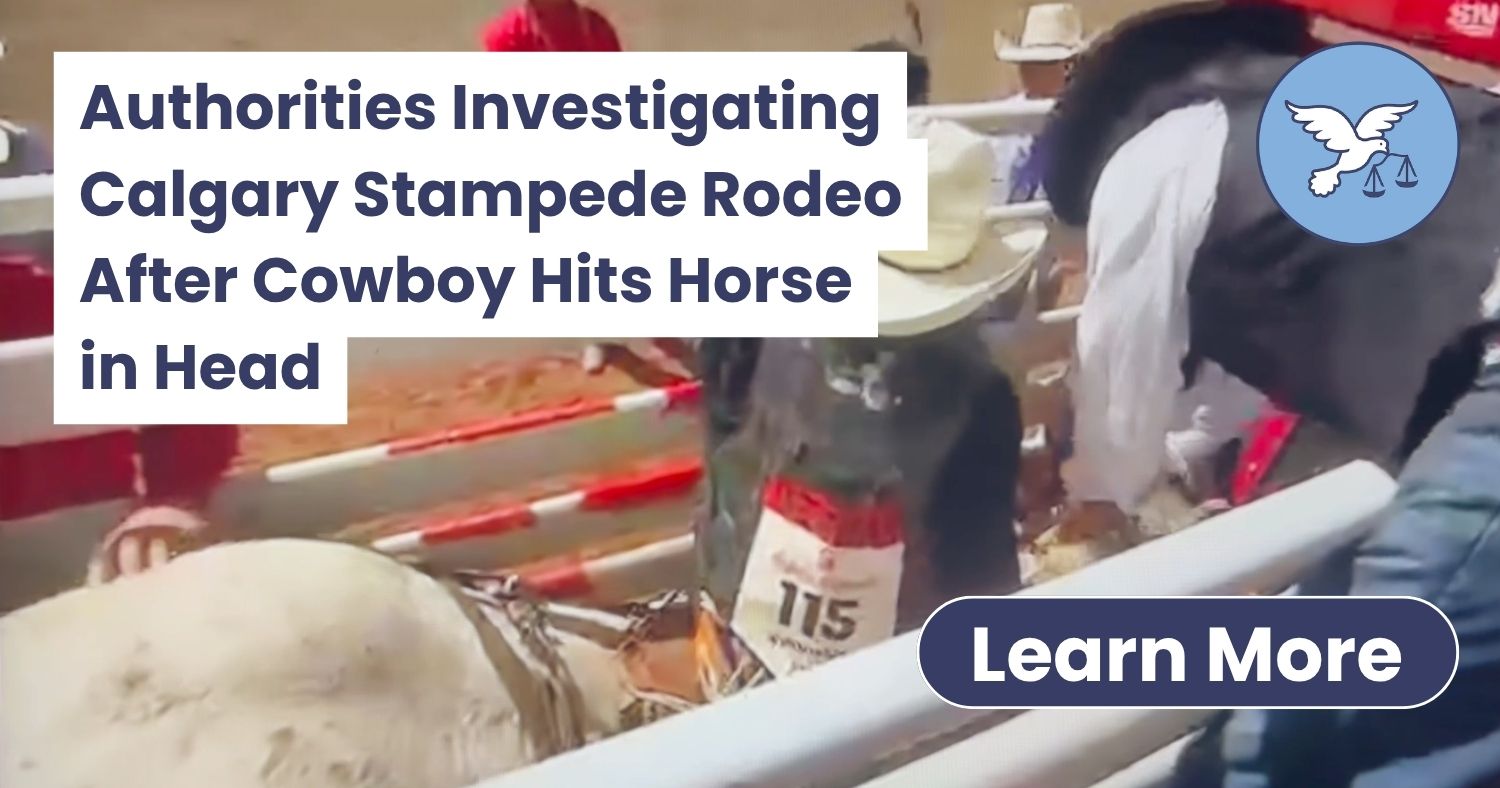
This incident follows a series of highly visible animal distress events at this year's festival. On July 7, during a live television broadcast of a bronc riding event, a rodeo worker repeatedly struck a collapsed horse named Ice Cube in the head and yanked his mane. The animal had collapsed in a chute beneath competitor Sage Newman and remained immobilized for several minutes. The footage quickly spread online, prompting the Calgary Humane Society to launch a formal animal cruelty investigation after receiving a legal complaint.
The tension has been compounding for years due to a consistent pattern of track safety issues. In 2024, the Calgary Stampede recorded its highest single-year animal death toll since 2019, with 4 horses dying in the chuckwagon races and a steer suffering a snapped neck during a wrestling event. The grim pattern continued into 2025 when another horse was euthanized following a catastrophic chuckwagon racing injury, and a parade horse collapsed in the street before the festivities even officially began.
Critical Details
Chuckwagon racing—promoted heavily under marketing slogans like the "half-mile of hell"—was introduced as a purpose-built attraction in 1923. Critics argue the sport inherently engineers a flight response in horses through tight spacing, extreme speeds, and heavy physical strain. This structural risk has resulted in a documented body count. According to tracking data maintained by the Vancouver Humane Society, at least 110 animals have died as a result of Calgary Stampede events since 1986, a figure that excludes unrecorded training fatalities.
The debate has expanded far beyond Calgary's borders. In May 2026, a horse became severely entangled during a saddle bronc performance at the Cloverdale Rodeo in Surrey, British Columbia, injuring both the animal and its rider. This regional spillover demonstrates that safety concerns plague the entire Canadian rodeo circuit, challenging the idea that these are isolated mishaps.
Reactions & Responses
The legal landscape surrounding these events is shifting dramatically, sparking outrage from advocacy groups. While the Criminal Code of Canada and Alberta’s Animal Protection Act explicitly prohibit causing unnecessary pain or distress to animals, enforcement has historically bypassed culturally entrenched events. This year, the Alberta government altered its provincial legislation to grant chuckwagon racing and rodeos an explicit exemption from animal protection laws, a change set to take effect in the fall.
Legal professionals and white-collar advisors are now publicly challenging the corporate culture that funds these spectacles. Heidi J. T. Exner, founding partner of Ethical Edge Advisors and chair of the Exner Foundation, argues that companies are purchasing brand equity in exchange for proximity to physical risk. Executives routinely underwrite these events to secure premium hospitality packages, private boxes, and client lounges, effectively normalizing the systemic danger to the animals. Exner suggests corporate boards must begin auditing their Stampede sponsorships against their internal corporate social responsibility commitments.
Meanwhile, animal defense organizations are mobilizing public opposition to disrupt this corporate backing. Advocacy groups like Animal Justice are leveraging the recent track injuries to pressure the Calgary Stampede board for a complete cancellation of all rodeo and chuckwagon events, pointing out that mainstream festival features like concerts, rides, and parades can easily sustain the exhibition's economic success without animal risk.
Putting It in Perspective
The financial dynamics of the sport add an ironic layer to the local cultural defense of "Western heritage." Data from the 2025 rodeo season reveals that approximately 75% of the competitors are actually American. Consequently, the vast majority of the lucrative prize money leaves Canada entirely. This means Canadian animals are absorbing the physical trauma and lethal risks primarily for the financial benefit of international winners.
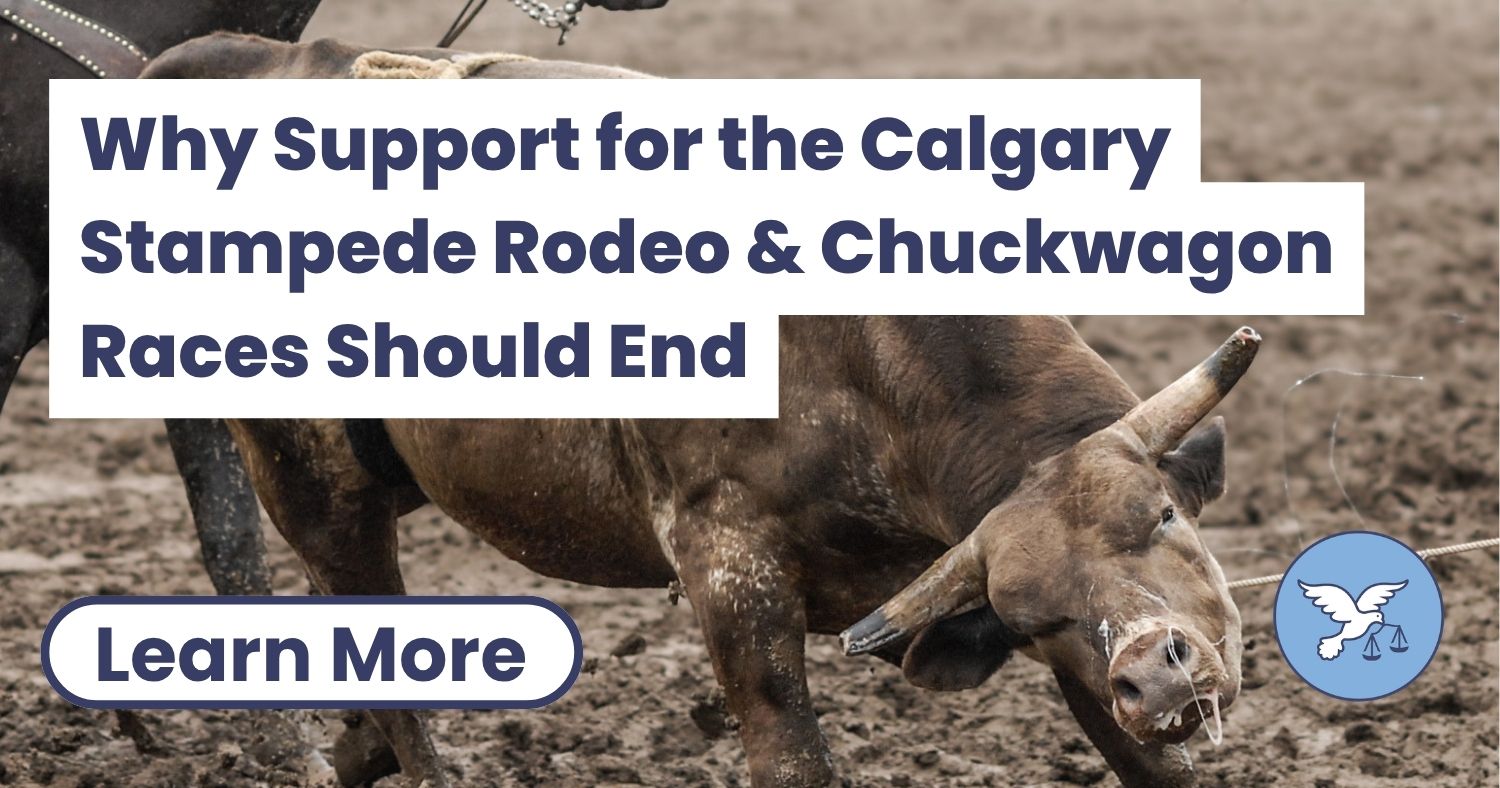
Public sentiment within Canada is shifting faster than the institutions themselves. Independent polling indicates that a majority of Canadians, including a substantive portion of Calgarians, now oppose chuckwagon racing and the more aggressive rodeo categories. As mainstream corporate sponsors face higher reputational risks, the pressure to transition toward animal-free entertainment options like expanded musical programming and advanced fairground attractions continues to mount.
Looking Ahead
The Calgary Humane Society’s investigation into the handling of the horse Ice Cube will proceed through formal legal channels, though the upcoming provincial statutory exemptions present a major hurdle for future accountability. Activists are mobilizing campaigns ahead of the autumn implementation of Alberta's revised animal protection laws, aiming to challenge the government's regulatory carve-outs before they become fully enforceable. For now, the Stampede board continues to defend its veterinary oversight protocols while facing an increasingly skeptical public.
Frequently Asked Questions
How many animals have died at the Calgary Stampede?
According to records compiled by the Vancouver Humane Society, at least 110 animals have been killed during Calgary Stampede events since 1986. This includes four horses and a steer in 2024, and another horse in 2025.
What legal protections do rodeo animals have in Alberta?
While federal and provincial laws generally prohibit causing animal distress, the Alberta government amended its laws this year to grant explicit exemptions to rodeos and chuckwagon races. The new rules come into force in the fall of 2026.
Who investigates reports of animal abuse at the Stampede?
The Calgary Humane Society handles formal legal complaints and animal cruelty investigations. They recently opened a case regarding a video showing a worker striking a collapsed horse named Ice Cube in the head.
Where do most rodeo competitors come from?
Rodeo data from 2025 shows that roughly 75 percent of the participants competing in these events are American, meaning the majority of the prize money is taken out of Canada.