
Four Democratic members of the U.S. Congress ended a four-day visit to Havana on Monday, July 13, 2026, and called for the Trump administration to lift sanctions and an energy embargo on Cuba. They said the restrictions are worsening blackouts, shortages, hospital strain and migration pressure, while no active negotiations on lifting the measures have been disclosed.
The Full Story
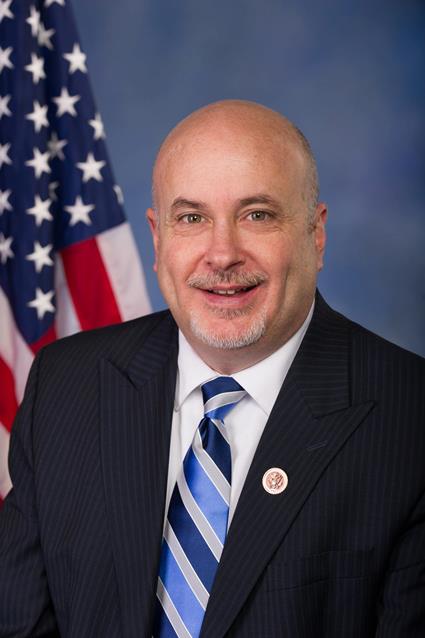
Representatives Mark Pocan of Wisconsin, Teresa Leger Fernández of New Mexico, Delia C. Ramirez of Illinois and Maxine Dexter of Oregon travelled to Cuba from Thursday to Monday. According to the lawmakers’ joint post-visit statement, the delegation met religious leaders, entrepreneurs, civil-society groups, humanitarian organizations, medical professionals and farmers. Another report said they also met Cuban President Miguel Díaz-Canel, ministers and business leaders, and toured Havana.
The lawmakers said they encountered a country struggling with prolonged electricity outages, fuel shortages, reduced public transportation, limited access to medicine and difficulties moving humanitarian aid. One nationwide blackout occurred during their trip. India Today reported that some outages were lasting more than 20 hours a day, while flight cancellations, reduced working hours and falling tourism were adding to the disruption.
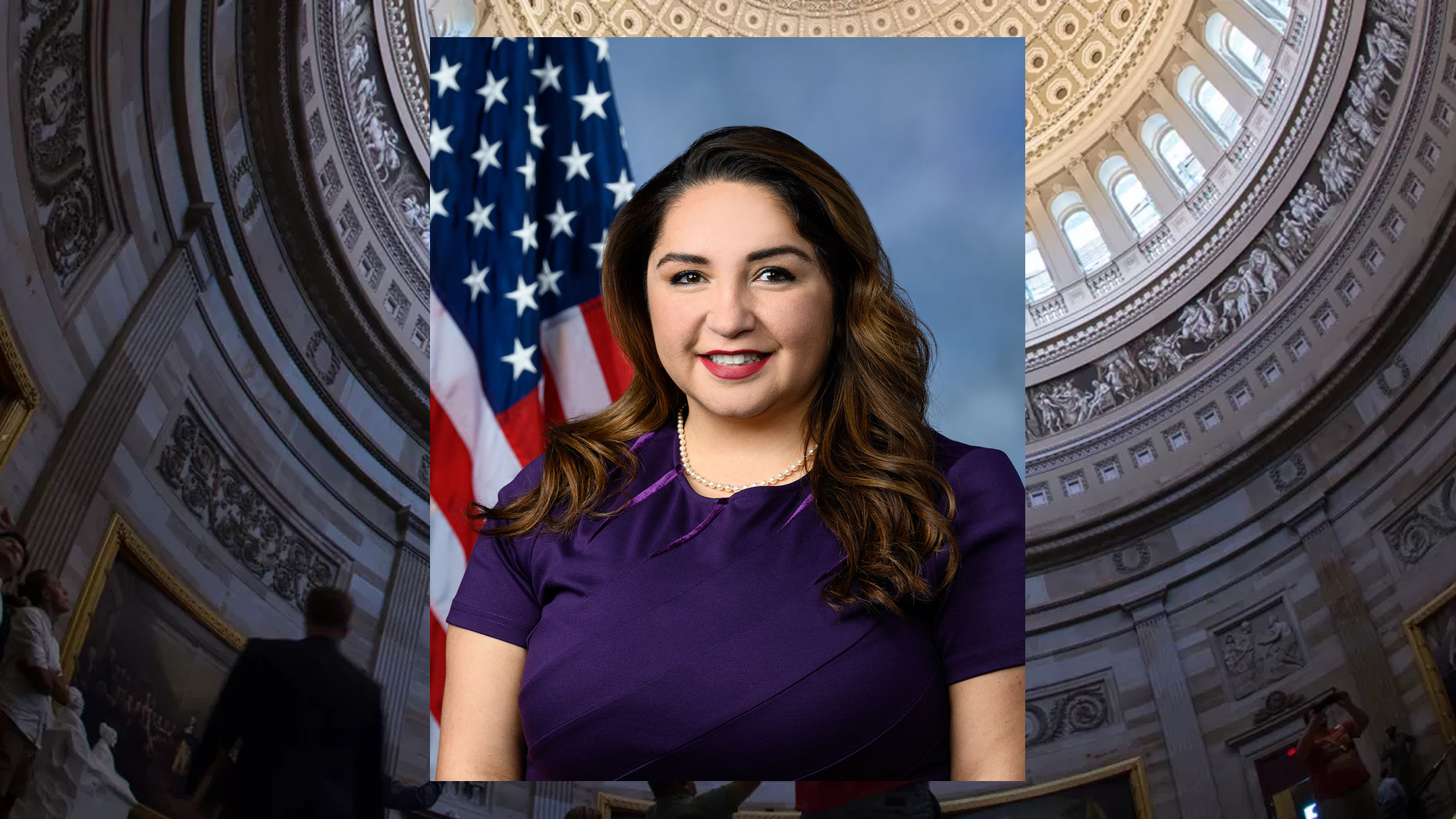
The delegation blamed U.S. policy for deepening the crisis. Pocan said the private sector has room to grow but is constrained by limits on financing, suppliers, customers and exports. Ramirez said the conditions are pushing some Cubans to leave the island, while Dexter, a physician, focused on pressure facing Cuba’s health system.
The lawmakers also warned against military action without congressional authorization. A separate report on the Havana visit said there were no current discussions between Washington and Havana on lifting the energy embargo. An Associated Press report carried by the Ottumwa Courier also described the delegation’s July 12 news conference in Havana.
The Main Players
Pocan framed the issue through the island’s private businesses and their access to capital and trade. Leger Fernández focused on shortages of fuel, medical supplies and other essential inputs. Dexter emphasized health-care access, while Ramirez linked the island’s economic hardship to migration and called for policy changes in Congress.
President Donald Trump and Secretary of State Marco Rubio are central to the U.S. policy criticized by the delegation. Cuban President Miguel Díaz-Canel was among the officials the lawmakers met. The four representatives said their visit was an oversight mission intended to hear from people with different political and professional backgrounds.
Key Statistics
- 4 lawmakers took part in the delegation.
- The trip lasted 4 days, from Thursday to Monday.
- Some blackouts were reported to last more than 20 hours a day.
- The lawmakers said Cuba’s infant mortality rate had risen from 4 to 9.9 deaths per 1,000 live births, an increase of nearly 150%.
- The visit was reported as the second trip by U.S. representatives to Cuba in 3 months.
Those figures matter because they connect energy shortages to daily services. Long outages affect food storage, hospital operations, transportation and working hours, while the mortality figure was used by the delegation to argue that the policy is causing measurable humanitarian harm.
What This Means
The visit adds congressional pressure for a change in U.S.-Cuba policy, but it does not itself alter the embargo or sanctions. The lawmakers can propose amendments, support resolutions and press the administration, yet any practical shift depends on action in Congress or the executive branch.

For Canadian readers, the immediate relevance is regional rather than domestic. The source reports describe flight cancellations, reduced tourism, public-transport limits and widespread blackouts in Cuba, developments that affect how the island functions and how its economic crisis may evolve. The delegation’s warning also shows that debate inside Washington is extending beyond sanctions to questions of migration, health care and possible military authority.
What to Expect
Dexter and Ramirez said they would pursue congressional amendments aimed at reducing health impacts and limiting further action without legislative authorization. Ramirez also used her post-visit statement to call for support for the Cuba War Powers Resolution and the New Good Neighbor Act.
No timetable for votes or policy changes was provided. The lawmakers said no talks were currently underway on lifting the energy embargo, and neither Washington nor Havana had disclosed when their officials last met or what was discussed.
Frequently Asked Questions
Who visited Cuba in July 2026?
U.S. Representatives Mark Pocan, Teresa Leger Fernández, Delia C. Ramirez and Maxine Dexter visited Cuba on a four-day congressional delegation.
Why did the lawmakers travel to Havana?
They said the trip was an oversight mission to hear from Cuban civil society, business owners, medical professionals, farmers, religious leaders and government officials about sanctions and economic reforms.
What did the lawmakers say about Cuba’s blackouts?
They said fuel restrictions were contributing to nationwide outages, with one report describing blackouts lasting more than 20 hours a day.
Are the United States and Cuba negotiating an end to the embargo?
The lawmakers said there were no current discussions on lifting the energy embargo, and no recent meeting details were disclosed.
What action could come next in Congress?
Dexter and Ramirez said they would seek amendments addressing health impacts and congressional authorization, while Ramirez urged support for two Cuba-related legislative measures.