Last updated: November 16, 2026
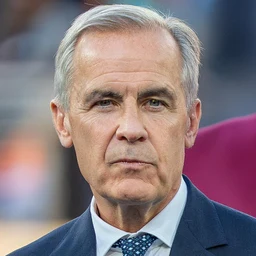
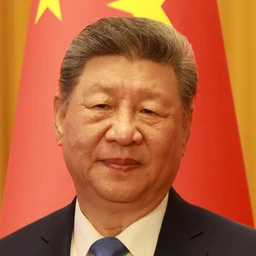
Prime Minister Mark Carney is preparing to meet Chinese President Xi Jinping in Shenzhen, China, during this week's APEC summit, with Chinese investment in Canada's auto industry high on the agenda. The talks come as U.S. tariffs threaten the future of Canadian vehicle manufacturing and Ottawa searches for alternative economic partners. Carney wants Chinese investment to support Canadian factories and workers rather than simply increase imports. But his effort to rebuild relations with Beijing is also reopening difficult questions about foreign interference and national security.

What Is Being Proposed
Carney is pursuing a broader economic partnership with China that could bring Chinese automotive manufacturing to Canada while expanding trade in agriculture, energy, renewable energy and selected financial services.
The immediate pressure comes from Washington. The United States has imposed 25% tariffs on Canadian-made vehicles, creating uncertainty for manufacturers that depend on an integrated North American market.
Speaking in Phnom Penh, Cambodia, on Monday, Carney described Chinese investment as one possible alternative if negotiations with the United States fail to preserve a viable future for Canadian vehicle assembly and parts production.
European and Japanese investment are also among the options Ottawa is considering. The proposed Chinese relationship is therefore part of a wider effort to reduce Canada's exposure to American trade decisions, rather than an exclusive arrangement with Beijing.
Carney and Xi established a strategic partnership in January, reversing years of strained diplomatic relations. Their upcoming meeting is intended to advance that relationship through practical economic discussions.
What It Would Change
For Canada's automotive industry, the central distinction is between importing finished vehicles and attracting manufacturers that actually build them domestically.
Carney opposes arrangements involving so-called kit cars, where imported components are brought into Canada primarily for final assembly. Instead, he wants factories using Canadian workers, domestically sourced parts and Canadian critical minerals.
That approach could give existing automotive suppliers opportunities to participate in new manufacturing supply chains, provided investments meet Ottawa's requirements.
Canada has already changed its electric vehicle trade policy. In January, Ottawa reduced its previous 100% tariff on Chinese-made electric vehicles for a limited quota of 49,000 vehicles. China subsequently reduced retaliatory tariffs on Canadian canola products and other agricultural exports.

Further agricultural tariff relief is another potential outcome. China continues to impose 25% tariffs on Canadian pork, shrimp and geoduck clams, creating additional obstacles for exporters.
According to The Globe and Mail's reporting on the negotiations, Beijing has sought reciprocal tariff reductions based on the value of trade affected. No additional agreement has been confirmed.
Who Supports and Who Opposes It
Carney supports deeper economic engagement with China, but his government maintains restrictions on investment in sensitive sectors, including defence-related industries, artificial intelligence and critical minerals.
Industry Minister Mélanie Joly has already met representatives of BYD, Chery, Geely and Shanghai Launch Automotive Technology about possible Canadian electric vehicle investments. International Trade Minister Maninder Sidhu subsequently met BYD, Chery and Geely during another visit to China.
Security specialists are more cautious about the wider relationship.
Vina Nadjibulla, co-founder and CEO of the Centre for Strategic Statecraft, argues that Canada's changing economic circumstances have not fundamentally altered the security threats associated with China.
Her concern centres on Canada's relatively small, open economy and its limited leverage in negotiations with Beijing. Those characteristics can leave Canadian businesses exposed to economic pressure even when diplomatic relations improve.
Jody Thomas, who served as national security adviser under former prime minister Justin Trudeau, has similarly emphasized that economic engagement should proceed with a clear understanding of China's security risks.
Thomas pointed to the July arrest of a Canadian NATO intern on espionage charges allegedly connected to China as an example of continuing concerns. The allegations are not presented as proven findings.
The available reporting does not identify a Canadian political party formally opposing the proposed automotive investments. The disagreement documented so far concerns how Ottawa should balance economic opportunities against security exposure.
Where Things Stand
Canada and China have already taken preliminary steps toward closer economic relations, but no new automotive factory agreement has been announced in the supplied reporting.
Carney's government said in January that it expected significant Chinese automotive investment in Canada within three years. Meetings with prospective manufacturers have followed, although the companies' investment plans have not been finalized publicly.
Meanwhile, negotiations with Washington over Canadian automotive tariffs continue. Their outcome will influence how urgently Ottawa pursues alternative manufacturing partnerships.
Carney has also committed to raising foreign interference directly with Xi. As CBC reports on the security concerns, the prime minister has described the expanding relationship as one that must operate within clear safeguards.
That distinction matters because greater trade does not automatically mean broader permission for Chinese investment in strategically sensitive Canadian industries.
What Happens Next
The next immediate step is the Carney-Xi meeting in Shenzhen during the APEC summit. Their discussions are expected to cover automotive investment, trade opportunities, international relations and Canadian concerns about foreign interference.
Further reductions in Chinese tariffs on Canadian agricultural exports are possible, although neither the timing nor the extent of any additional concessions has been confirmed.
For Canadian automotive workers, the most consequential developments will be whether prospective Chinese manufacturers commit to actual domestic production and whether Canada can secure a workable long-term trading arrangement with the United States.
Ottawa will also have to determine how proposed investments satisfy its security restrictions and domestic manufacturing expectations. Those decisions will establish whether a closer relationship with Beijing produces lasting industrial investment rather than simply another source of imported vehicles.
Frequently Asked Questions
Why is Mark Carney meeting Xi Jinping?
Carney wants to expand economic relations with China, discuss potential automotive investment and raise concerns about foreign interference in Canada.
Will Chinese automakers build factories in Canada?
Chinese manufacturers have discussed possible Canadian investments with federal ministers, but no new factory commitment has been confirmed in the supplied reports.
What tariffs are affecting Canadian auto exports?
The United States has imposed 25% tariffs on Canadian-made vehicles, putting pressure on Canada's integrated automotive manufacturing industry.
How many Chinese electric vehicles can enter Canada under the reduced tariff arrangement?
Canada introduced a limited quota of 49,000 Chinese-made electric vehicles under its January tariff adjustment.
Which Chinese car companies have discussed Canadian investment?
Federal officials have met with BYD, Chery, Geely and Shanghai Launch Automotive Technology about potential electric vehicle manufacturing investments.
Does closer trade mean Canada considers China a smaller security threat?
No. Carney has said the relationship will retain security safeguards, while former national security officials and specialists continue to warn about foreign interference and economic coercion.