German President Rebukes US-Israeli Military Action in Iran: A Trend Summary
German President Frank-Walter Steinmeier formally condemned the ongoing military conflict in Iran as a violation of international law during a series of official statements on March 24, 2026. The President characterized the intervention led by Donald Trump as a disastrous mistake that threatens global stability. These remarks signal a significant fracture in transatlantic relations between Germany and the United States.

TL;DR
- Germany declares the Iran war a breach of international law.
- President Steinmeier labels the conflict a disastrous and avoidable mistake.
- Official confirmation that Germany will not take a military role in the conflict.
- The move marks a profound rupture in long-standing transatlantic ties.
What Happened
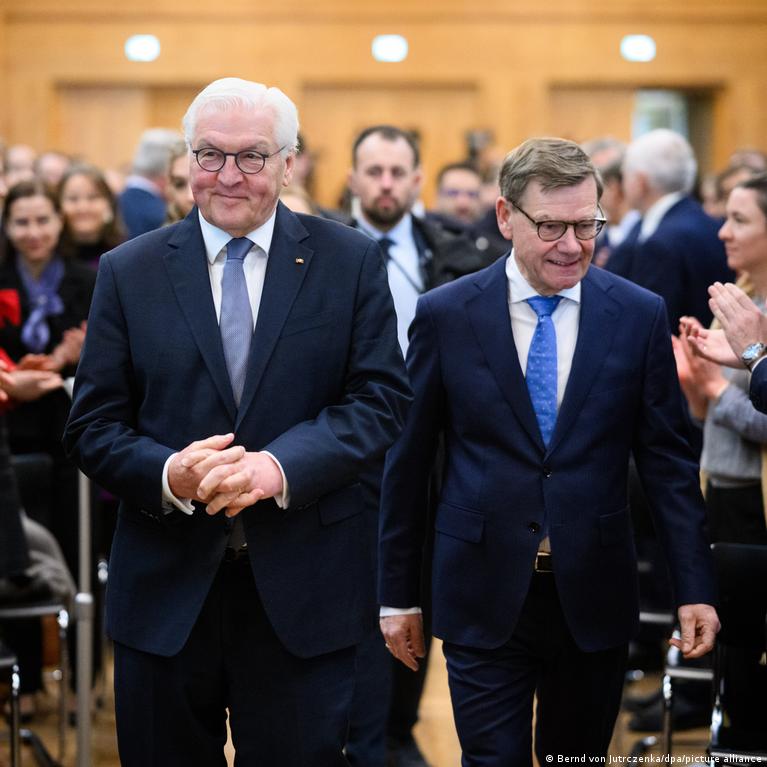
On March 24, 2026, German President Frank-Walter Steinmeier issued a rare and direct criticism of United States foreign policy, specifically targeting the US-led military action against Iran. Speaking from Berlin, Steinmeier stated that the war was not only illegal but represented an unnecessary and avoidable escalation of violence. He argued that the intervention by the Trump administration and Israeli forces constitutes a clear breach of international law. This stance was echoed by the broader German government, which warned that the conflict is leading toward an international catastrophe.
Key Developments
The German government has officially confirmed its position of non-intervention, stating that it will remain firmly against any military role in the conflict. President Steinmeier warned that the return of Donald Trump to the US presidency has brought about a profound rupture in the relationship between Europe and Washington. Economic impacts are already being felt globally as oil prices climb and travel risks increase in the region. The President emphasized that the conflict undermines the established rules-based international order that has governed global relations for decades.
The war against Iran is a disastrous mistake, a breach of international law, and an avoidable tragedy.
Why This Matters
This development is critical because it marks the most significant diplomatic split between Germany and the US in recent history. By labeling the war illegal, Germany is distancing itself from its primary NATO ally on the world stage. This shift has immediate implications for international diplomacy, as it may influence other European nations to take a similar stance. Furthermore, the rising oil prices and increased travel risks associated with the conflict are putting direct pressure on global markets and consumer costs in Canada and elsewhere.

What Happens Next
Germany is expected to pursue diplomatic channels within the United Nations to address the legality of the conflict. No military involvement from the Bundeswehr will occur, as the government remains committed to a non-combatant status. Observers will be watching for potential trade retaliation or further diplomatic cooling between Berlin and Washington in the coming weeks. For citizens, increased monitoring of travel advisories is recommended due to the volatile security situation in the Middle East.
Key Terms & Concepts
- Transatlantic Ties
- The historical and diplomatic relationship between North American countries (USA and Canada) and European nations.
- International Law
- A body of rules established by custom or treaty and recognized by nations as binding in their relations with one another.
Frequently Asked Questions
What is the German President's stance on the Iran war?
President Frank-Walter Steinmeier officially stated on March 24, 2026, that the war is a disastrous mistake and a breach of international law.
Is Germany participating in the military action in Iran?
No, the German government has explicitly stated it is firmly against a military role and will not participate in the US-Israeli led conflict.
Why did the German President call the war illegal?
The President argues that the military intervention lacks a proper legal mandate and violates the established rules of international conduct.
How is this conflict affecting the global economy?
The conflict has already caused a climb in global oil prices and increased security risks for international travel on March 24, 2026.

Resources
Sources and references cited in this article.