Last updated: March 29, 2026
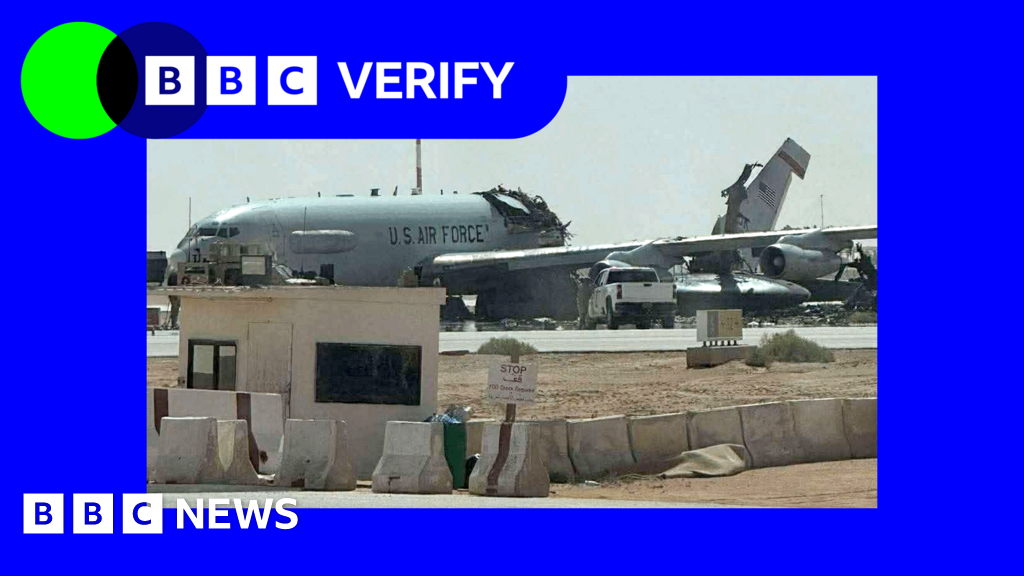
US AWACS Heavily Damaged in Bold Iranian Strike on Saudi Air Base
The strategic landscape of the Middle East shifted violently this week as Iranian forces successfully targeted a United States E-3 AWACS aircraft at a base in Saudi Arabia. For Canadians watching the escalating tensions, this isn't just a distant skirmish; it represents a direct hit on the 'eyes in the sky' that maintain global maritime security and regional stability. This calculated strike has left American troops injured and prompted a massive deployment of fresh reinforcements to the Gulf.
The Backstory
To understand the gravity of this event, one has to look at the role of the E-3 Sentry, commonly known as the AWACS (Airborne Warning and Control System). These aren't combat jets in the traditional sense; they are flying command centers equipped with massive rotating radar domes. For decades, they have provided the 360-degree surveillance necessary to protect oil tankers and allied assets from aerial threats. Losing even one is hitting where it hurts for Western military logistics.
This attack follows a month of increasing friction between Tehran and Washington. Iran has been systematically testing the limits of regional defenses, but hitting a high-value asset like an AWACS on Saudi soil marks a massive leap in aggression. The target wasn't accidental; by blinding the US radar capabilities, Iran is asserting its ability to disrupt the very air superiority the West has relied on for years.
Here's What Happened
The strike occurred late in the evening, with Iranian missiles successfully penetrating the sophisticated defense umbrellas surrounding the Saudi base. Initial reports confirm that at least one E-3 AWACS was caught on the tarmac and suffered critical damage to its airframe and sensitive electronic arrays. While the aircraft remains in one piece, the technical destruction of its radar systems effectively renders it a multi-million dollar paperweight for the foreseeable future.

The human cost is also surfacing. Several US service members sustained injuries during the barrage, ranging from shrapnel wounds to traumatic brain injuries caused by the pressure of the blasts. In the immediate aftermath, additional American forces began arriving in the Middle East to bolster security at remaining installations. According to reports from CTV News, the Pentagon is moving rapidly to prevent a total security vacuum in the region.
What People Are Saying
The political fallout has been swift, with leaders debating whether this necessitates a full-scale military response. Many are worried about the potential for a wider conflict that could send global energy prices through the roof, a major concern for Canadians already dealing with fluctuating costs at the pump. Here's what those on the inside are saying:
The U.S. can achieve its goals without ground troops, but we must be firm in our response to these direct provocations.
Military analysts suggest that the strike was intended to show that no asset—regardless of how far back from the front lines it is stationed—is safe from Iranian reach. It’s a classic case of playing with fire in a region that is already a tinderbox.
The Bigger Picture
The damage to the AWACS and air tankers is a logistical nightmare. Without these platforms, the US and its allies lose their early warning advantage, making every other ship and plane in the Gulf more vulnerable to surprise attacks. For the average person in Canada, the instability in the Saudi oil heartland often translates directly to market volatility. When the 'eyes' of the world's most powerful military are blinded, the markets tend to get nervous.

Furthermore, this strike signals a shift in Iranian strategy. They are no longer just targeting commercial shipping or local proxies; they are aiming for the high-end technological backbone of the US presence. This is a clear message that the status quo is over.
The Road Ahead
Looking forward, the G7 is expected to hold emergency talks to discuss fresh sanctions or a coordinated diplomatic response. Meanwhile, the US military is reportedly conducting a full damage assessment to see if any parts of the AWACS can be salvaged or if a replacement must be flown in from Europe or North America. Keep a close eye on the news over the next 48 hours, as the scale of the US counter-response will determine if this remains a localized incident or spirals into something much larger.
Frequently Asked Questions
What is an AWACS and why is it important?
It stands for Airborne Warning and Control System. It’s essentially a flying radar station that detects incoming threats and coordinates air battles. Losing one significantly reduces the military's ability to see and react to danger.
Were there any Canadian casualties in the attack?
Current reports from the Department of National Defence and international sources confirm injuries to U.S. troops, but there have been no reports of Canadian personnel being affected at this specific base.
How will this affect gas prices in Canada?
Instability in Saudi Arabia usually leads to a spike in crude oil prices due to fears of supply disruption. If tensions continue to escalate, Canadians can expect to see an increase at the pumps within the next week.
Is this the start of a full-scale war with Iran?
While it is a major escalation, diplomats are working behind the scenes to contain the fallout. However, the deployment of more U.S. troops suggests the military is preparing for all possibilities.

Resources
Sources and references cited in this article.

