
In a moment that felt more symbolic than ceremonial, King Charles III stood before the U.S. Congress and delivered a pointed message: the world is entering a period of “great uncertainty.” The remark, simple on its face, carried weight — especially given the fragile geopolitical climate. Within minutes, the speech was being dissected for tone, timing, and what wasn’t said.
It marked a rare royal address to American lawmakers, blending diplomacy with quiet urgency. And for many watching from Canada, it wasn’t just about the U.K. and the U.S. — it was about the future of Western alliances more broadly.

What We Know So Far
The King’s speech leaned heavily on themes of cooperation, shared values, and the importance of NATO alliances — a subtle but unmistakable nod to ongoing global tensions. While no country was named directly, the emphasis on unity suggested concerns about fractures within Western partnerships.
Earlier in the day, Charles was welcomed at the White House, where the optics were carefully managed — from ceremonial greetings to what some observers described as an unusually firm handshake with the U.S. president. That moment alone drew attention online, hinting at the underlying dynamics between leaders.
What's interesting is how layered the speech was. On the surface, it was classic royal diplomacy. But analysts quickly pointed to what they called “hidden messaging” — references to stability, resilience, and collective defence that seemed tailored to current geopolitical anxieties.
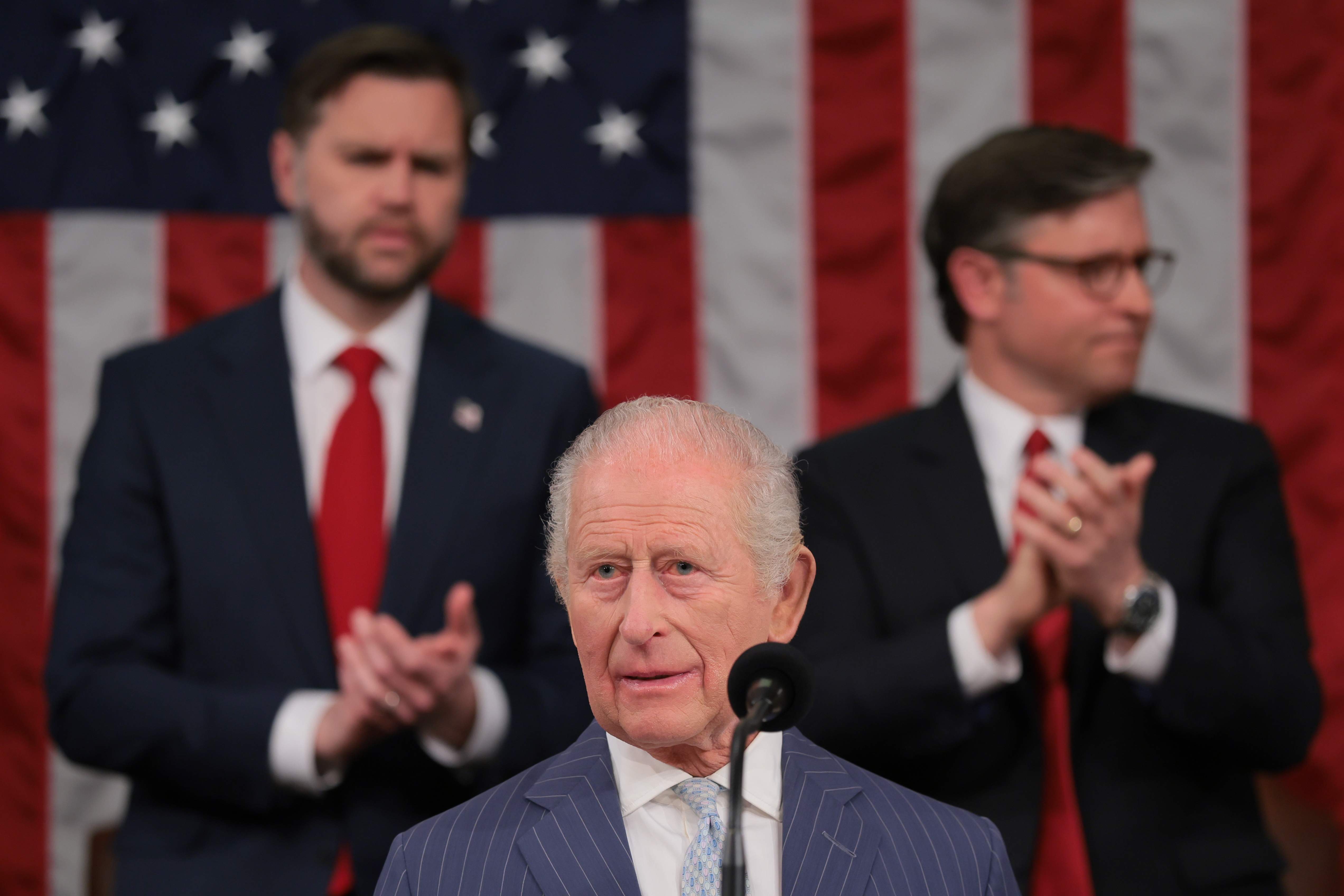
Meanwhile, the reception inside Congress was notably warm. Lawmakers from both sides of the aisle applauded key moments, suggesting that despite political divisions, the symbolic weight of the monarchy still resonates in Washington.
For context, this isn’t the first time a British monarch has addressed Congress — but it remains a rare occurrence. The last such speeches have often coincided with pivotal moments in global politics, reinforcing the idea that timing here is anything but accidental.
What People Are Saying
“We must stand together in times of great uncertainty.”
Supporters of the speech praised its tone, calling it a steadying voice at a time when international relations feel increasingly volatile. Critics, however, questioned whether the message was too cautious — more symbolism than substance.
Political observers in Canada noted the speech’s indirect implications. As a Commonwealth nation and NATO member, Canada sits squarely within the alliances Charles referenced. That connection wasn’t lost on policymakers watching closely from Ottawa.
How This Affects You
If you're in Canada, this speech hits closer to home than it might seem at first glance. The emphasis on NATO and allied cooperation directly ties into Canada’s defence commitments and foreign policy stance.
Here’s the thing: when major allies signal concern about global stability, it often translates into policy shifts — whether that’s defence spending, trade negotiations, or diplomatic positioning. Canadians could see ripple effects in everything from military budgets to international partnerships.
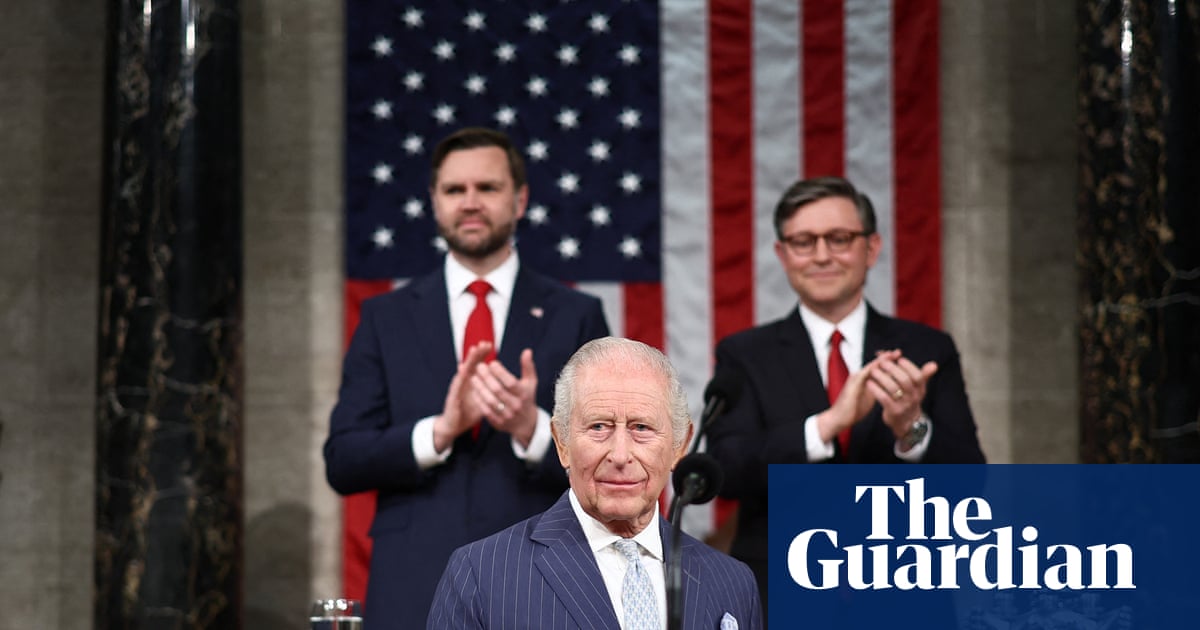
And culturally? The monarchy still carries symbolic importance here. Moments like this reinforce that connection — even as debates about its role continue. It’s a bit of a balancing act, as Canadians often say.
Coming Up
The King’s visit is expected to continue with additional diplomatic engagements and public appearances. Officials have hinted at further discussions on defence cooperation and climate initiatives — areas where Canada is deeply involved.
Back home, analysts will be watching closely for any policy signals that follow the visit, particularly from Canadian leadership.
At a Glance
- King Charles delivered a rare speech to U.S. Congress
- Focus on unity and global uncertainty dominated the address
- NATO alliances and cooperation were key themes
- Warm bipartisan reception from U.S. lawmakers
- Speech carries implications for Canada’s global role
FAQ
Why did King Charles address U.S. Congress?
To reinforce diplomatic ties and highlight the importance of unity among Western allies.
What does “great uncertainty” refer to?
It broadly اشاره إلى global tensions, including geopolitical conflicts and alliance challenges.
How often do British monarchs speak to Congress?
Rarely — such addresses typically occur during significant global moments.
Does this affect Canada directly?
Yes, particularly through NATO commitments and shared foreign policy priorities.
What happens next?
Further diplomatic meetings are expected, with potential policy discussions involving allied nations.