Last updated: Saturday, April 25, 2026
Mali Crisis: Coordinated Attacks Rock Bamako and Key Cities
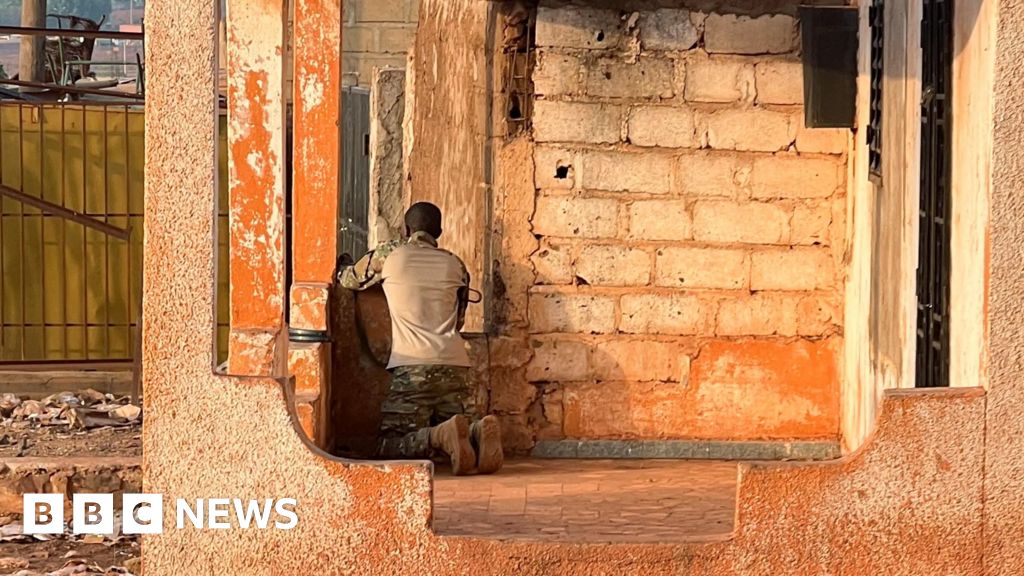
While Bamako might feel a world away from the streets of Toronto or Vancouver, the sudden surge of violence in Mali today carries significant weight for Canada’s diplomatic and security interests in West Africa. Heavy gunfire and explosions have ripped through the capital and several northern hubs, signaling a sophisticated, multi-front offensive by armed groups. Residents are currently hunkering down as the Malian army struggles to contain what appears to be a direct challenge to the ruling military junta.
Behind the Headlines
Mali has been caught in a cycle of instability since the military seized power in a series of coups starting in 2020. The current junta, led by Colonel Assimi Goïta, has shifted the country’s alliances away from traditional Western partners like France and toward Russian paramilitary groups. This shift was intended to crush a long-standing insurgency, but today’s events suggest the security situation remains on a knife-edge.
For the local community here in CA, West African stability isn't just a foreign policy footnote; it affects global counter-terrorism efforts and migration patterns. Canada has historically contributed to peacekeeping and aid in the region, and many in the Malian-Canadian diaspora are watching these developments with heavy hearts, fearing for family members caught in the crossfire.
Here's What Happened
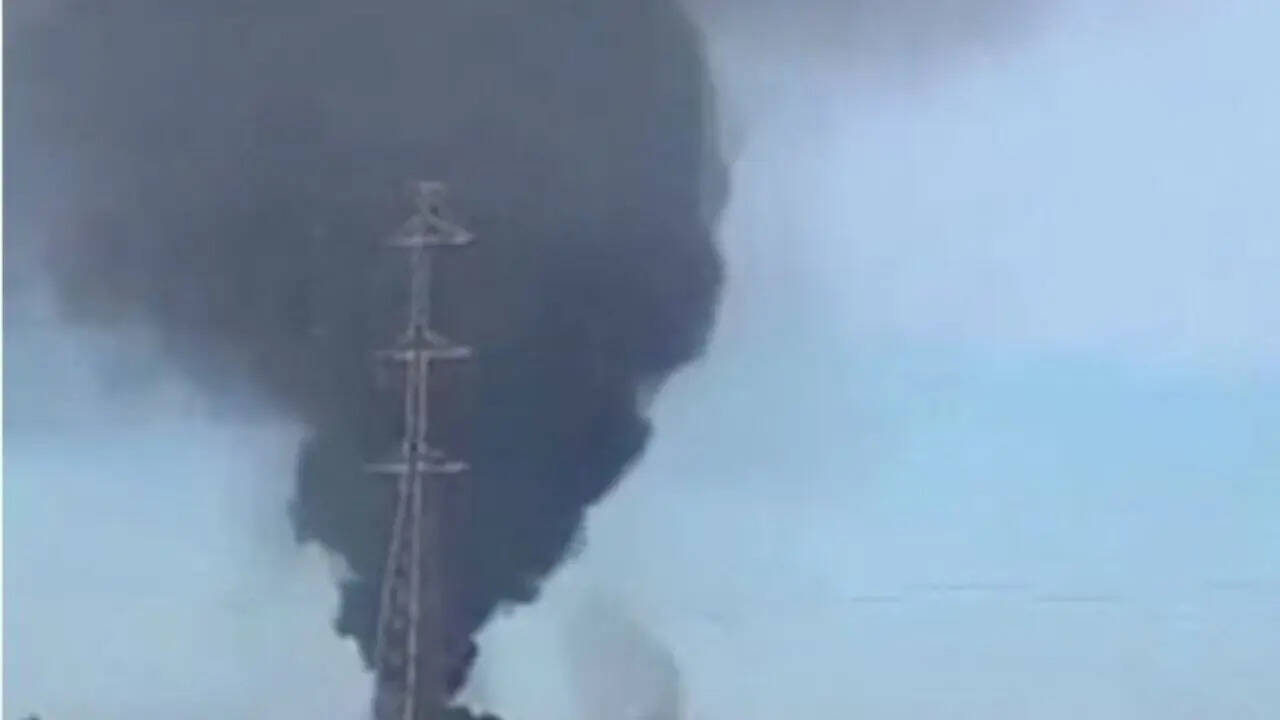
The chaos erupted in the early morning hours when coordinated strikes hit multiple locations simultaneously. In Bamako, the international airport and a major military base became the focal points of the assault. Heavy explosions were reported near the airport perimeter, leading to an immediate suspension of all flights.
Witnesses described a scene of pure confusion. "There was gunfire everywhere," one resident reported as the sound of automatic weapons echoed through the capital's streets. The army quickly issued a statement confirming clashes with "terrorist groups," but the scale of the offensive—stretching from the capital to several northern cities—indicates a level of planning that has caught many off guard.

By mid-day, the Malian military claimed to have the situation under control, but reports of sporadic shooting continued to filter out. Security cordons have been established around government buildings, and the public has been advised to stay indoors until further notice.
Voices & Opinions
The international community is reacting with alarm to the boldness of these attacks. Analysts suggest that if the capital’s defenses are this vulnerable, the junta's narrative of "successful stabilization" is essentially shattered. What's interesting is that these attacks occurred despite the increased presence of foreign security contractors in the region.
"It is too soon to tell if the junta will fall, but this is undoubtedly the most significant threat they have faced since taking power."
Locals in Bamako are expressing a mix of fatigue and fear. For many, the promise of security was the only thing making the lack of democratic rule tolerable. Now, even that seems to be slipping away.
The Bigger Picture
The implications of a destabilized Mali are far-reaching. If armed groups can strike the heart of the capital with such precision, the risk of a total state collapse increases. This would create a massive security vacuum in West Africa, potentially emboldening similar groups in neighboring countries. For those of us in CA, the concern is that another failed state provides a breeding ground for regional conflict that eventually demands international intervention.
The Road Ahead
As of this afternoon, the Bamako airport remains closed to civilian traffic, and military patrols have been doubled. We expect a formal address from the military leadership within the next 24 hours. Residents are urged to monitor official government channels for updates on the curfew and travel restrictions.
FAQ
What is happening in Mali right now?
Armed groups launched coordinated attacks on the capital, Bamako, and other cities, targeting military bases and the international airport.
Is the Bamako airport open?
No, the airport is currently closed and all flights have been suspended following explosions in the area.
Who is responsible for the attacks?
The Malian army has blamed "terrorist groups," though no specific group has officially claimed responsibility for the entire coordinated offensive yet.
Is it safe to travel to Mali?
Most international travel advisories, including Canada's, recommend avoiding all travel to Mali due to the high risk of terrorism and kidnapping.
What does this mean for the Malian government?
The attacks represent a major security failure for the ruling military junta and raise questions about their ability to maintain control over the country.

Resources
Sources and references cited in this article.

