Last updated: April 1, 2026
NATO on the Edge: Marco Rubio and the Looming U.S. Exit
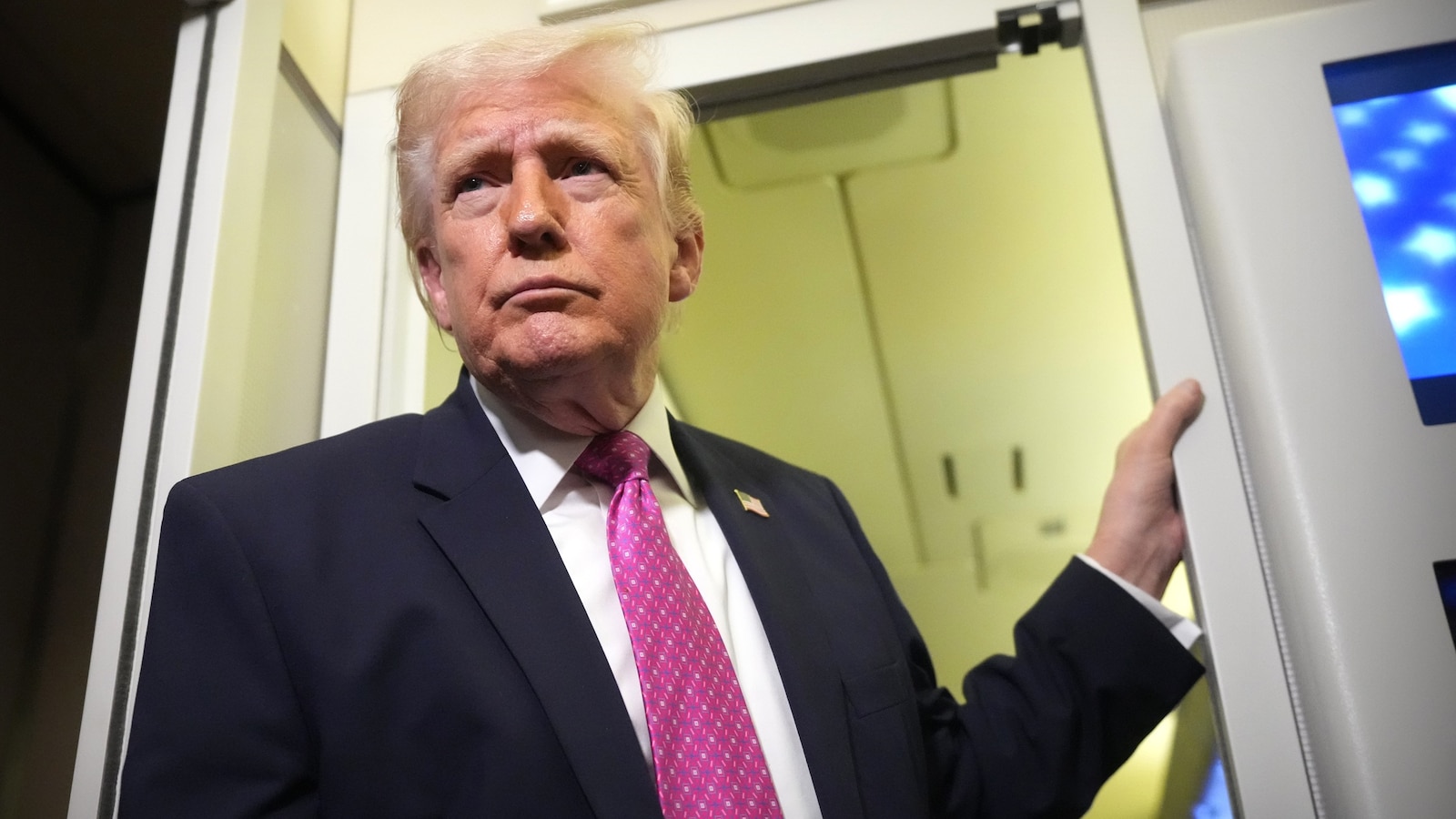
A staggering 75 years of transatlantic stability is currently hanging by a thread as the White House signals a radical shift in American foreign policy. Secretary of State Marco Rubio finds himself at the center of a diplomatic firestorm, navigating the fallout of President Trump’s renewed threats to withdraw the United States from NATO. For Canadians watching from across the border, this isn't just distant political theater—it is a fundamental restructuring of our own national security landscape.
The Bottom Line
- President Trump is actively considering a full withdrawal of the United States from the NATO alliance.
- Secretary of State Marco Rubio is tasked with managing the immediate diplomatic rift with European allies.
- The tension stems from a deepening disagreement over military spending and the ongoing conflict in the Middle East.
- A U.S. exit would leave Canada as one of the few remaining non-European anchors of the alliance, significantly increasing our defense obligations.
- Global markets and non-member partners like India are already bracing for a massive shift in the geopolitical status quo.
Breaking It Down
The rumblings of a potential exit grew into a roar this week as the President lashed out at allies over what he perceives as an unfair burden on American taxpayers. While the administration has long complained about defense spending targets, the tone has shifted from a nudge to a shove. Marco Rubio, known for his historically hawkish stance on global alliances, is now the primary messenger for an administration that seems ready to cut the cord.

The friction point isn't just about the 2% spending target anymore. A major catalyst for this latest rift is the escalating and increasingly unpopular war in the Middle East. The administration has expressed frustration with NATO allies who have been hesitant to provide full military backing for U.S. objectives in the region. This lack of alignment has turned a financial dispute into a deep-seated ideological divorce.
Military analysts suggest that a withdrawal wouldn't just be a piece of paper being torn up. It would mean the removal of the American nuclear umbrella and the dismantling of the integrated command structure that has defined Western defense since 1949. Rubio’s role involves balancing these hardline presidential directives with the reality of maintaining operational ties with traditional partners who are now looking for the nearest exit ramp themselves.
Why This Matters
For us in Canada, the implications are chilling. We have relied on the collective security of NATO for decades, often under the protective wing of the U.S. military machine. If our southern neighbor walks away, the pressure on Ottawa to exponentially increase defense spending—to the tune of billions—will become unavoidable. It’s a matter of sink or swim for our own Arctic sovereignty and border security.
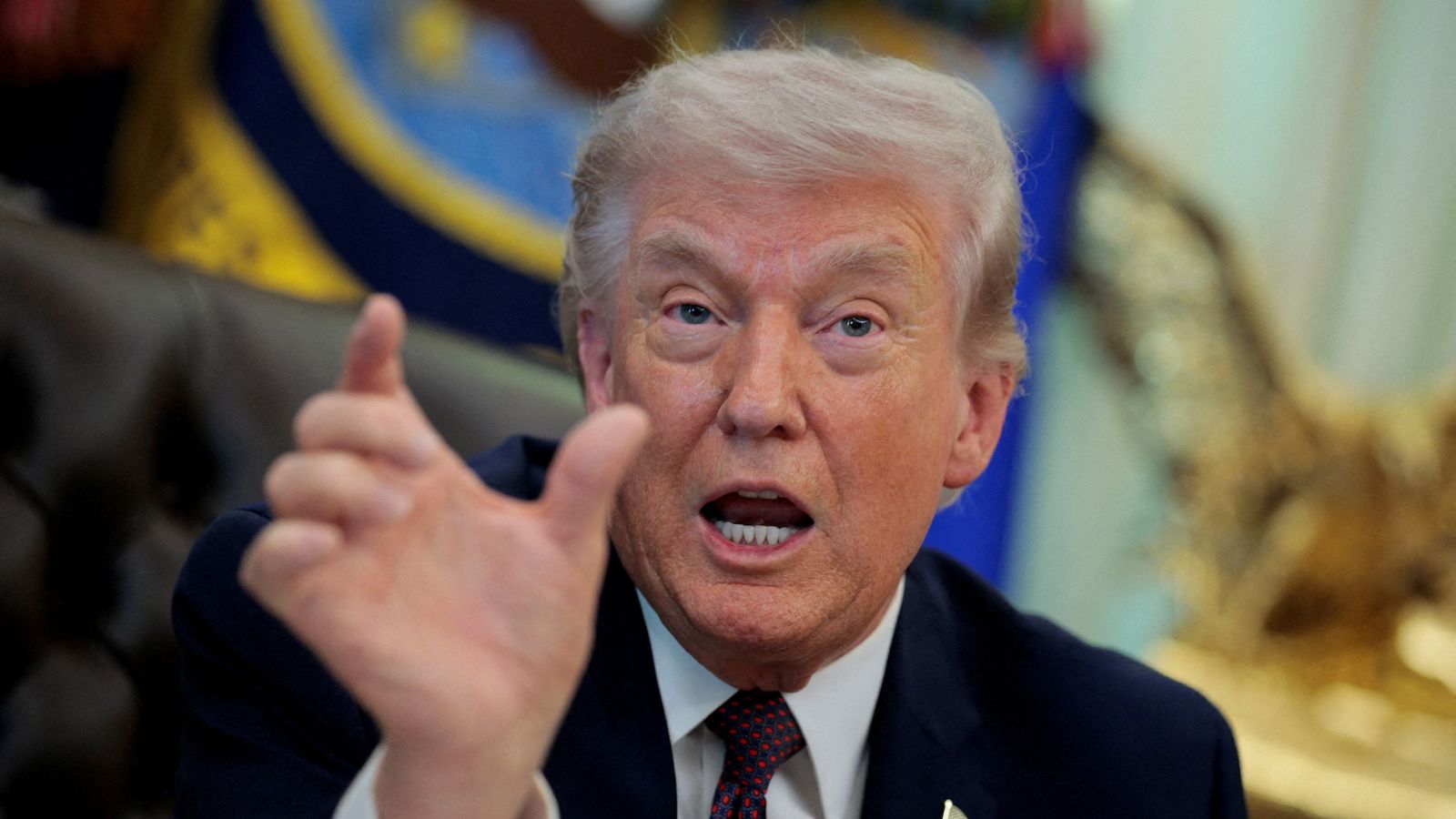
Furthermore, the ripple effects extend to global trade and stability. Partners as far away as India are analyzing the fallout, realizing that a U.S.-less NATO creates a massive power vacuum. As one expert noted, the lack of a unified Western front could embolden rival powers in the Indo-Pacific and Eastern Europe, making the world a much more volatile place for Canadian exporters and travelers alike.
"The transatlantic rift is no longer a crack; it's a canyon. The very foundation of Western security is being questioned at the highest levels of the American government."
What Comes Next
Expect a series of high-stakes summits in Brussels where Marco Rubio will face intense questioning from European foreign ministers. The next 60 days are critical, as legal experts in Washington debate whether the President has the unilateral authority to exit the treaty without Congressional approval. Stay tuned for updates as the diplomatic tug-of-war reaches its breaking point.
FAQ
Can the President leave NATO without Congress?
This is a major legal gray area. While a 2023 law requires Senate approval to leave NATO, the administration may argue executive authority over foreign policy allows for a de facto withdrawal by withholding funds and troops.
What is Marco Rubio's specific role in this?
As Secretary of State, Rubio is the lead diplomat. He must communicate the President's demands to allies while attempting to maintain enough cooperation to prevent a total collapse of U.S. influence in Europe.
How would a withdrawal affect Canada?
Canada would likely face immense pressure to lead a 'mini-NATO' or vastly increase its own military budget to compensate for the loss of U.S. intelligence and hardware support.
Why is the Middle East war mentioned in NATO talks?
President Trump has linked NATO participation to support for U.S. military actions. He views allies who don't contribute to Middle East operations as 'free riders' on American security.
Has any country ever left NATO?
No country has ever fully withdrawn from the alliance, though France famously withdrew from the integrated military command in 1966 before fully returning in 2009.

Resources
Sources and references cited in this article.

