
A line of red dresses swayed quietly in the spring breeze—empty, but impossible to ignore. Across cities and small communities alike, people gathered, walked, and held space for stories that refuse to fade. This week’s events mark a renewed wave of awareness around Missing and Murdered Indigenous Women and Girls, with vigils, runs, and community gatherings taking place across Canada and beyond.

How Events Unfolded
From New Brunswick to Parliament Hill, communities marked Red Dress Day with a mix of grief, resilience, and determination. Organizers planned walks, runs, and vigils—each one rooted in remembrance but also in action. In Ottawa, a vigil drew attention to ongoing calls for justice, while in Atlantic Canada, local events invited residents to engage with the issue firsthand.
Meanwhile, grassroots movements took centre stage. Community walks and awareness runs became more than symbolic—they turned into platforms for storytelling. Families of victims shared personal memories, grounding the issue in real lives, not statistics.
In several cities, red dresses hung in public spaces, a visual language that speaks louder than words. It’s simple, haunting, and effective. As one organizer put it, the absence is the message.
And here’s the thing—this isn’t new. The movement has been building for years. But each annual wave adds momentum, pulling in more voices, more allies, and more pressure for change.
Critical Details
At the heart of the movement is a stark reality: Indigenous women and girls in Canada face disproportionately high rates of violence. According to national inquiries, they are significantly more likely to go missing or be murdered compared to non-Indigenous women. Those numbers aren’t just statistics—they reflect systemic issues tied to colonial history, socio-economic inequality, and gaps in law enforcement responses.
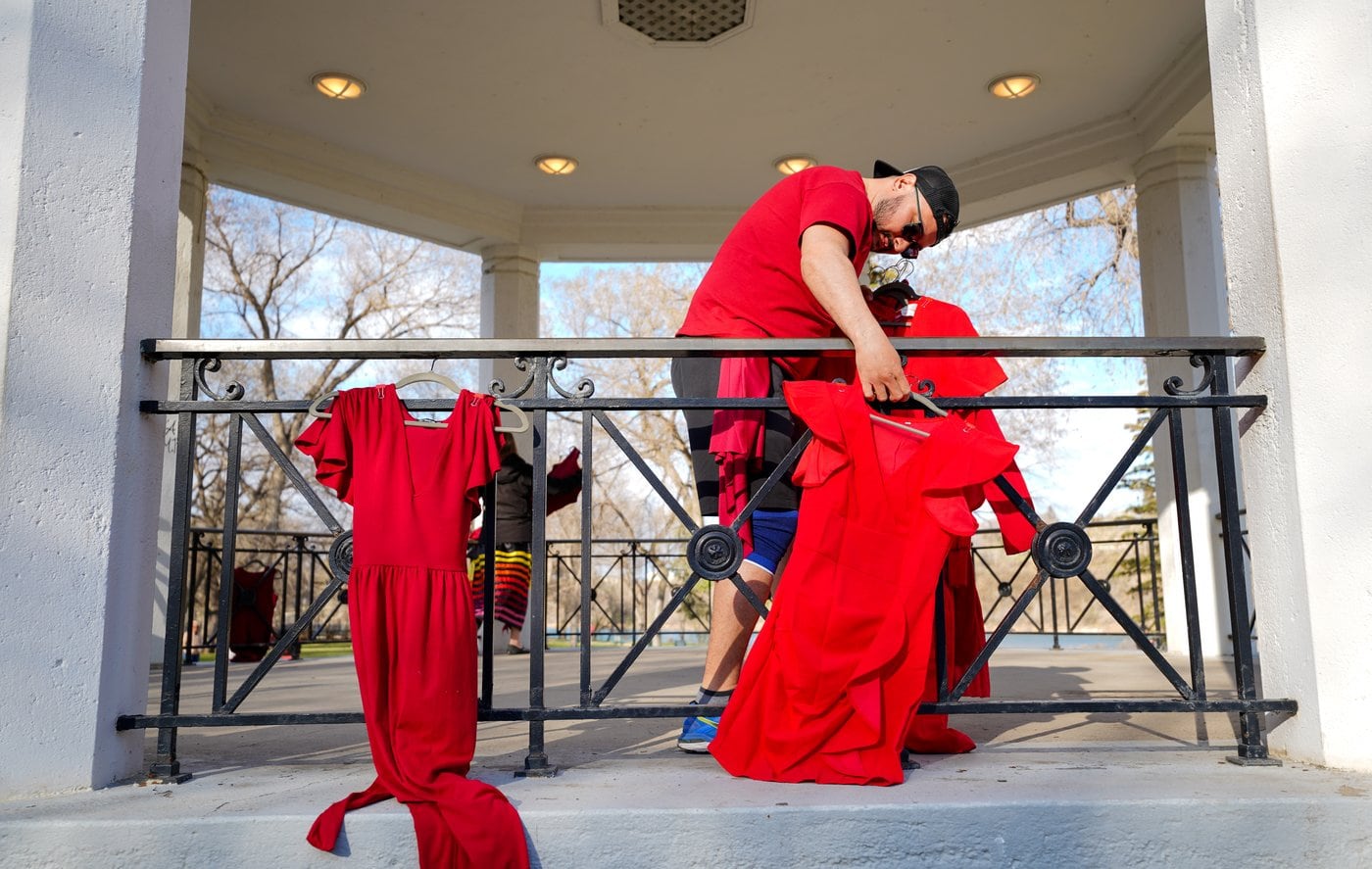
Red Dress Day itself traces back to an art installation, where empty dresses represented the missing. Over time, it evolved into a nationwide call to action. Governments have acknowledged the crisis, but many advocates argue progress has been slow.
What’s interesting is how the movement blends personal grief with public policy. It’s not just about remembrance—it’s about accountability. Families continue to push for better data tracking, stronger policing protocols, and culturally informed support systems.
Reactions & Responses
Voices from across the country echoed a similar message: this is a shared responsibility. Community leaders, advocates, and families spoke openly about the need for sustained attention—not just once a year.
We gather not only to remember but to demand change that protects future generations.
Officials acknowledged the importance of these events, pointing to ongoing initiatives. Still, many participants expressed frustration, noting that awareness without action risks becoming routine.
For Canadians watching closely, the message is clear. This isn’t a distant issue—it’s happening here, affecting neighbours, communities, and families.
Putting It in Perspective
So what does this mean for people in Canada today? For one, it highlights a gap between awareness and measurable outcomes. While public engagement is growing, systemic change remains uneven.

There’s also a ripple effect. Schools are incorporating discussions into their curriculum. Municipal governments are supporting local initiatives. And individuals—maybe even you—are being asked to reflect, learn, and engage.
It takes a village, as the saying goes. But in this case, it takes a country willing to listen—and act.
Looking Ahead
More events are planned throughout the month, with community groups continuing to push for policy changes and increased funding for support services. Advocacy organizations are also encouraging Canadians to learn about local events and initiatives and take part in ongoing discussions.
The momentum is there. The question now is whether it translates into lasting change—or fades until next year.
FAQ
What is Red Dress Day?
It’s an annual day on May 5 to honour Missing and Murdered Indigenous Women and Girls in Canada.
Why are red dresses used?
They symbolize the absence of those who are missing or have been killed.
What does MMIWG stand for?
It stands for Missing and Murdered Indigenous Women and Girls.
How can Canadians get involved?
Attend local events, support advocacy groups, and educate yourself on the issue.
What has the government done so far?
There have been inquiries and action plans, but many advocates say more concrete progress is needed.