
Last updated: July 15, 2026
Six vessels passed through the Strait of Hormuz during the night of July 9–10, according to a regional morning briefing—an unusually stark measure of how quickly the Gulf crisis is squeezing trade. Saudi Arabia is now confronting pressure on several fronts: Iranian attacks and maritime disruption, renewed Houthi strikes from Yemen, and growing uncertainty over whether its diplomatic opening with Tehran can survive. For Canada, the immediate concern is not a change in Saudi rhetoric but the risk that interrupted oil and shipping routes could feed into global fuel, freight and consumer prices.

The Bottom Line
- Saudi Arabia’s Cabinet condemned Iranian attacks on commercial vessels and several regional countries.
- A strike on Sanaa airport was followed by Houthi missile and drone attacks aimed at Saudi Arabia’s Abha airport; no casualties were reported.
- The exchange disrupted the relative calm that had held along the Saudi-Yemen frontier since 2022.
- Riyadh and Tehran still maintain diplomatic contact, preserving part of the détente established in 2023.
- Reduced traffic through Hormuz and possible disruption near Bab el-Mandeb threaten energy shipments and global trade routes.
Breaking It Down
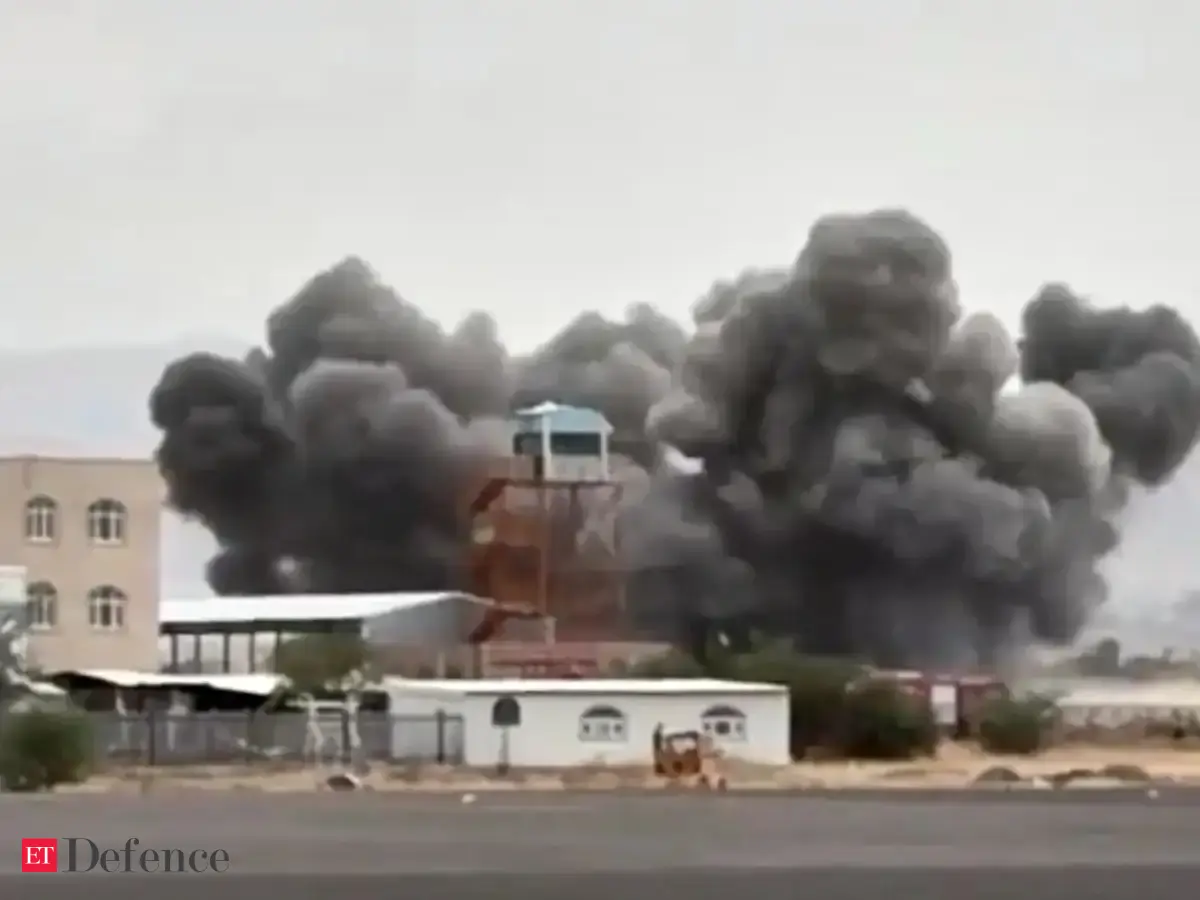
The latest Saudi-Houthi escalation began around Sanaa International Airport. Yemen’s internationally recognized government, which operates from Aden and is backed by Saudi Arabia and other Gulf states, said the runway was targeted to prevent an Iranian aircraft from landing in the Houthi-controlled capital. It alleged that the flight could have been carrying military personnel or weapons.
The Houthis disputed that account, saying the aircraft was transporting passengers returning from the funeral of Iran’s late Supreme Leader, Ayatollah Ali Khamenei. They responded by launching missiles and drones toward Saudi Arabia, including an attack aimed at Abha International Airport. Business Today reported that no casualties occurred, but the exchange marked the most serious rupture in cross-border calm since an unofficial truce took hold in 2022.
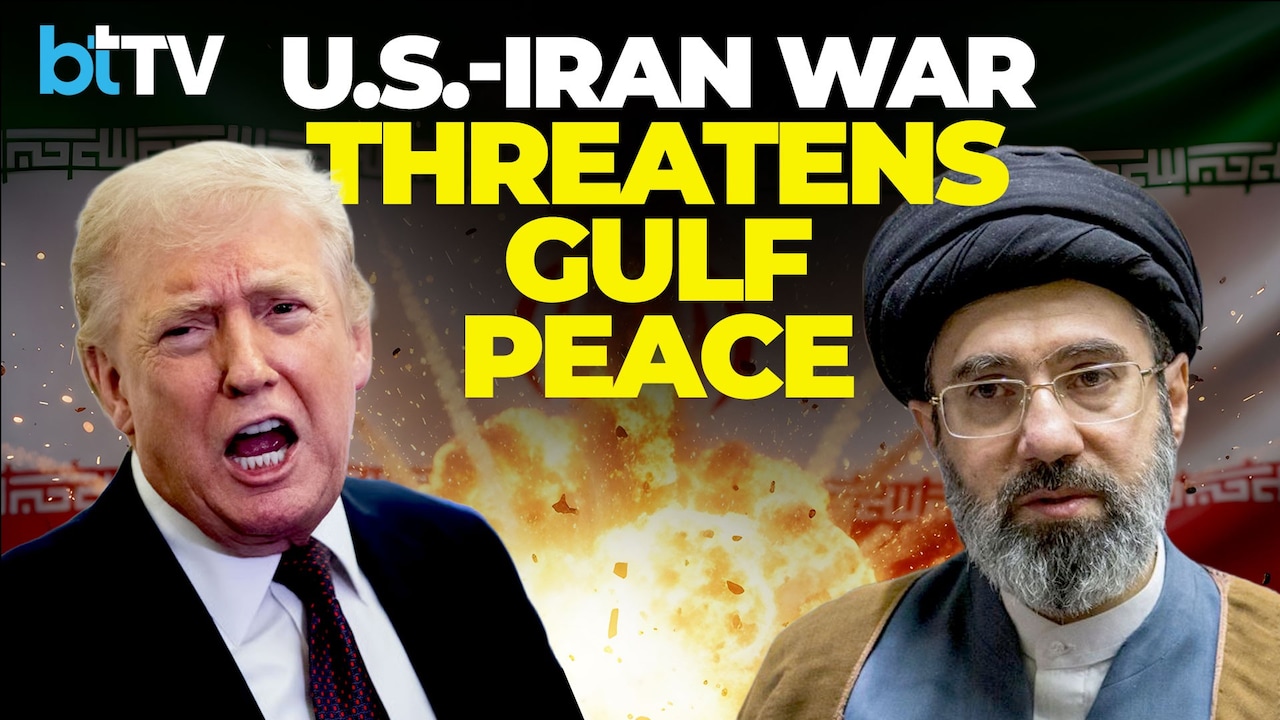
Saudi Arabia’s official response has combined condemnation with guarded diplomacy. Following a Cabinet session chaired by Crown Prince Mohammed bin Salman in Jeddah, the government rejected Iran’s destabilizing conduct, its support for armed non-state groups and attacks on commercial vessels. The Cabinet also welcomed Iraq’s commitment not to allow its territory or airspace to be used for attacks against Saudi Arabia or other Gulf countries.
At the same time, the Saudi and Iranian foreign ministers have remained in contact, while Mohammed bin Salman has spoken with Iranian President Masoud Pezeshkian. The competing signals reflect Riyadh’s central problem: it wants to deter attacks without destroying the diplomatic relationship restored through a China-brokered agreement in 2023.
Why This Matters
The danger extends beyond Saudi Arabia’s borders. The Strait of Hormuz carries a major share of globally traded oil and gas, and reports of attacks on tankers have already sharply reduced vessel movements. Another critical route, Bab el-Mandeb, connects the Red Sea to the Gulf of Aden. The Houthis have demonstrated since late 2023 that they can disrupt shipping through that corridor as well.
That two-chokepoint risk matters to Canadian households and businesses even though Canada is a major energy producer. Oil is priced in a global market, while Canadian retailers and manufacturers rely on international shipping networks. Longer routes, higher insurance premiums or constrained energy supplies can raise transportation costs and eventually affect prices for fuel and imported goods.
The crisis also places Pakistan in a difficult position. Islamabad maintains close strategic ties with Saudi Arabia while sharing a border and working relationship with Iran. Sources describe a Saudi-Pakistani mutual defence agreement and the presence of Pakistani personnel in Saudi Arabia, but the extent of any automatic military obligation has not been publicly established.
What Comes Next
The next confirmed signals will come from Saudi-Iranian diplomatic contacts, developments at Sanaa and Abha airports, and vessel traffic through Hormuz. Saudi Arabia has publicly called for restraint while insisting that attacks on shipping and neighbouring states must stop.
A further Houthi strike on Saudi territory, another attempt to block an Iran-linked flight, or sustained disruption around Hormuz could turn the present confrontation into a broader regional conflict. No new ceasefire arrangement between the Saudi-backed Yemeni government and the Houthis has been announced in the supplied reports.
Frequently Asked Questions
Why are Saudi Arabia and the Houthis fighting again?
The latest exchange followed a strike on Sanaa airport intended to stop an Iranian aircraft from landing. The Houthis retaliated with missiles and drones aimed at Saudi Arabia.
Was anyone killed in the attack on Abha airport?
No casualties were reported in the supplied coverage of the attack.
Has the Saudi-Iran peace deal collapsed?
No formal collapse has been announced. Diplomatic channels remain open, but repeated attacks are placing the 2023 détente under severe strain.
What did Saudi Arabia say about Iran?
The Saudi Cabinet condemned attacks on commercial vessels, regional countries and what it described as Iranian interference and support for armed groups.
Why is the Strait of Hormuz important?
It is a critical passage for global oil and gas shipments. Reduced traffic can tighten supply routes and increase energy and shipping costs.
How could this affect Canadians?
Disrupted energy and freight routes can contribute to higher global oil prices, insurance costs and transportation expenses that reach Canadian consumers and businesses.