Last updated: April 25, 2026
Why is the Secret U.S. Presence in Mexico Sparking a Diplomatic Firestorm?
The twisted remains of a vehicle in northern Mexico have pulled back the curtain on a shadow war that neither government seems ready to talk about. What started as a routine drug lab raid ended in a high-speed tragedy, leaving two American officials dead and a growing list of questions about what they were actually doing there. As the dust settles in the state of Chihuahua, the political fallout is just beginning to cross the border.
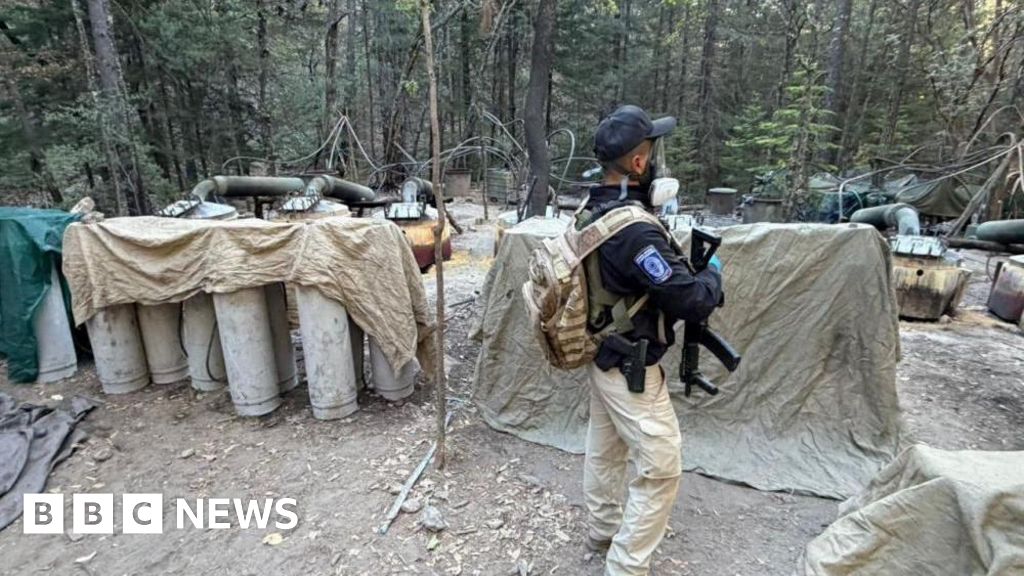
How Events Unfolded
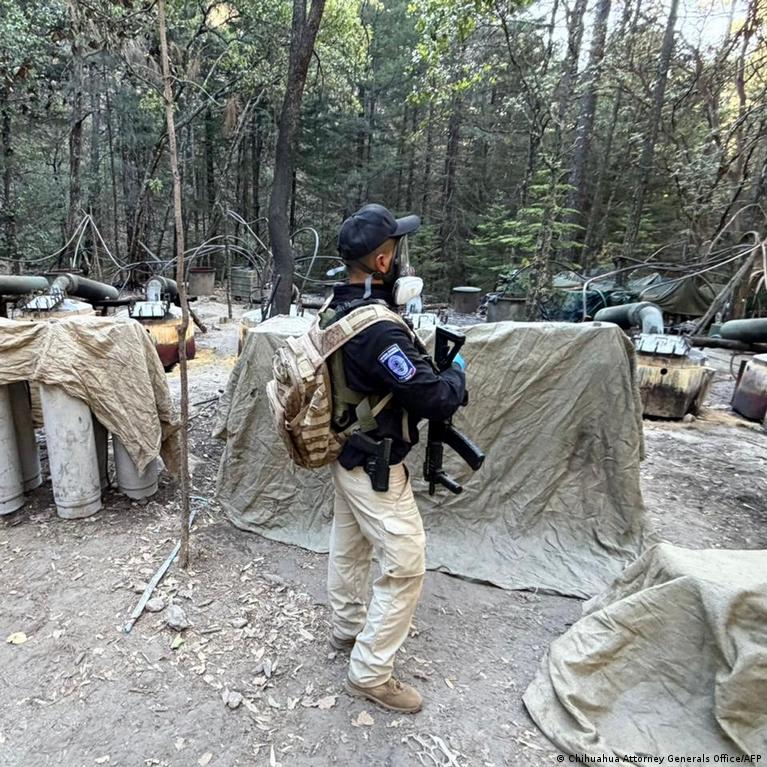
Last weekend, a multi-agency operation targeted a sophisticated methamphetamine laboratory tucked away in the rugged terrain of northern Mexico. Following the successful raid, a vehicle carrying two U.S. Embassy officials and two Mexican officers veered off the road at high speed. The crash was fatal for all four occupants, turning a tactical victory into a diplomatic nightmare. While initial reports focused on the loss of life, the narrative shifted rapidly when Mexican authorities began questioning the legal standing of the Americans involved.
Mexican President Claudia Sheinbaum has since addressed the nation, stating clearly that while her government coordinates with the U.S., there was no formal authorization for foreign intelligence agents to lead or actively participate in such kinetic operations on the ground. The incident has put a spotlight on the delicate dance between the two nations as they battle powerful cartels. The elephant in the room is whether these agents were working within the agreed-upon legal framework or operating in a gray zone.
Reports from major outlets like AP News suggest the officials may have been linked to the CIA, a claim that has historically been a flashpoint for Mexican sovereignty. Here in Canada, where our own security agencies maintain close ties with both the U.S. and Mexico, the situation is being watched closely as a bellwether for international intelligence cooperation.
Under the Surface
To understand why this is such a powder keg, you have to look at the history of U.S. intervention in Mexico. For decades, the presence of American boots on the ground—especially intelligence agents—has been a deeply sensitive topic. Under the current administration, Mexico has pushed for a "Mexico First" approach to security, limiting the freedom of movement for foreign agents. This crash suggests that despite the public rhetoric, the deep-state coordination remains as active—and perhaps as risky—as ever.
- Sovereignty
- The full right and power of a governing body over itself, without any interference from outside sources or bodies.
- Gray Zone Operations
- Activities that fall between traditional diplomacy and open warfare, often involving clandestine intelligence gathering.
Voices & Opinions
The rhetoric coming out of Mexico City is one of frustration and a demand for transparency. Officials are walking a fine line between mourning the loss of life and asserting national authority. Meanwhile, in Washington, the response has been predictably guarded, focusing on the sacrifice of the public servants rather than the legality of their mission.
The presence of these agents was not authorized through the proper channels. We are seeking a full report from our neighbors to ensure our laws are respected.
Putting It in Perspective
What does this mean for us? For Canadians, this isn't just a story about a car crash in a distant desert. It’s about the stability of North American security agreements. If the trust between the U.S. and Mexico frays further, the ripple effects could impact everything from border flow to regional intelligence sharing. Canada relies on these tripartite relationships to manage continental threats, and a breakdown in Mexico-U.S. relations makes the entire region less predictable.

Looking Ahead
The immediate next step is a formal diplomatic inquiry. Mexico has requested specific details on the mission's mandate, while the U.S. State Department is expected to provide a clarified account of the officials' roles. Expect a tightening of protocols for U.S. personnel operating in Mexico and potentially a temporary cooling of joint field operations as both sides look to save face.
FAQ
Who were the U.S. officials killed in the Mexico crash?
They were officially identified as U.S. Embassy staff, though multiple reports suggest they were working in an intelligence capacity, possibly for the CIA.
Was the U.S. operation in Mexico legal?
Mexico claims the agents were not authorized to operate on the ground during the raid, sparking a debate over legal protocols and national sovereignty.
Where did the crash happen?
The fatal accident occurred in the northern state of Chihuahua following a raid on a methamphetamine laboratory.
How is Mexico responding to the CIA reports?
President Sheinbaum's administration is demanding a full investigation and emphasizing that all foreign activities must follow Mexican law.
Will this affect U.S.-Mexico relations?
The incident has caused significant diplomatic tension, though both nations are likely to work behind the scenes to maintain essential security cooperation.

Resources
Sources and references cited in this article.

