
A high-stakes political crisis has engulfed Maharashtra as six out of nine Lok Sabha MPs from the Shiv Sena (UBT) defected in a coordinated revolt dubbed ‘Operation Tiger’. The sudden exodus forced an emotional party chief, Uddhav Thackeray, to offer his resignation during the organization’s 60th foundation day celebrations. This rapid unraveling marks the most severe challenge to Thackeray’s leadership since Eknath Shinde’s initial rebellion tore the party apart four years ago.
What We Know So Far
The internal rift exploded into public view when six federal lawmakers defied an official party whip and completely skipped a crucial parliamentary party meeting convened in New Delhi. The rebel group consists of Sanjay Dina Patil, Sanjay Deshmukh, Sanjay Jadhav, Bhausaheb Wakchaure, Nagesh Patil-Ashtikar, and Omprakash Raje Nimbalkar. Reports indicate these dissident lawmakers have already submitted a formal letter to the Lok Sabha Speaker seeking recognition as an independent group, with the ultimate intention of joining the ruling Shiv Sena faction led by Maharashtra Deputy Chief Minister Eknath Shinde.
Only three Lok Sabha members—Arvind Sawant, Anil Desai, and Rajabhau Waze—remained loyal and attended the Delhi meeting. In a swift counter-offensive, Chief Whip Anil Desai issued a formal show cause notice to the six absentees. The party has mandated a strict 24-hour deadline for a written explanation, warning that a failure to respond will be treated as a voluntary relinquishment of membership, triggering immediate disqualification proceedings under the Tenth Schedule of the Indian Constitution, commonly known as the Anti-Defection Law.
Meanwhile, serious financial and political allegations have emerged regarding the true motivations behind the split. Rajya Sabha MP Sanjay Raut openly alleged that fierce internal clashes broke out among the rebels regarding who would secure a coveted Union cabinet position within the central government. According to Raut, because only one ministerial post is available, a financial settlement was reached to distribute an additional ₹25 crore to each of the remaining five lawmakers as compensation for switching their political allegiance.

The ruling establishment quickly moved to secure the defectors, granting them high-level ‘Y-plus’ police protection. Opponents argue that this deployment represents a severe misuse of public funds. Dissident leaders have countered by claiming their rebellion was sparked by profound ideological discomfort. They point directly to statements from Raut suggesting that regional outfits should merge into the national Congress party. The rebels argued that the Thackeray faction was entirely abandoning the fundamental Hindutva principles established by party founder Bal Thackeray.
The Response
The leadership architecture of both rival factions traded bitter public insults during simultaneous foundation day rallies held across Mumbai, exposing the deep emotional wounds of the split.
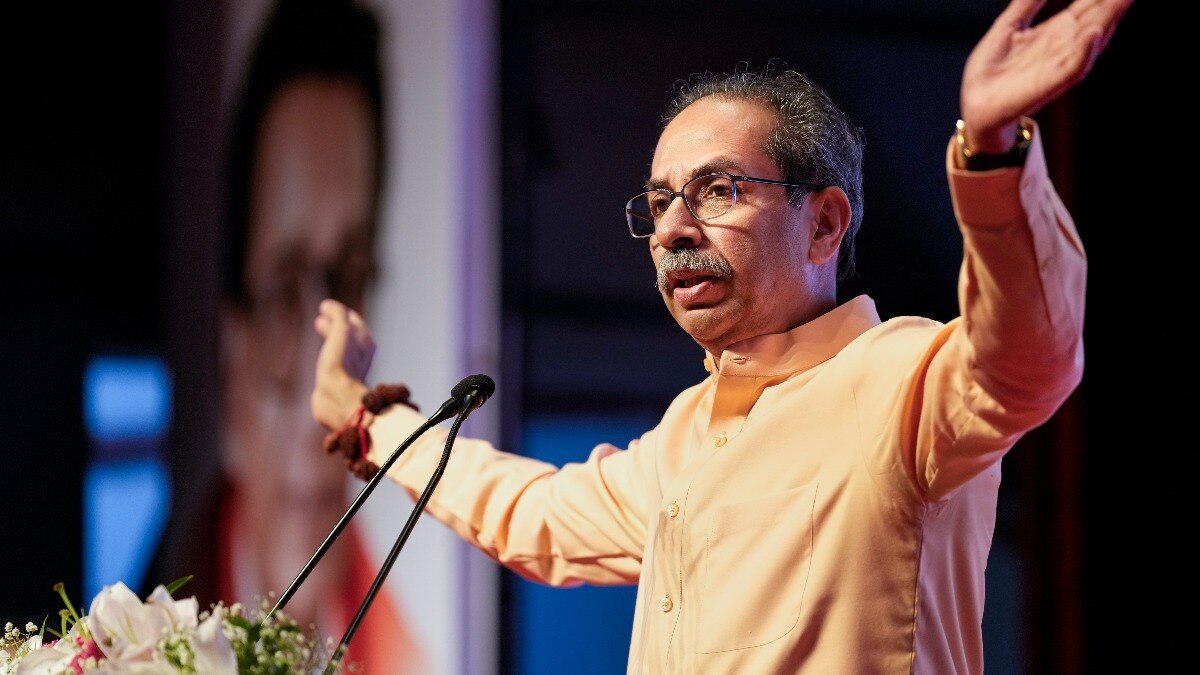
Uddhav Thackeray delivered a highly emotional address to thousands of gathered party workers at Shanmukhananda Hall, explicitly offering to relinquish his leadership post if ordinary cadres no longer harbor faith in his decisions.
I would be happy if someone from the party ranks becomes the next Shiv Sena president, but I will not let it pass on in the hands of thieves.
Thackeray also apologized to the electorate, acknowledging that voters supported these candidates in 2024 because of his direct personal appeal and the legacy of Balasaheb. He vehemently rejected any possibility of merging with the Congress, pointing out that three decades of alliance with the Bharatiya Janata Party (BJP) never resulted in a merger. He accused the BJP of trying to systematically obliterate his party to establish a dangerous “one party, no election’ autocracy.
Sena leader Aaditya Thackeray echoed this fury online, characterizing the dissident MPs as shameless, ungrateful, and fundamentally corrupt individuals who explicitly bartered their reputations and family names for political expediency.
At the rival NESCO Exhibition Centre in Goregaon, Deputy Chief Minister Eknath Shinde delivered a ferocious one-hour counter-attack. Shinde mocked Thackeray’s leadership style, asserting that true leadership requires leading from the front lines rather than isolating oneself at home. He claimed his faction represents the true ideological heirs of Balasaheb’s vision.
This is just a trailer, the picture is still left. Wait and watch what happens next.
Shinde further escalated the rhetoric by stating that a wolf cannot transform into a tiger simply by draping itself in a tiger’s hide, insisting that his alliance with Prime Minister Narendra Modi remains completely unshakeable.
What It Means for You
For observers and the diaspora community in CA, this dramatic schism highlights a profound transformation within India's regional political economy. The era when emotional bonds, local identity politics, and unswerving dynastic loyalty could sustain a regional political movement is rapidly eroding under the weight of resource-intensive national electioneering.
The ongoing destabilization of the opposition bloc introduces intense volatility to regional governance. This institutional decay directly impairs long-term policy consistency and infrastructure development initiatives across Maharashtra, a primary economic engine of the subcontinent. As power concentrates more heavily into centralized national structures, the capacity of regional entities to protect distinct local socio-economic interests continues to shrink. Residents tracking international investments or regional stability will see a highly unpredictable governance landscape leading into the next electoral cycle.
Coming Up
The immediate political battlefield now shifts directly to the legal chambers of the Lok Sabha Speaker and the Indian judicial system. The six rebel lawmakers must formally reply to the strict 24-hour show cause notice issued by Chief Whip Anil Desai. If they fail to provide a legally sound defense for violating the party whip, the Thackeray faction will immediately initiate formal disqualification proceedings under the Anti-Defection Law. Simultaneously, the Lok Sabha Speaker must review the official petition submitted by the breakaway faction to determine if they meet the legal thresholds required to be recognized as an independent legislative group, a decision that will dictate the stability of the entire state administration.
At a Glance
- Six out of nine Lok Sabha MPs from the Shiv Sena (UBT) have revolted against Uddhav Thackeray in a move named ‘Operation Tiger’.
- The dissident lawmakers skipped a mandatory parliamentary party meeting, completely defying a formal legal whip.
- The Thackeray loyalists issued a strict 24-hour deadline for the rebels to respond before initiating formal anti-defection disqualification.
- Uddhav Thackeray offered to resign his post if workers lack faith, while fiercely denying any plans to merge into the Congress party.
- Eknath Shinde dismissed Thackeray’s complaints, calling the move a mere trailer for future political defections.
FAQ
What is Operation Tiger in Maharashtra politics?
Operation Tiger is the political designation given to the coordinated defection of six Lok Sabha members from the Uddhav Thackeray-led Shiv Sena (UBT) faction. These lawmakers are moving to join the rival ruling faction controlled by Deputy Chief Minister Eknath Shinde.
Who are the six rebel MPs involved in the split?
The six defecting lawmakers are Sanjay Dina Patil, Sanjay Deshmukh, Sanjay Jadhav, Bhausaheb Wakchaure, Nagesh Patil-Ashtikar, and Omprakash Raje Nimbalkar.
What legal consequences do the defecting MPs face?
The MPs have been served an official show cause notice by Chief Whip Anil Desai giving them 24 hours to explain their absence. Failure to comply will lead to a petition for their formal disqualification under the Anti-Defection Law of the Indian Constitution.
Why are the rebel MPs leaving Uddhav Thackeray's faction?
The rebels claim they are alienated by senior leader Sanjay Raut’s suggestion that regional parties should merge with the Congress, arguing that the leadership is compromising Balasaheb Thackeray’s traditional Hindutva ideology.
What did Eknath Shinde mean by saying the picture is still left?
Eknath Shinde used the film metaphor to signal that the defection of these six federal lawmakers is merely the beginning of an ongoing political realignment, implying that additional opposition politicians will switch sides soon.