
A high-stakes diplomatic standoff is unfolding in the Middle East as Canadian and global energy markets brace for impact. Following a weekend of intense military clashes in the Strait of Hormuz, the United States and Iran have issued starkly contradictory statements regarding emergency peace talks scheduled to take place in Qatar. With global oil prices immediately jumping by more than 1% following the weekend hostilities, the instability threatens to disrupt shipping lanes and trigger renewed gas price volatility across Canada right at the peak of the summer travel season.
Setting the Scene
The current diplomatic friction stems from a critical 14-point memorandum of understanding signed on June 17, which established a fragile 60-day window for the U.S. and Iran to negotiate a permanent truce, address Iran’s nuclear program, and maintain open transit through the Strait of Hormuz. Under the temporary accord, Iran committed to make arrangements using its best efforts for the safe passage of commercial vessels with no charge. However, nearly a quarter of that 60-day timeline has already elapsed with little structural progress, as both sides accuse each other of violating the terms.
The economic stakes of this dispute are immense. The Strait of Hormuz is a narrow maritime chokepoint that previously carried approximately one-fifth of the global oil trade. Since a massive joint U.S. and Israeli military campaign against Iran commenced on February 28, commercial shipping through the waterway has plummeted. Data from the maritime intelligence firm Kpler reveals that only 40 ships transited the strait on Monday, a massive decline from the pre-war daily average of more than 100 vessels.
Frustrated by the ongoing disruptions, commercial vessels have virtually abandoned the southern corridor managed by Oman after civilian ships were struck last week. Instead, remaining traffic has been forced into the Iranian-controlled northern corridor. Tehran has capitalized on this shift, demanding that all transiting ships receive explicit approval from Iranian authorities while attempting to negotiate structural service fees for navigating the waterway.
Here's What Happened
The latest crisis erupted over the weekend when Iranian forces targeted a cargo vessel with a drone attack inside the strait. U.S. Central Command responded immediately, launching a series of retaliatory airstrikes targeting Iranian military surveillance infrastructure, drone storage units, communication systems, and minelayer capabilities. The conflict escalated further on Sunday when the Islamic Revolutionary Guard Corps fired a barrage of missiles and drones targeting 8 distinct U.S. military installations situated across Kuwait and Bahrain.
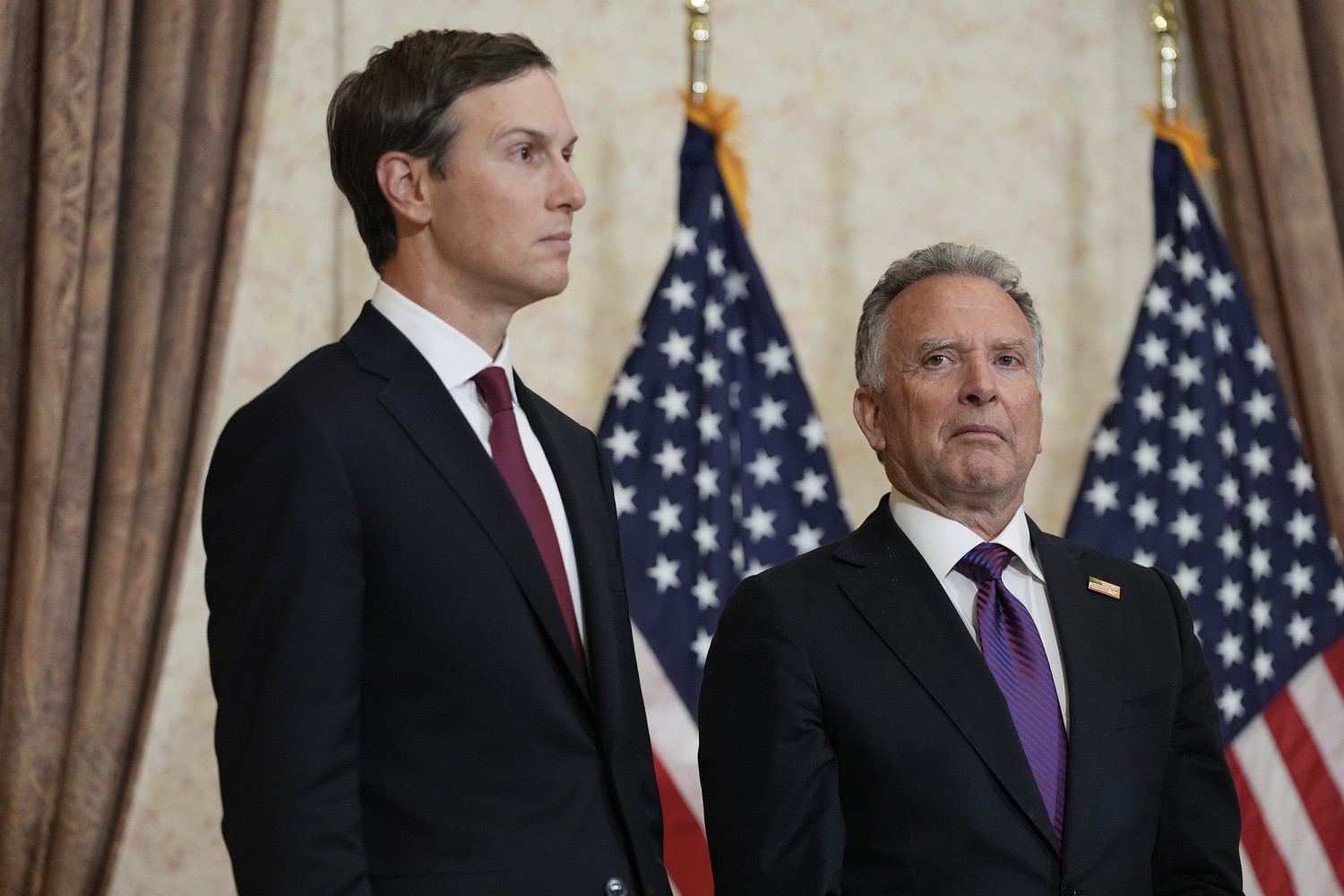
Seeking a rapid off-ramp to preserve the faltering ceasefire, U.S. President Donald Trump caught international diplomats off guard on Monday morning by announcing an immediate, high-level meeting in the Qatari capital. Writing on his Truth Social platform, Trump stated that Iran had requested the audience. White House Press Secretary Karoline Leavitt confirmed the administration was deploying a high-level team consisting of Special Envoy Steve Witkoff and the president's son-in-law, Jared Kushner, to lead both the diplomatic and technical talks in Doha.
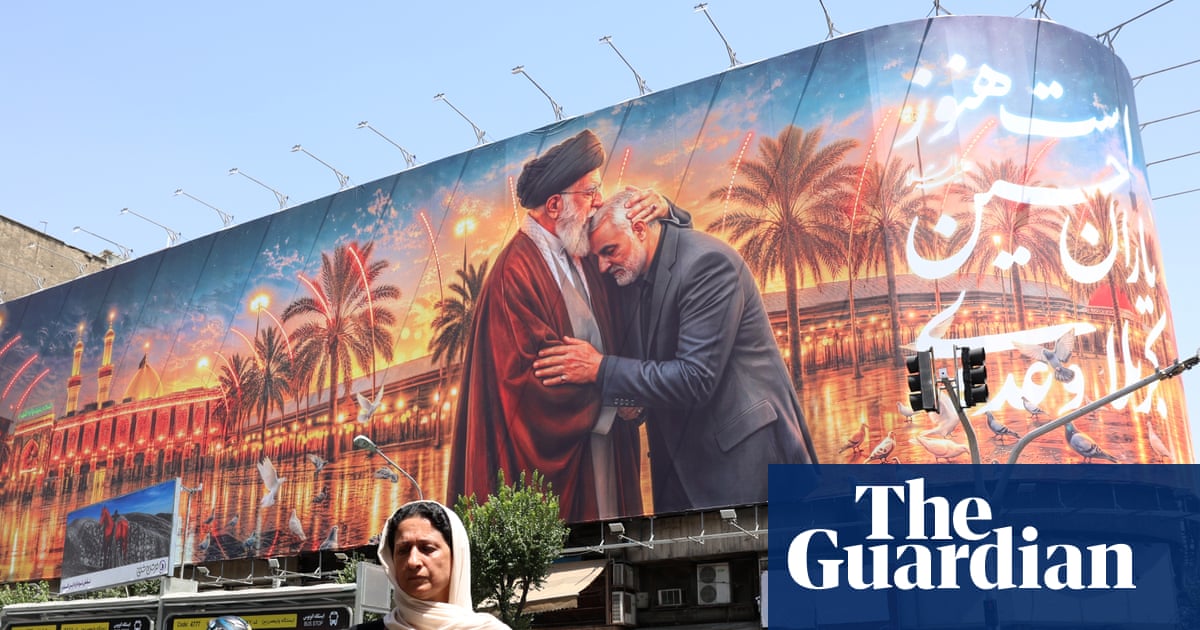
However, the diplomatic narrative fractured completely when Tehran explicitly denied that any direct negotiations had been scheduled. Iranian Foreign Ministry spokesperson Esmail Baghaei stated that while an expert Iranian delegation would travel to Doha later in the week, their visit was strictly confined to managing the return of frozen financial assets and bore no relation to the arrival of the American representatives. Iranian officials emphasize that under Clause 13 of the memorandum, formal negotiations for a final peace agreement cannot commence until initial clauses governing oil sales licenses and asset transfers are fully implemented.
Reactions & Responses
The contradiction in messaging has drawn sharp domestic and international criticism. U.S. Senate Democratic Leader Chuck Schumer slammed an official phone briefing provided by Witkoff and Secretary of State Marco Rubio, calling the presentation severely lacking in concrete elements.
After dragging America into a costly war, the Trump administration still can’t name a single thing Americans got in return. Instead, Secretary Rubio confirmed to me that Iran will reap billions in oil revenue while retaining dangerous leverage over the Strait of Hormuz.
In Iran, the public messaging remains highly calculated. Iranian President Masoud Pezeshkian has aggressively promoted the interim deal to domestic audiences, attempting to ease intense political pressure from hardline factions who accuse his reformist government of conceding too much to Washington.
Based on the plans made, $6 billion out of the total $12 billion of Iranian resources in Qatar will be released and returned to the country, and necessary follow-ups are being carried out.
Meanwhile, regional allies are signaling that the broader diplomatic framework is unraveling. In Lebanon, Parliament Speaker Nabih Berri openly criticized the U.S.-brokered truce between Israel and his country, flatly declaring that the agreement will not be implemented. This sentiment was mirrored by Israeli Defense Minister Israel Katz, who confirmed that Israel received explicit backing from U.S. Central Command to maintain its military presence in southern Lebanon, Syria, and Gaza until Hezbollah is completely disarmed.
The Bigger Picture
The immediate consequence of this diplomatic impasse is a compounding global energy and transport bottleneck. European powers have expressed deep worry over the fragile state of the truce. The German Foreign Ministry urged both capitals to return to the negotiating table, noting that a sustainable solution for the safe, free passage through the Strait of Hormuz is vital to global economic security. French President Emmanuel Macron announced that France is actively collaborating with Oman on a initiative to de-mine the strategic waterway.

However, even this maritime security plan has triggered further geopolitical friction. Iranian Deputy Foreign Minister Kazem Gharibabadi rejected the French proposal, asserting that the removal of naval mines will be carried out solely by Iran under the stipulations of the 14-point plan. He warned European nations against complicating an already delicate regional environment.
The Road Ahead
While direct face-to-face talks between the primary U.S. and Iranian envoys remain unconfirmed, indirect diplomacy is set to continue behind closed doors. Technical teams from both Washington and Tehran are scheduled to hold separate, isolated consultations with Qatari and Pakistani mediators on Wednesday in Doha to discuss de-escalation protocols and maritime management.
Frequently Asked Questions
Why are the U.S. and Iran giving conflicting statements about the Doha meeting?
President Trump announced that Iran requested a direct meeting on Tuesday to halt hostilities. Iran denied this, claiming its delegation is only visiting Doha to secure the release of $6 billion in frozen assets, likely an attempt by Iranian leadership to minimize domestic political backlash from hardline factions.
How has the conflict affected shipping traffic through the Strait of Hormuz?
Maritime traffic has slowed significantly. Daily ship transits have dropped from a pre-war average of over 100 vessels down to just 40 ships, forcing commercial tankers to bypass the Omani southern corridor in favor of an Iranian-approved northern route.
What are the main conditions of the U.S.-Iran interim peace deal?
The 14-point memorandum signed on June 17 gives both nations 60 days to negotiate a permanent truce. It includes U.S. sanctions waivers for Iranian oil sales and the partial release of $6 billion in frozen assets in exchange for Iran guaranteeing safe, charge-free commercial transit through the strait.