Trump escalates Iran rhetoric — blunt Truth Social posts fuel global tension
Three words. That’s all it took to jolt markets and rattle diplomats: a blunt warning posted by Donald Trump on Truth Social targeting Iran’s control of the Strait of Hormuz. Within hours, oil prices flickered, analysts scrambled, and Washington insiders started parsing every word. If you’re following this closely, you already know — this isn’t just about one post. It’s about what comes next.
The Bottom Line
- Trump used Truth Social to issue direct threats toward Iran over the Strait of Hormuz.
- The Strait handles roughly 20% of global oil supply, making any disruption a worldwide concern.
- Posts included unusually blunt language, signaling a sharper tone than previous statements.
- U.S. officials are weighing responses as tensions rise in the region.
- Markets reacted quickly, with energy prices showing early volatility.
Breaking It Down
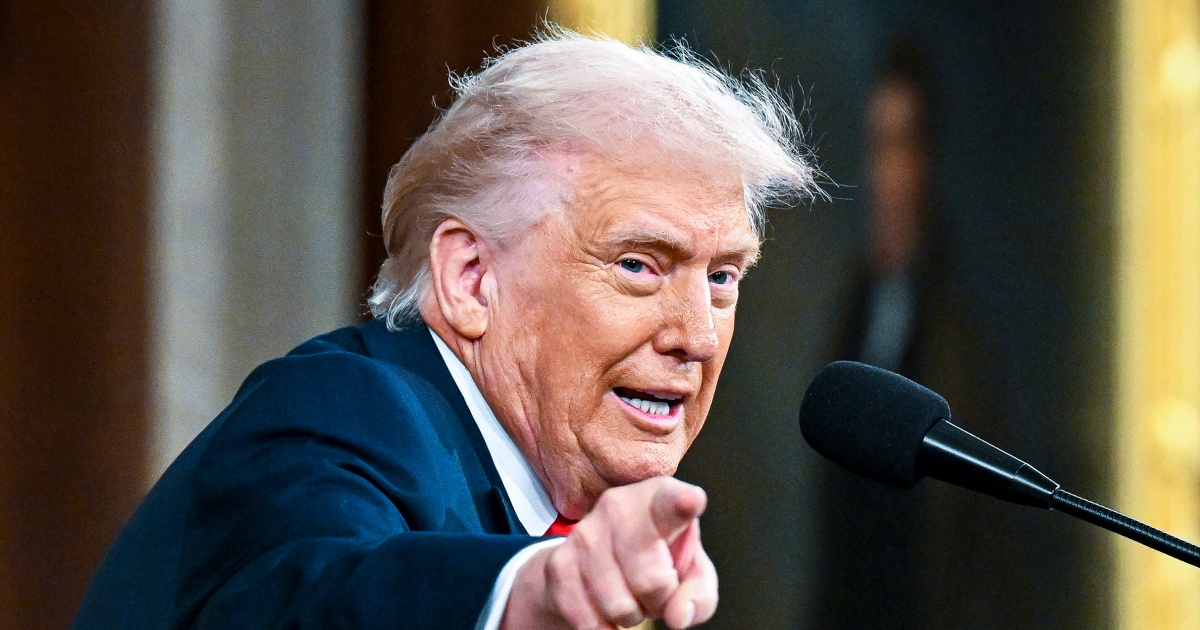
It started with a series of posts — short, direct, and unmistakably personal in tone. Trump took to his platform, Truth Social, to demand that Iran reopen access to the Strait of Hormuz, a narrow shipping lane between Iran and Oman that serves as a vital artery for global oil transport. When Tehran didn’t respond, the language escalated.
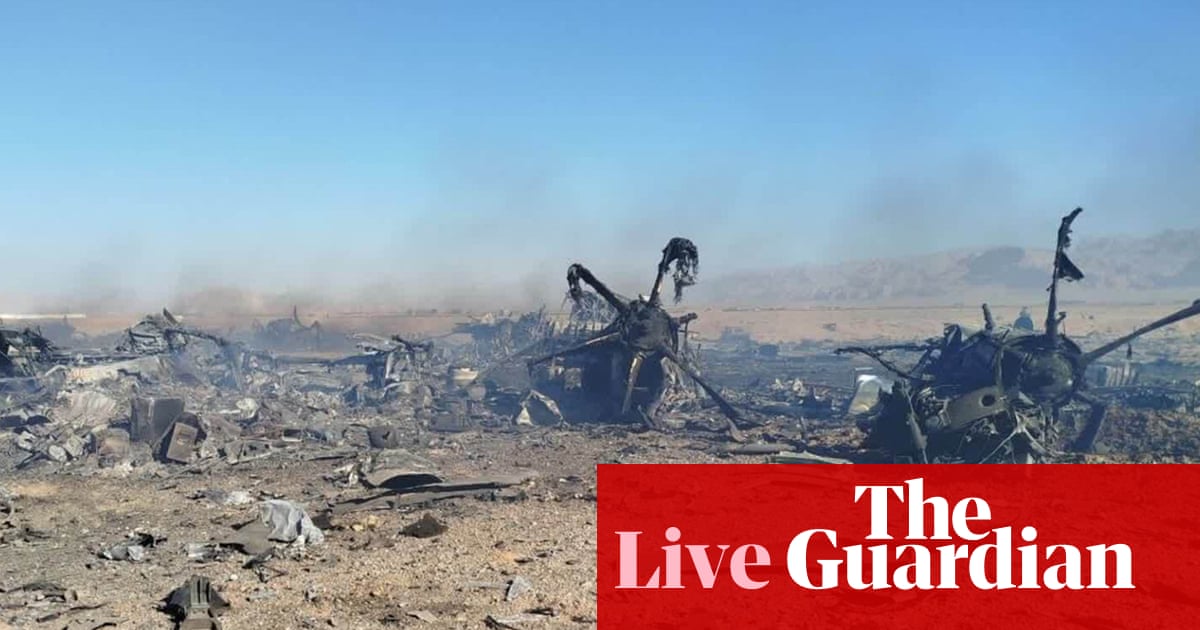
One message warned that failure to comply would lead to severe consequences, including potential strikes on energy infrastructure. You can read the full context via live updates here. Behind the scenes, officials and analysts began mapping out scenarios — from limited disruptions to broader conflict.

Meanwhile, reports indicated that the rhetoric wasn’t just symbolic. Military positioning in the region has been quietly reassessed, and allies are watching closely. A deeper dive into the evolving situation is available through this report.
Here’s the thing — this isn’t happening in a vacuum. Similar tensions have flared before, most notably in 2019 when tanker incidents briefly disrupted shipping. But this time, the tone feels sharper, more immediate. It’s like watching a pressure cooker with the lid rattling.
Why This Matters
For Californians, this isn’t just distant geopolitics. Any disruption in the Strait of Hormuz can ripple directly into gas prices at the pump. When supply tightens globally, prices in Los Angeles and San Francisco often climb within days. If you’ve ever filled up your tank and wondered why costs suddenly jumped — this is one of those moments.
There’s also a broader economic angle. Higher oil prices can push up shipping costs, affect grocery bills, and even slow down sectors like travel and logistics. What’s interesting is how quickly local effects follow global signals — sometimes within 48 hours.
And then there’s the political dimension. Trump’s use of Truth Social as a primary communication channel changes the dynamic. Instead of formal statements, policy signals now come through posts that can shift tone mid-day. You blink, you miss it — and markets react anyway.
What Comes Next
Diplomatic backchannels are likely to intensify over the coming days. Officials are expected to push for de-escalation while preparing contingency plans in case tensions rise further. Analysts are watching deadlines mentioned in recent statements as key markers.
If you’re tracking this story, keep an eye on energy markets and official briefings. The next move — whether diplomatic or military — could come quickly.
FAQ
Why is the Strait of Hormuz so important?
It’s a narrow waterway through which about 20% of the world’s oil supply passes daily. Any disruption can impact global energy prices almost immediately.
What did Trump say on Truth Social?
He issued warnings to Iran demanding access to the Strait and threatened consequences if conditions weren’t met. The tone was notably more direct than typical diplomatic statements.
Could this affect gas prices in California?
Yes. California often sees faster price increases due to global supply shocks, especially when oil transportation routes are threatened.
Is there a risk of military conflict?
There is concern among analysts, but outcomes depend on diplomatic efforts and responses from Iran and allied nations.
How do markets react to these statements?
Energy markets tend to respond quickly, with oil prices rising on uncertainty. Even short-term disruptions can trigger noticeable price changes.

Resources
Sources and references cited in this article.

