Last updated: November 2, 2026
US and Iran Prepare for Potential Escalation as Diplomatic Efforts Stumble
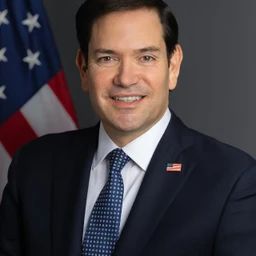
Tensions in the Middle East have reached a critical juncture as reports mount that the United States and Iran are bracing for renewed military action following the midterm elections. While U.S. Secretary of State Marco Rubio insists that Washington prefers a peaceful resolution, residents across the region are left anxious amid troop movements and unconfirmed strategic leaks.

What Triggered the Crisis
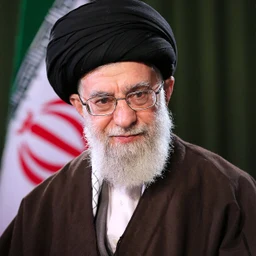
The underlying stalemate stems from an ongoing conflict that began in February when U.S. and Israel launched strikes on Iran that resulted in the death of Supreme Leader Ali Khamenei. Entering its eighth month, the confrontation has settled into a tense plateau without clear diplomatic progress or a decisive military victory for either side. Recent statements from Tehran, including an order from Iranian Supreme Leader Mojtaba Khamenei for the armed forces to prepare an immediate and unrestricted response to any threat, have amplified fears of a sudden military flare-up.
The Key Facts
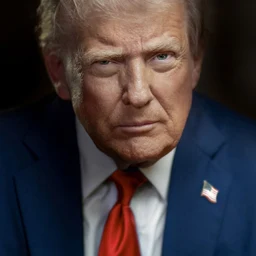
Reports from major news outlets indicate that the U.S. is reviewing options for renewed strikes targeting Iranian infrastructure and nuclear sites following the November 3 midterm elections. President Donald Trump remarked that the administration will either reach a deal or end the conflict directly, while simultaneously maintaining that military capabilities remain robust. Meanwhile, diplomatic channels remain active through intermediaries in Qatar, and U.S. Vice President JD Vance recently sent a letter to top Iranian security official Mohsen Rezaei.
Positions and Reactions
Reactions among lawmakers and regional observers have been sharply critical of the proposed next phases. Democratic Senator Chris Murphy publicly condemned the administration's military planning, describing the prospective strategy as dangerous and warning of severe escalation risks.
Their plan is insane.... It will lead to devastating escalation and the likely destruction of our commitment to the rule of law
At the same time, regional allies and expatriates living in Gulf nations are making practical preparations, such as remote work adjustments and travel reviews, while international business conferences proceed under heightened security.
What Is Still Unclear
Substantial ambiguity surrounds whether formal orders for renewed military strikes have been finalized or if ongoing backchannel diplomacy will yield a breakthrough before the post-election window. Details regarding specific targets, precise timelines, and the exact contents of ongoing negotiations remain undisclosed by official sources on both sides.
What Could Happen Next
Depending on the outcome of diplomatic talks and post-election political developments, the situation could pivot either toward a negotiated pause or a resumption of targeted military operations. Regional governments and international observers remain on high alert for immediate policy shifts from Washington and Tehran.
Frequently Asked Questions
Why are tensions rising between the U.S. and Iran right now?
Tensions are mounting due to reports that both nations are preparing for potential military strikes following the conclusion of the U.S. midterm elections, compounded by a stubborn diplomatic stalemate.
What has the U.S. government said about using military force?
U.S. officials have stated that while a peaceful, diplomatic resolution is preferred, the country maintains the military capability to act if necessary.
How are regional countries responding to the potential escalation?
Residents and businesses across Gulf nations are taking precautionary measures, such as monitoring travel advisories and adjusting work arrangements, while local authorities monitor security developments.
Are diplomatic negotiations still ongoing?
Yes, quiet diplomacy continues through intermediaries in locations like Qatar, and direct communications have occurred via official letters between governments.