
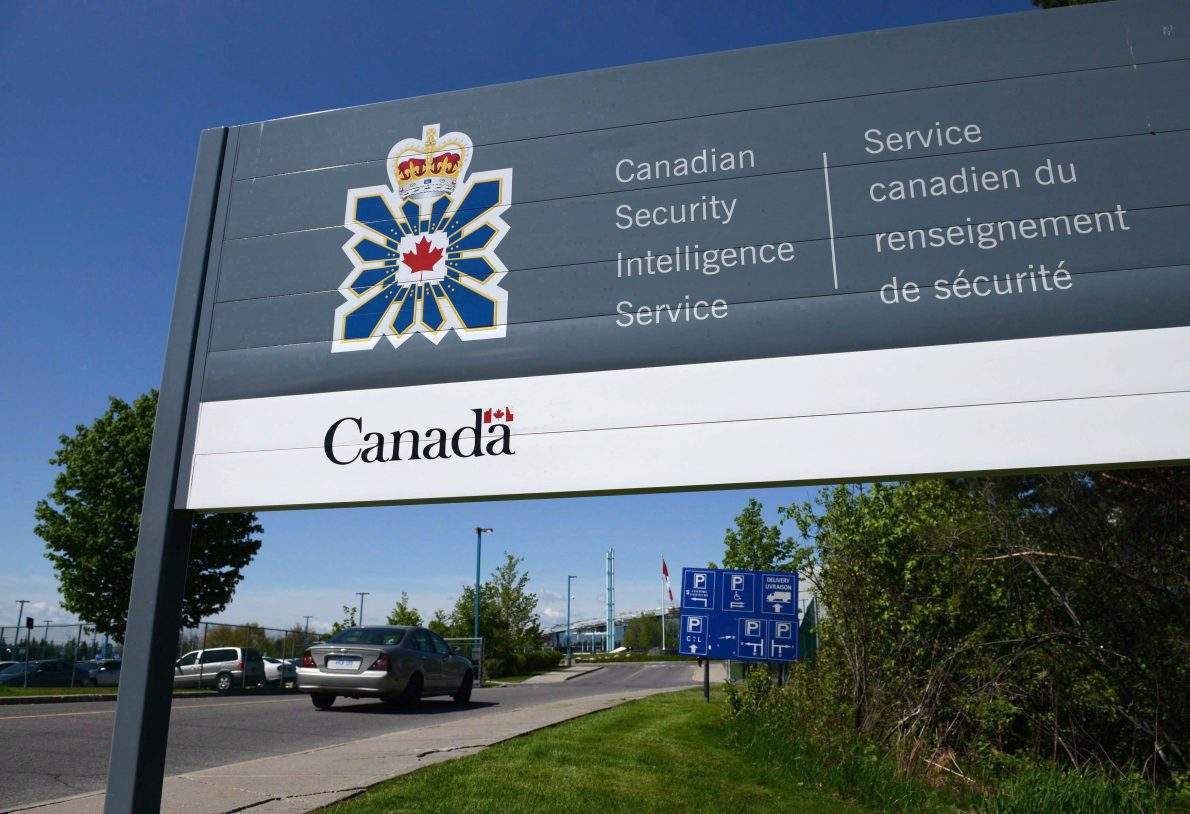
The warning isn’t subtle: Canada’s intelligence agency says threats at home are getting more complex—and younger. In its latest assessment, officials point to a rise in youth radicalization alongside persistent foreign interference from major global players. It’s a double pressure point, and it’s unfolding at a time when online ecosystems move faster than policy can keep up.
That mix—digital influence, geopolitical rivalry, and vulnerable communities—has security analysts on edge. And for Canadians, it raises a simple question: how close is this to everyday life?

What We Know So Far
Canada’s intelligence service says the nature of violent extremism is shifting. It’s no longer confined to traditional networks or ideologies. Instead, it’s fragmented, often fuelled by online communities, and increasingly difficult to track. The agency notes that youth are being drawn into extremist thinking through digital platforms, where algorithms can amplify fringe content quickly.
Meanwhile, foreign interference remains a core concern. Reports identify countries like China and India as active players in influencing Canadian institutions and communities. This isn’t just about espionage—it extends to political processes, diaspora groups, and even local-level influence campaigns.
The overlap is what makes it tricky. When foreign actors exploit existing divisions or grievances, it creates fertile ground for radicalization. One feeds the other. That’s the pattern analysts are watching closely.
There are also specific security concerns tied to extremist movements with international links. Intelligence findings suggest some groups maintain strong connections abroad while operating within Canada, including the ability to redirect funds or mobilize support networks.
For context, Canada has faced foreign interference allegations before—especially around elections and diaspora politics. But what’s different now is the scale and speed. Digital tools have changed the game, and as one official put it, it’s no longer a slow burn—it’s a flashpoint environment.
Voices & Opinions
“The threat landscape is evolving, and it’s becoming more complex to counter.”
“Youth are increasingly exposed to extremist narratives online, often without clear safeguards.”
Experts say the issue isn’t just about policing—it’s about prevention. That means education, digital literacy, and community engagement. Here’s the thing: once someone is deep in an online echo chamber, pulling them back isn’t easy.
Local Impact
If you’re living in Canada, this isn’t some distant geopolitical chess match. It touches schools, social media habits, and even community events. Parents, educators, and local leaders are being asked to stay alert to signs of online radicalization.
On the political side, interference concerns can shape how elections are monitored and how public trust is maintained. That matters in a country that prides itself on transparency.

And then there’s the broader social impact. Communities tied to global conflicts can feel the ripple effects locally. It’s a small world after all—and sometimes that closeness brings tension.
Coming Up
Expect more scrutiny in the months ahead. Government agencies are likely to roll out updated policies on digital safety and foreign interference. Parliamentary committees may revisit past investigations, especially as new evidence surfaces.
There’s also growing pressure for tech platforms to take a stronger role in moderating extremist content. Whether that happens quickly is another story.
At a Glance
- Youth radicalization in Canada is rising, driven largely by online content.
- Foreign interference from major countries remains a persistent concern.
- Extremism is becoming more decentralized and harder to track.
- Community-level impacts include education, social cohesion, and political trust.
- Policy responses are expected to focus on prevention and digital regulation.
FAQ
What is CSIS warning about?
They’re highlighting rising youth radicalization and ongoing foreign interference in Canada.
Which countries are involved in interference?
Reports mention China and India as key actors, among others.
Why are youth more vulnerable now?
Online platforms expose them to extremist content more easily and frequently.
How does this affect everyday Canadians?
It impacts schools, social media use, and public trust in institutions.
What is being done about it?
Authorities are focusing on prevention, policy updates, and digital safety measures.
Is this a new issue?
Not entirely, but the scale and speed have increased significantly in recent years.