
Last updated: April 2, 2026
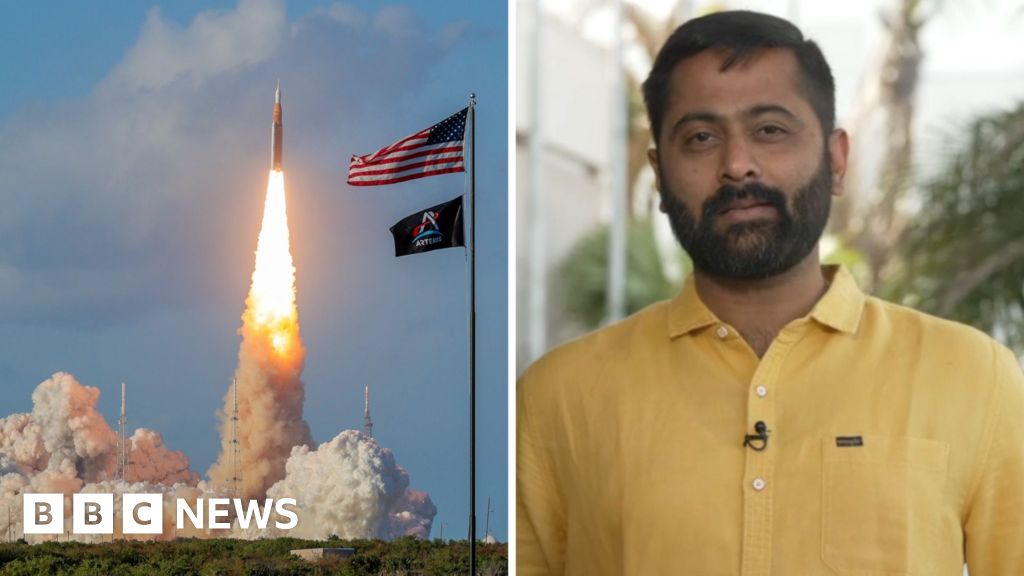
The rumble of the SLS rocket has faded into the Florida coastline, replaced by the sterile, rhythmic hum of the Orion spacecraft as it tears through the vacuum of space. Four astronauts are currently hurtling away from our blue marble, marking the first time humans have ventured this far into the cosmic dark in over 50 years. Following a flawless launch, NASA and the crew have officially received the 'Go' for the critical Translunar Injection burn that will slingshot them toward the lunar far side.

How Events Unfolded
The mission reached a pivotal milestone on Flight Day 2 as mission control in Houston polled 'Go' for the maneuver that effectively breaks Earth’s gravitational chains. After spending their initial hours in a High Earth Orbit to test life support systems, the crew—including Canada's own Jeremy Hansen—is now transitioning from orbital passengers to deep-space explorers. NASA confirmed the propulsion systems are performing nominally, setting the stage for the most ambitious leg of the journey.
For Canadians, the stakes feel personal. Jeremy Hansen isn't just a passenger; he represents decades of Canadian aerospace investment and expertise. Seeing a Maple Leaf on a flight suit heading toward the lunar horizon is the kind of once-in-a-blue-moon moment that defines a generation. The crew has already shared breathtaking first images of Earth, a shrinking marble of blue and white that serves as a stark reminder of the isolation of their current environment.
Critical Details
You might be wondering why, after all this build-up, the crew isn't actually stepping onto the lunar surface. It’s a fair question. Artemis II is designed as a 'Free Return' trajectory mission. Think of it as the ultimate stress test. Before we send astronauts down to the dust, NASA needs to ensure that the Orion capsule can keep four humans alive in the deep radiation and thermal extremes of space for 10 days.
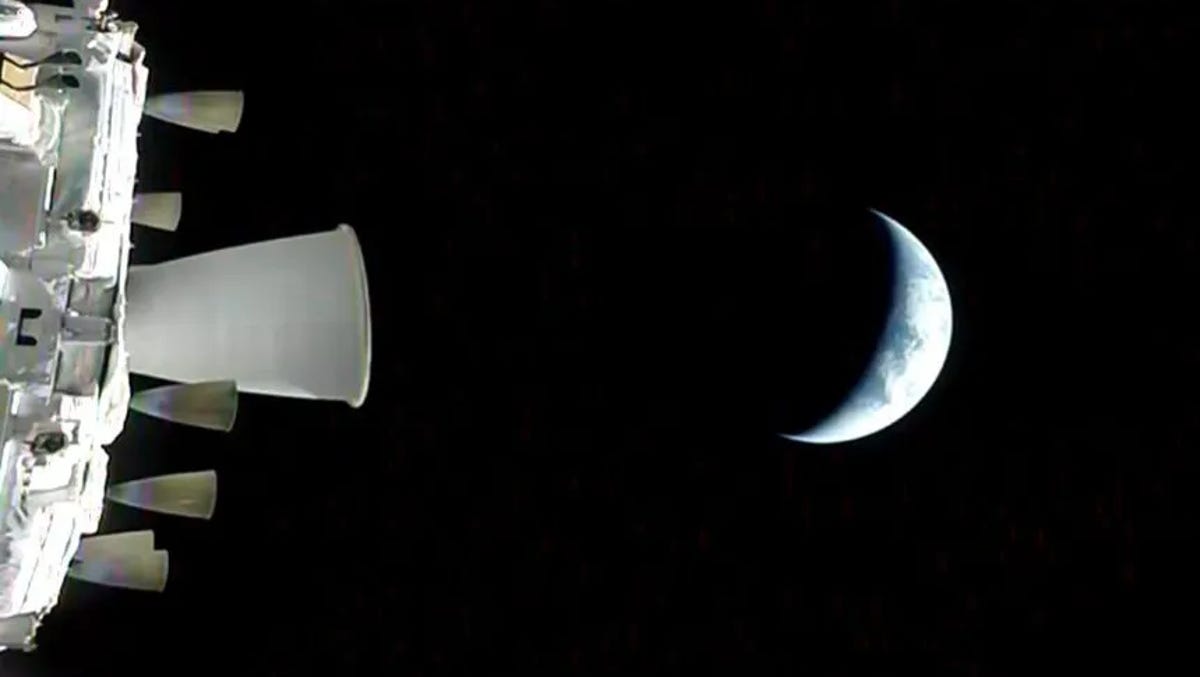
The complexity of this mission lies in its engineering caution. Unlike the Apollo missions, Artemis II uses the Moon's gravity as a natural U-turn. If anything goes wrong with the engines after the lunar flyby, physics simply pulls the crew back home. Better safe than sorry is the mantra here, especially when you're 370,000 kilometers away from the nearest repair shop.
Reactions & Responses
The atmosphere at the Canadian Space Agency and NASA centers is one of focused adrenaline. This isn't just about flags and footprints; it's about validating the hardware that will eventually take us to Mars. Experts suggest that the success of this TLI burn is the single most dangerous hurdle of the mission's outbound leg.
We are seeing the hardware perform exactly as it did in the simulations. The crew is composed, focused, and ready for the moon.
Putting It in Perspective
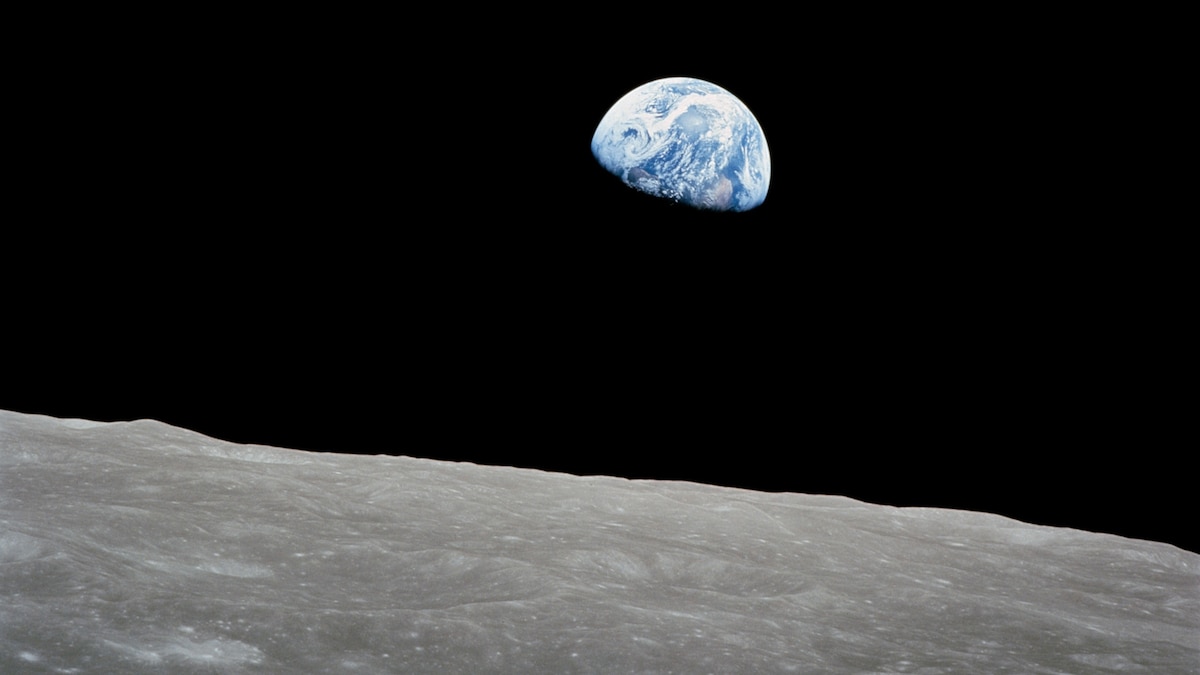
This mission isn't just a win for scientists; it's a massive boost for the local tech sectors in hubs like Montreal and Toronto, where much of the Canadian space tech is birthed. The ripple effects of Artemis II will be felt in everything from satellite communications to remote medical technology. More symbolically, the crew has a chance to recreate the iconic 'Earthrise' photo, potentially providing a new perspective on our planet’s fragility for the social media age.
Looking Ahead
What's next? The spacecraft is now on its multi-day trek to the moon. We are looking at April 5th for the closest lunar approach. During that time, the crew will pass behind the lunar far side, losing all communication with Earth for a few heart-pounding minutes. Once they swing around, they'll begin the long journey back for a high-speed splashdown in the Pacific Ocean. Stay tuned to live trackers to watch their progress in real-time.
FAQ
Why isn't Artemis II landing on the Moon?
This is a test flight to ensure all life-support and navigation systems are safe for humans in deep space before the Artemis III mission attempts a landing in 2026 or 2027.
Who is the Canadian astronaut on the mission?
Jeremy Hansen is representing Canada on this mission, making Canada the second country in history to have an astronaut travel to deep space.
How long will the mission last?
The total mission duration is expected to be approximately 10 days, concluding with a splashdown in the Pacific Ocean.