
Last updated: June 5, 2026
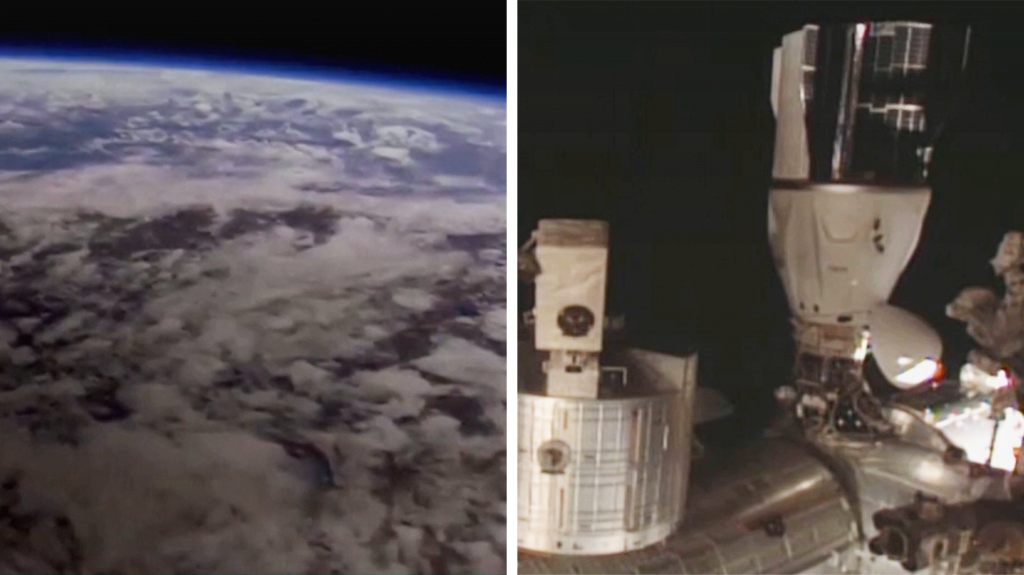
Canadians have a direct stake in what happens aboard the International Space Station. The country remains a key partner in the orbital laboratory, and every safety incident offers a reminder of how complex long-term space operations have become. On Friday, astronauts were temporarily directed to shelter inside spacecraft attached to the station while teams monitored repairs linked to a persistent air leak concern.
The precautionary order was later lifted, allowing crew members to return to normal duties. Officials emphasized that the astronauts were never in immediate danger, but the incident highlighted the ongoing challenge of maintaining aging infrastructure hundreds of kilometres above Earth.

The Backstory
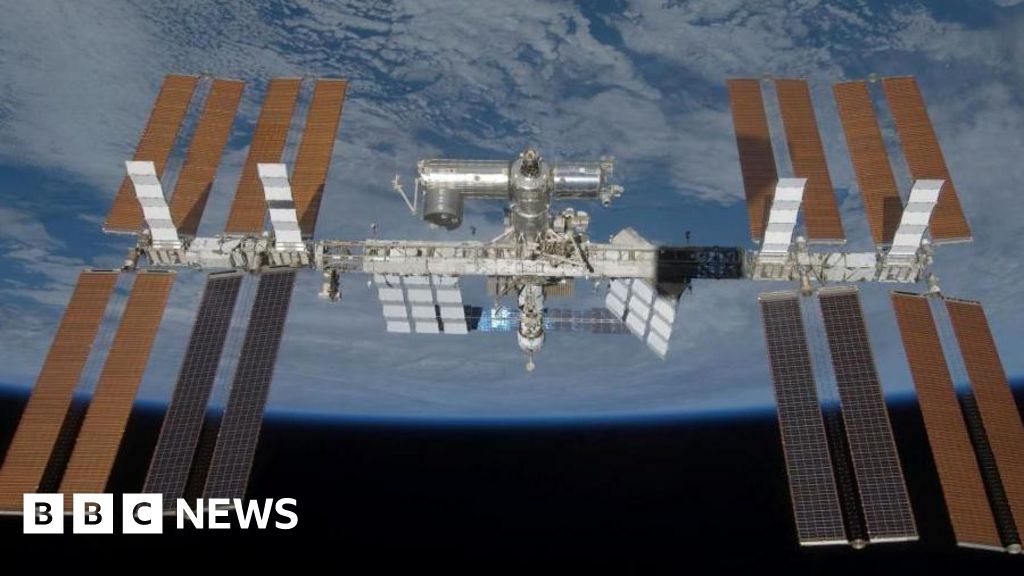
The air leak issue is not entirely new. Engineers have spent years tracking small pressure losses associated with sections of the station, particularly within the Russian-operated Zvezda service module. While tiny leaks are not unusual in spacecraft, recurring repairs require close monitoring because even minor pressure changes can become significant over time.
The ISS has been continuously occupied for more than two decades. That longevity is a remarkable achievement, but it also means some systems are operating well beyond their original design expectations. Maintenance, inspections and repair campaigns have become increasingly important as international partners prepare for the station's later years.
For Canadian readers, the story carries added relevance because Canada remains deeply involved in station operations through robotics, astronaut participation and scientific research. Any operational disruption can affect experiments and long-term planning for future missions.
Here's What Happened
The situation escalated when mission controllers instructed crew members to move into docked spacecraft while specialists assessed conditions during a leak-repair effort. The sheltering procedure is a standard safety measure designed to ensure astronauts can quickly depart if circumstances change.
As engineers reviewed pressure readings, operations teams closely watched data coming from the affected section of the station. The move prompted widespread attention because emergency protocols aboard the ISS are rarely activated unless controllers believe caution is warranted.
Several hours later, officials reversed the shelter order. Astronauts exited their spacecraft and resumed regular activities after assessments suggested the immediate concern had eased. Repair work was paused while engineers continued reviewing data and determining the next steps.
What's interesting is that the response demonstrated how multiple space agencies coordinate in real time. Decisions involved mission controllers, engineering specialists and station leadership working across continents.
What People Are Saying
NASA officials stressed that the precautionary measures worked exactly as intended. The crew remained safe throughout the event, and the station continued operating while teams gathered information.
The crew was directed to shelter as a precaution while teams evaluated the situation.
Spaceflight experts noted that incidents like this are part of managing a complex orbiting laboratory. They point out that procedures exist specifically for these scenarios, allowing astronauts to react quickly while engineers investigate.
The station's safety systems are designed with multiple layers of protection.
If you're following human spaceflight closely, that may be the most reassuring takeaway. The systems built for contingencies were tested and functioned as planned.
The Bigger Picture
This event arrives as international partners consider the future of low-Earth orbit operations. Aging hardware, maintenance costs and long-term reliability are becoming increasingly important topics as agencies prepare for eventual transitions to commercial stations.
The incident also highlights the balance between caution and continuity. A temporary shelter order can sound dramatic, but such actions are intended to prevent problems from becoming emergencies.

For Canada, continued participation in international space programs depends on confidence in operational safety. Incidents like this reinforce why ongoing investment in monitoring technology and spacecraft maintenance remains essential. As the saying goes, better safe than sorry.
The Road Ahead
Engineers are expected to continue studying pressure data and assessing the effectiveness of recent repair efforts. Additional inspections may follow if teams identify areas requiring further attention.
Meanwhile, station operations and scientific work are continuing. No major changes to crew activities have been announced following the reversal of the shelter order.
FAQ
Why were astronauts told to shelter?
Mission controllers used a precautionary safety procedure while evaluating air leak repair efforts and monitoring station pressure data.
Was the International Space Station evacuated?
No. Crew members moved into docked spacecraft temporarily but later returned to normal operations.
Is the air leak a new problem?
The station has experienced concerns related to small leaks before, particularly in older sections that have undergone repeated inspections and repairs.
Does this affect Canadian space activities?
Not directly at the moment, but station operations are important to Canadian research, robotics and astronaut programs.
What happens next?
Engineers will continue reviewing data and determining whether additional repair work or inspections are necessary.