Controversy in Anaheim: Oilers Pushed to Brink After Heartbreaking OT Loss
The Honda Center was a pressure cooker on Sunday night, pulsating with the kind of playoff energy that makes your palms sweat. For the Edmonton Oilers, a 3-2 lead felt like a lifeline until the final frame dissolved into a chaotic scramble, ending with a Ryan Poehling goal that has the entire hockey world checking the rulebook. In the blink of an eye, what could have been a series-tying celebration turned into a silent locker room and a daunting 3-1 series deficit.

How Events Unfolded
This wasn't just a game; it was a heavyweight bout where neither side wanted to blink. Edmonton came out swinging, desperate to avoid the hole they now find themselves in. Ryan Nugent-Hopkins and the Oilers' power play looked sharp early, clawing their way to a 3-2 lead heading into the third period. The strategy was clear: lock it down and head back to Rogers Place with a clean slate. Easier said than done.
Anaheim refused to go away. The Ducks rallied twice, showing a resilience that has defined their postseason run so far. They pressured the Oilers' defensive zone relentlessly, eventually forcing the equalizer that sent the game into the sudden-death drama of overtime. Every hit felt heavier, and every shot felt like a season-ender.
Then came the moment that will be debated on sports radio for weeks. Ryan Poehling found the back of the net past Tristan Jarry, but the play was immediately scrutinized for potential goalie interference. After a tense review, the officials upheld the call on the ice. Just like that, the scoreboard flashed 4-3, and the Oilers' season hit a state of emergency.
Critical Details
Why did this happen? For Edmonton, it’s a story of missed opportunities and a defensive structure that bent until it finally snapped under the Ducks' forecheck. Despite Connor McDavid's best efforts to carry the offensive load, the Oilers couldn't find the insurance marker they so desperately needed in the third period. The underlying stats tell a grim story: the Ducks outshot Edmonton in the final twenty minutes, capitalizing on the exhaustion of the Oilers' top lines.
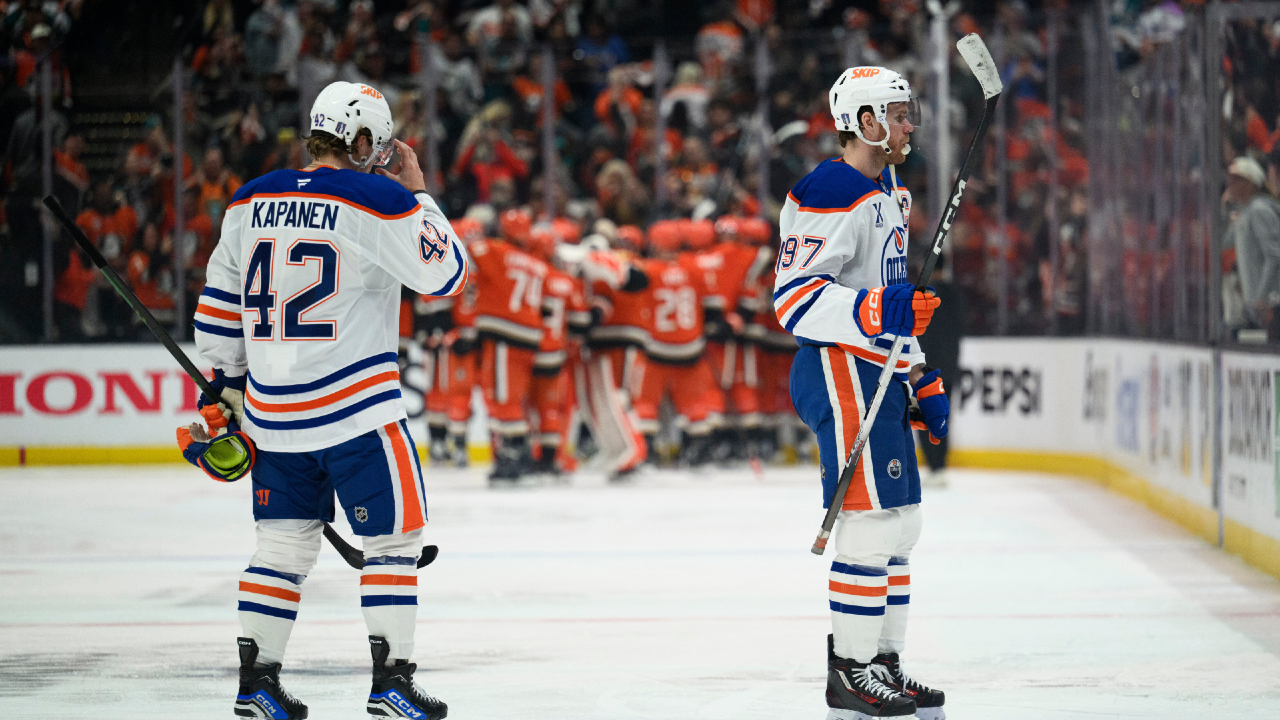
The controversial nature of the winning goal adds a layer of psychological frustration. In the high-stakes environment of the Stanley Cup Playoffs, momentum is everything. Losing on a play that felt 'gray' to many fans can either galvanize a team or crush their spirit. For a team with championship aspirations like Edmonton, this 3-1 deficit is a statistical mountain; only about 10% of teams in NHL history have come back from such a margin in the opening round.
Reactions & Responses
The hockey world didn't hold back after the final horn. Fans and analysts took to social media to dissect the OT winner, with 'That's a goal' trending alongside 'Goalie interference.' The divide was sharp, reflecting the subjective nature of the crease-protection rules.
It's a tough pill to swallow when you feel like you've done enough to win. We have to flush this, learn from it, and realize our season is on the line now.
On the other side, the Ducks are riding a wave of local euphoria. Jeffrey Viel and the supporting cast have provided the depth scoring that was expected to be Edmonton's advantage. Anaheim coach Greg Cronin praised his group's 'never-quit' attitude, noting that they anticipated a push from a desperate Oilers squad and stood their ground.
Putting It in Perspective
For us here in Edmonton and across Alberta, this isn't just about a box score. The Oilers are a cultural heartbeat, and a first-round exit would be a massive blow to the city's sports identity and the local economy that thrives during a deep playoff run. The ripple effects are real—bars, restaurants, and jersey shops all feel the weight of a Game 4 loss. The writing is on the wall, but it's not finished yet.

Historically, the Oilers have been here before, though rarely with this much elite talent on the roster. This loss forces a fundamental question: is this group built for the grind of the postseason, or is the window closing? The next 60 minutes of hockey will define the legacy of this current core.
Looking Ahead
The series now shifts back to Edmonton for a do-or-die Game 5. The Oilers are officially on the brink of elimination, needing to win three straight games to survive. Tristan Jarry will likely remain in the spotlight as the team looks for a save that can turn the tide. If they can’t find a way to stop Anaheim's momentum at home, the 'Oil Drop' will be heading into a very long, very cold offseason much earlier than anyone expected.
FAQ
What was the final score of the Oilers vs. Ducks Game 4?
The Anaheim Ducks defeated the Edmonton Oilers 4-3 in overtime on April 26, 2026.
Who scored the winning goal in overtime?
Ryan Poehling scored the controversial game-winner for the Ducks, which was upheld after a video review for goalie interference.
What is the current series record?
The Anaheim Ducks lead the best-of-seven series 3-1 against the Edmonton Oilers.
When is Game 5 of the Oilers-Ducks series?
Game 5 is scheduled to take place at Rogers Place in Edmonton as the Oilers face elimination.

Resources
Sources and references cited in this article.

