Matt Brash exits after 2 pitches: what the injury scare means
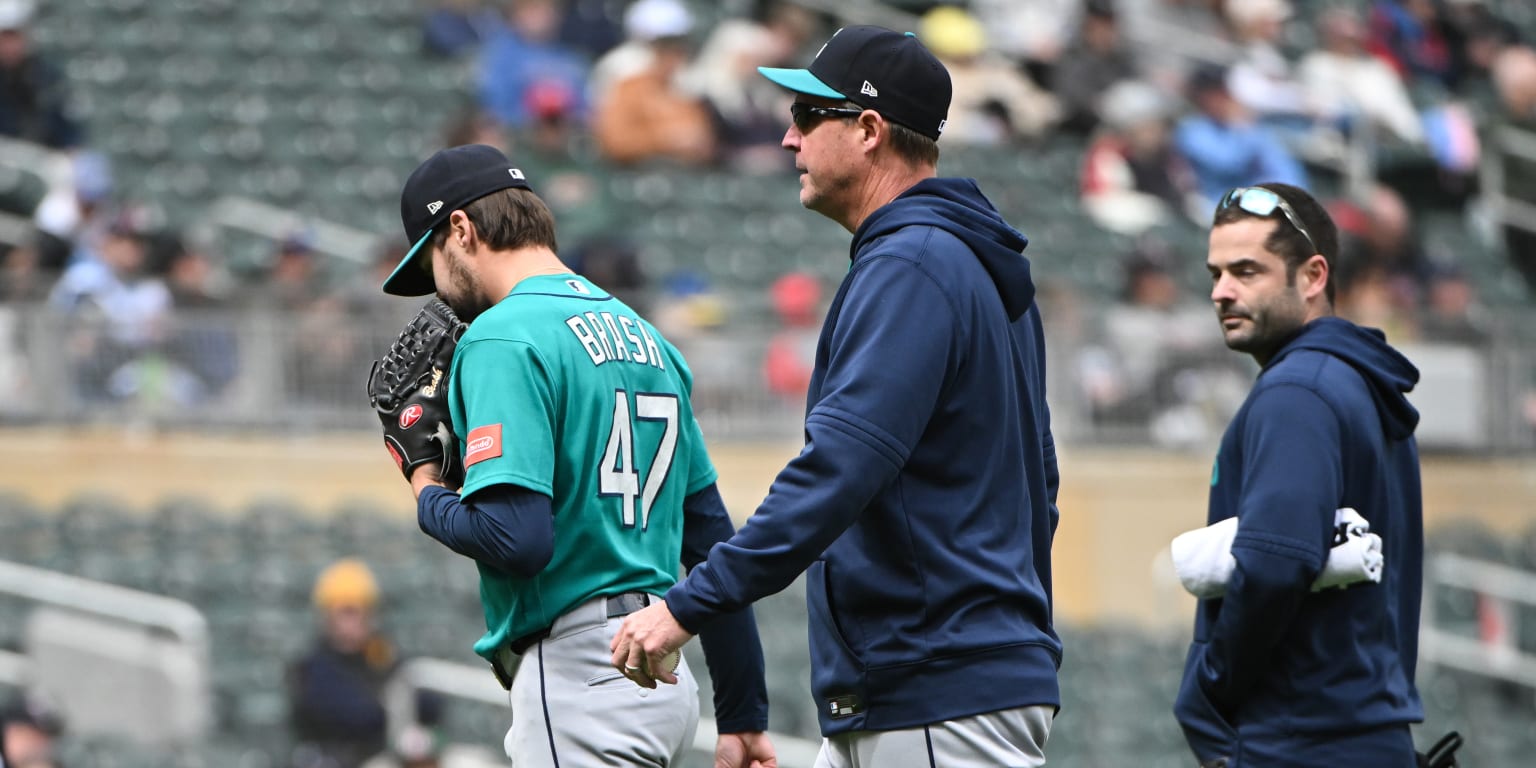
The mound felt quiet, almost awkward. Two pitches in, and suddenly all eyes shifted—not to the batter, but to the dugout. Matt Brash walked off early, leaving a game that had barely begun for him.
Within minutes, the story was clear: the Seattle reliever had exited with discomfort in his side. Early reports pointed to soreness, raising immediate questions about his availability and what comes next for the Mariners bullpen.
How Events Unfolded
It happened fast. Brash took the mound, delivered just two pitches, then paused. A quick conversation followed—trainer, catcher, manager—and the decision came almost immediately.
He walked off under his own power, which usually offers some relief. Still, for a pitcher, anything involving the side or torso can be tricky. Those muscles drive velocity, control, everything.
Meanwhile, the Mariners had to pivot mid-inning. Bullpen adjustments came earlier than planned, shifting the rhythm of the game. If you're following closely, you know how that domino effect can stretch a pitching staff over the next few days.
And here's the thing—this wasn’t a dramatic collapse or visible strain. It was subtle. Sometimes, those are the ones teams worry about most.
Critical Details
Initial updates pointed to side discomfort, not a confirmed tear or major injury. That’s important. In baseball terms, “side” often refers to the oblique area—a muscle group pitchers rely on for rotation and power.

Why does this matter? Because oblique injuries don’t always show immediate severity but can linger. A mild strain might mean a short rest. A deeper issue? That could stretch into weeks on the injured list.
Brash has been a key arm for Seattle, especially in high-leverage situations. Losing him—even temporarily—forces the team to reshuffle late-game roles. That’s not just strategy; it’s confidence and rhythm.
For Canadian fans watching closely—Brash, born in Ontario, carries a bit of national pride. Seeing him exit early hits a little closer to home.
Reactions & Responses
Team officials kept things measured postgame. No panic, but no clear timeline either. That uncertainty tends to linger longer than any single pitch.
He just felt something in his side and didn’t want to push it.
Players echoed a similar tone—supportive, cautious. In a long season, the priority shifts quickly from tonight’s result to long-term availability.
Fans, though, reacted instantly. Social feeds filled with concern, speculation, and one recurring thought: better safe than sorry. Play it smart, not tough, as the saying goes.
Putting It in Perspective
Injuries like this aren’t new. Over the past few seasons, oblique strains have quietly become one of baseball’s more frustrating setbacks—hard to predict, slow to fully heal.
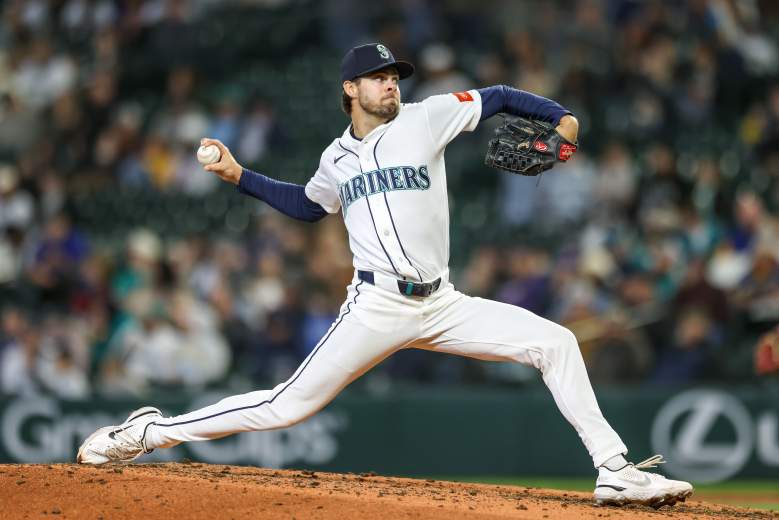
For Seattle, the timing matters. Early-season injuries can shape bullpen usage for months. One missing arm can lead to overuse elsewhere, and that ripple effect builds.
For Canadian viewers, it’s another reminder of how thin the margin is at the top level. One pitch. One tweak. Suddenly, everything shifts.
What's interesting is how quickly teams adapt. If Brash is out short-term, expect a mix of internal promotions and role changes. If longer? The front office might start scanning the market.
Looking Ahead
Next steps are straightforward but crucial: imaging, evaluation, and a clearer diagnosis. The team will likely monitor him day-to-day before deciding on any roster move.
If you're tracking this, watch for updates over the next 48–72 hours. That window usually brings clarity—whether it’s a quick return or a longer absence.
Until then, it’s a waiting game. And in baseball, those can feel longer than nine innings.
FAQ
What injury did Matt Brash suffer?
He left the game with side discomfort, likely involving the oblique muscles.
How serious is an oblique injury?
It varies. Mild strains can heal in days, while more severe cases may take weeks.
How many pitches did Brash throw before exiting?
Just two pitches before leaving the game.
When will more updates be available?
Typically within 48–72 hours after further medical evaluation.
How does this affect the Mariners?
It could impact bullpen roles and late-game strategy if he misses time.

Resources
Sources and references cited in this article.

