Novak Djokovic returns to Rome chasing history amid fitness concerns
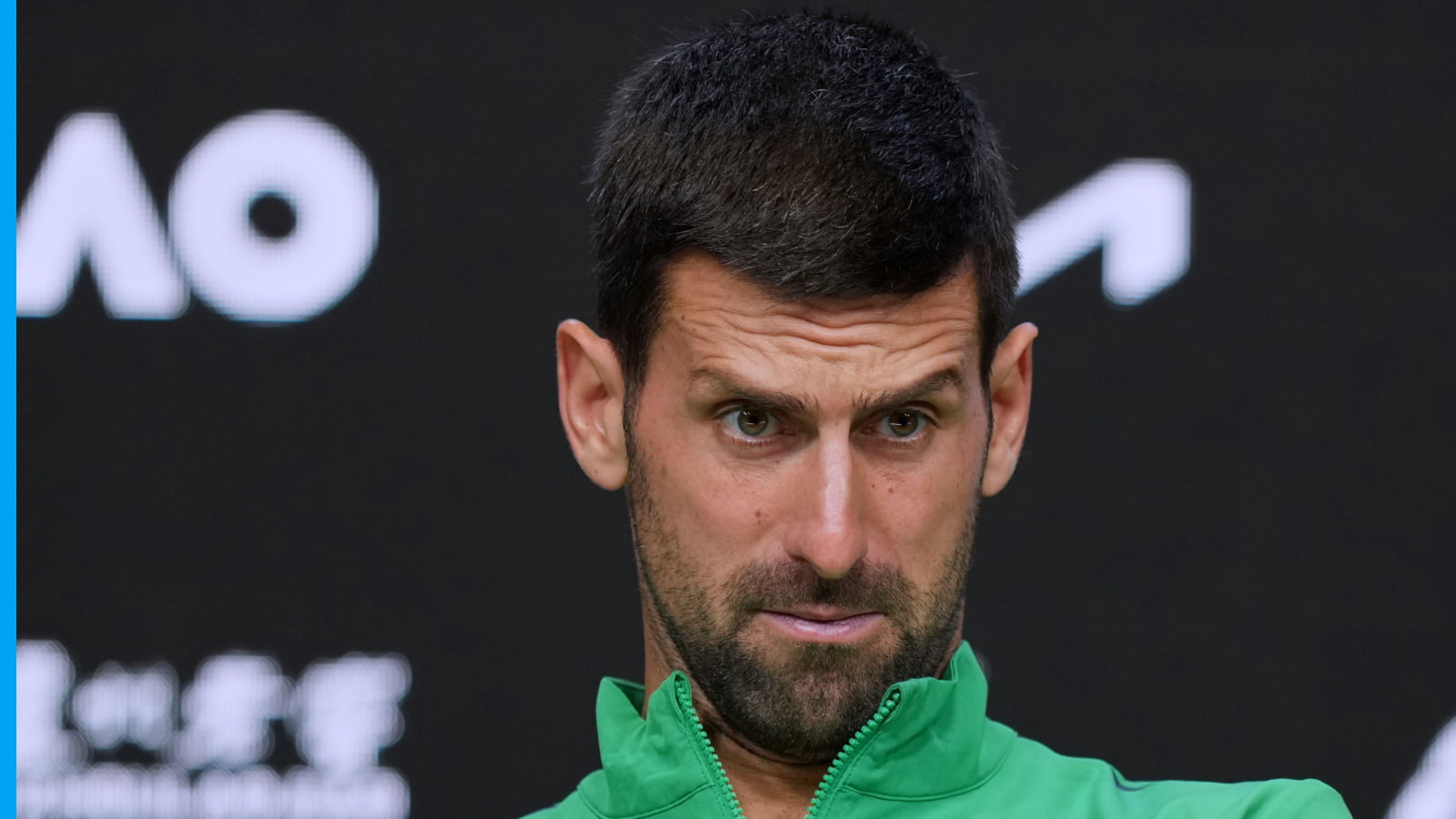
The red clay in Rome looked heavy under the evening lights this week, and there was still one name echoing louder than the rest around Foro Italico: Novak Djokovic. Fans crowded practice courts, phones in the air, waiting for a glimpse of a player trying to reset his season while chasing something tennis has never seen before — Grand Slam title number 25.
Djokovic is back at the Italian Open after a rocky European clay stretch filled with questions about scheduling, fitness and momentum. The Serbian star has openly criticized the ATP calendar in recent days, saying the modern tennis grind leaves little room for recovery, especially for veterans still expected to compete deep into every major event.
For Canadian tennis fans, the timing matters. Roland-Garros is just around the corner, and the clay swing often shapes what happens later in Montreal and Toronto during the hard-court season. If you're following the ATP race closely, this stretch could determine whether Djokovic enters summer as a favourite again — or as a legend battling time.
How Events Unfolded
Djokovic arrived in Rome carrying more uncertainty than usual. That's rare territory for a player who spent years turning clay-court events into routine deep runs.
His European clay campaign started quietly and never really found rhythm. Early exits, physical discomfort and inconsistent movement sparked chatter across the tennis world. Then came his comments about the ATP schedule, where he argued players are dealing with a packed calendar that keeps expanding while recovery windows shrink.
Meanwhile, his return to the Italian Open comes with a strange twist: he even had to wait longer than expected to discover his first opponent because of scheduling delays around the draw. It's the sort of small disruption that normally wouldn't matter much. But when a player is already trying to rebuild confidence, every detail suddenly feels magnified.
What's interesting is how quickly the conversation around Djokovic has shifted. A few months ago, the focus was on dominance. Now it's about durability. That's a massive change for someone who built his career on looking physically untouchable in five-set battles.
Still, Rome has historically been one of his safest places on tour. He knows these courts. He knows the slower conditions. And when the chips are down, Djokovic usually finds another gear.
The Fine Print
The scheduling criticism didn't appear out of nowhere. Players across both tours have quietly raised concerns for years about travel demands, late-night matches and compressed tournament calendars. Djokovic just happens to be the biggest voice willing to say it publicly right now.
For athletes in their late 30s, recovery becomes part of the competition itself. Djokovic turns 39 this month, yet he's still expected to play a near-full schedule while younger stars push the pace physically. That's part of why his chase for a 25th Grand Slam matters beyond tennis trivia. Nobody has maintained this level for this long in the men's game.
There's also the psychological side. Djokovic has spent two decades entering tournaments as the hunted player. Recently, though, younger contenders have started treating matches against him less like impossible missions and more like opportunities.
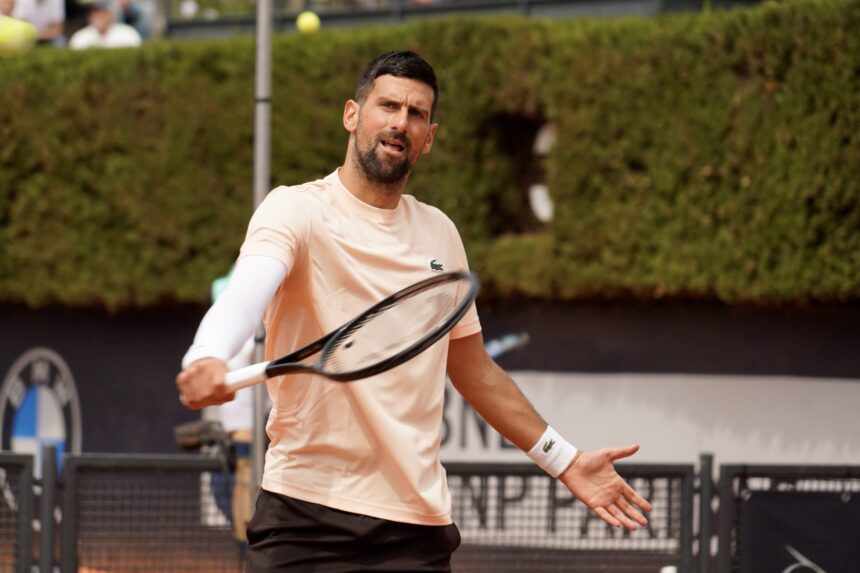
If you're watching from Canada, you might notice similarities with what happened late in Roger Federer's career. The aura stays. The crowd support stays. But the physical margin gets thinner. One awkward movement or long rally can suddenly swing an entire tournament.
Even so, writing off Djokovic has burned people before. Just ask anyone who doubted him before previous Slam runs. Bet against him at your own risk.
The Response
Tennis insiders have reacted carefully to Djokovic's comments, partly because many privately agree with him. Coaches and former players have repeatedly pointed to the growing number of injuries across the tour as evidence that the sport's calendar may be reaching a breaking point.
The schedule is very demanding for everybody, especially for players who want longevity in the sport.
Fans in Rome, however, seem less focused on the controversy and more interested in the comeback angle. Practice sessions drew packed crowds this week, with supporters hoping to witness another vintage clay-court run.
There's also growing attention around whether this could be Djokovic's final realistic push toward Grand Slam number 25. That storyline changes the emotional weight of every tournament he enters.
Rome has always been a special place for him because he knows how to manage these conditions better than almost anyone.
Putting It in Perspective
The ripple effects go beyond one tournament. If Djokovic struggles again in Rome, pressure heading into Paris will skyrocket. Sponsors, broadcasters and tournament organizers all know his presence still drives ratings and ticket demand worldwide.
For Canadian tennis audiences, this moment lands during an interesting transition in men's tennis. Younger stars are pushing forward, but the sport still revolves around familiar names whenever major titles are at stake.
Twenty-four Grand Slam titles already place Djokovic alone at the top of men's tennis history. A 25th would stretch the gap even further and likely cement one of the strongest longevity arguments in modern sports.

And here's the thing: Rome has often served as a warning shot before bigger Djokovic runs. Several of his strongest French Open campaigns started with steady, unspectacular weeks in Italy before suddenly exploding into dominance in Paris.
If that happens again, the entire ATP landscape changes quickly.
Looking Ahead
Djokovic is expected to continue easing himself into competition in Rome while monitoring his physical condition closely. The focus now shifts to match sharpness, movement and whether he can survive long rallies without visible discomfort.
After Rome, attention turns directly toward Roland-Garros, where the pressure surrounding the Grand Slam chase will intensify even further. You might be wondering whether this is the final chapter or just another Djokovic reset before another major title run.
Either way, tennis rarely stays quiet when he's around.
FAQ
Why is Novak Djokovic criticizing the ATP schedule?
Djokovic says the modern tennis calendar leaves too little recovery time between tournaments. He argues the physical demands are becoming harder to manage, especially for veteran players competing deep into major events.
Is Novak Djokovic injured ahead of the Italian Open?
There are ongoing concerns about his fitness after an inconsistent clay season, but Djokovic is still competing in Rome. Reports suggest his team is carefully managing his workload during practices and matches.
Why is the Italian Open important for Djokovic?
Rome is one of Djokovic's strongest clay-court events historically and often acts as preparation for the French Open. A strong performance there could rebuild momentum before Roland-Garros.
What does Grand Slam number 25 mean for Djokovic?
Winning a 25th major would extend Djokovic's all-time record in men's tennis and strengthen his case as the greatest player of his era. No male player has reached that total before.
How does this affect Canadian tennis fans?
Canadian audiences closely follow the ATP clay season because it shapes the broader tennis calendar leading into summer tournaments in Canada. Djokovic's form also impacts betting odds, rankings and fan expectations across the tour.

Resources
Sources and references cited in this article.

