What's behind Anastasia Potapova's stunning French Open upset?
Anastasia Potapova knocked defending champion Coco Gauff out of the French Open in Paris on May 30, ending one of the tournament's biggest title defenses. The result reshaped the women's draw overnight and opened the door for several contenders chasing a Grand Slam breakthrough.
Few expected the defending champion to leave Roland Garros this early. Yet Potapova delivered under pressure and produced one of the standout performances of the tournament so far.
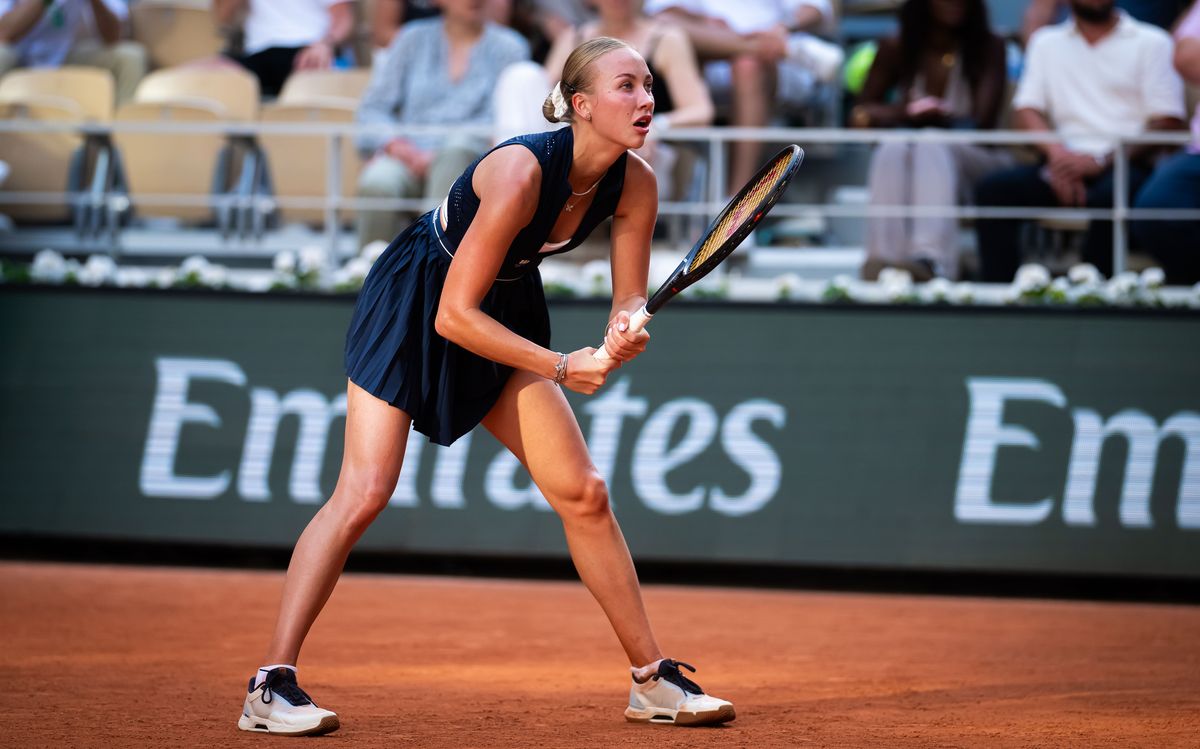
The Full Story
Potapova entered the third-round clash as the underdog against Gauff, the reigning champion and one of the tournament favourites. Many pre-match projections leaned heavily toward Gauff, especially given her strong history on clay and her success at Roland Garros.
Instead, the Russian player produced a composed and aggressive display. She absorbed pressure, attacked key points, and forced Gauff into difficult exchanges. As the match progressed, confidence visibly shifted toward Potapova.

The victory marked one of the biggest wins of Potapova's career and instantly became one of the defining moments of the tournament's first week. Meanwhile, fans inside Roland Garros witnessed another reminder that Grand Slam tennis rarely follows the script.
Elsewhere on day seven, attention also turned to rising French hope Moise Kouame, whose run captured local interest before coming to an end. Together, those storylines helped make the day one of the most talked-about sessions of the event.
Key Figures
Anastasia Potapova — The Russian player who delivered the upset and advanced into the second week of the tournament.
Coco Gauff — The defending French Open champion whose bid for back-to-back titles ended earlier than expected.
Roland Garros — The iconic Paris venue hosting the 2026 French Open.
- Roland Garros
- The official venue and common name for the French Open tennis championship.
- Defending Champion
- The player returning to protect a title won the previous year.
- Grand Slam
- One of tennis's four most prestigious tournaments.
Facts & Figures
- Third Round: The stage where Gauff's title defence ended.
- One Defending Champion: Eliminated before reaching the second week.
- 2026 French Open: Potapova's breakthrough moment on one of tennis's biggest stages.
What This Means
The women's draw suddenly looks far more open. When a defending champion exits early, the balance of the tournament changes immediately. Players who may have expected to face Gauff later now see a different path ahead.
For Canadian tennis fans, the result is another reminder of how unpredictable Grand Slam events can be. If you're following the tournament from home, this upset could have a major impact on potential semifinal and final matchups.
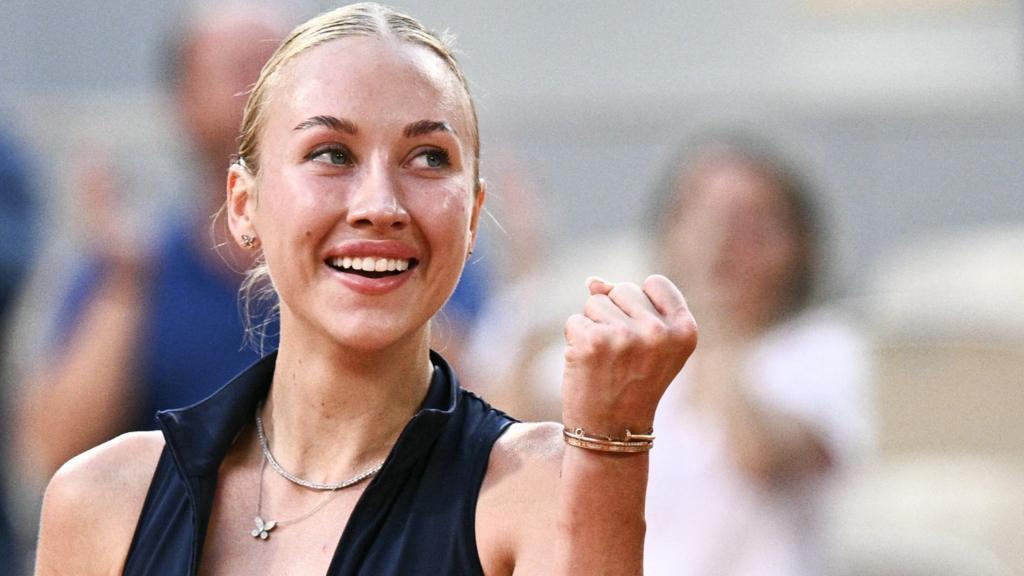
What's interesting is that women's tennis has seen several surprise runs in recent seasons. Potapova now has an opportunity to turn a headline-grabbing victory into a deep Grand Slam campaign.
That's the way the ball bounces. One match can change the entire conversation.
What to Expect
Potapova will move forward with renewed confidence and face increasingly difficult opposition as the tournament progresses. Attention will focus on whether she can maintain the level that removed the defending champion.
The remaining contenders also know the landscape has changed. Every round from this point carries greater significance as the race for the title becomes even more unpredictable.
FAQ
Who defeated Coco Gauff at the 2026 French Open?
Anastasia Potapova eliminated Gauff in the third round.
Where did the match take place?
The match was played at Roland Garros in Paris.
Why is the result significant?
Gauff was the defending champion and one of the tournament favourites.
What does the upset mean for the draw?
It creates a more open path for the remaining contenders.
Has Potapova won a Grand Slam title?
This victory is among the biggest achievements of her career, but the tournament is still ongoing.
Why are fans talking about this match?
Because one of the strongest title contenders exited much earlier than expected.

Resources
Sources and references cited in this article.

