Why is Scott Oake’s Retirement the End of an Era for Canadian Sports?
The familiar hum of a Saturday night in Canada is about to sound a little different. For over four decades, Scott Oake has been the bridge between the high-octane drama on the ice and the millions of fans watching from their living rooms, microphone in hand and a signature wit at the ready. Now, the Winnipeg-based legend has confirmed he will hang up the headset following the 2026 Stanley Cup Playoffs, marking the conclusion of one of the most storied careers in North American broadcasting.

How Events Unfolded
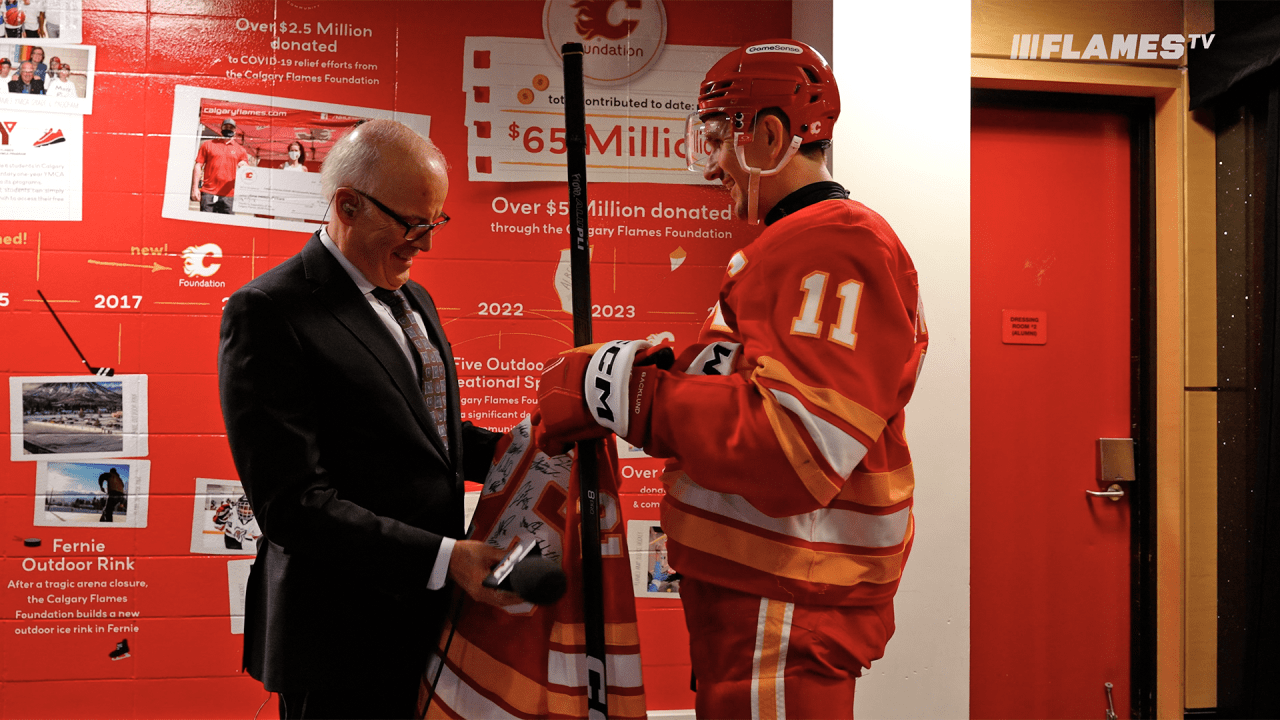
The announcement came as a bittersweet shock to the hockey world this week. Oake, whose career spans more than 40 years, officially shared that the current NHL season will be his last behind the mic. From his early days at CBWT in Winnipeg to becoming a national icon on Hockey Night in Canada, Oake’s journey has been inextricably linked with the evolution of sports media in this country.
His retirement isn't immediate, however. Fans will get one last ride with the veteran broadcaster as he prepares to lead coverage through the upcoming 2026 Stanley Cup Playoffs. It’s a fitting final act for a man who has witnessed—and narrated—some of the most iconic moments in Stanley Cup history. Meanwhile, the outpouring of support from colleagues and athletes alike has been nothing short of the real McCoy.
What’s interesting is how Oake’s influence stretched beyond the rink. While he is synonymous with hockey, his work on the CFL on CBC and his coverage of 12 Olympic Games cemented his status as a versatile heavyweight. He wasn't just a hockey guy; he was Canada’s storyteller for any stage that involved a scoreboard.
Under the Surface
To understand why this retirement hits so hard, you have to look at the man behind the After Hours segment. Oake was never just about the box score. He had a knack for pulling humanity out of professional athletes who are often trained to speak in clichés. He treated every interview like a conversation at a local diner, making players feel comfortable enough to drop their guard.
But there is a deeper, more personal layer to Oake’s legacy. Following the tragic loss of his son Bruce to addiction in 2011, Scott and his wife Anne became tireless advocates for recovery. They founded the Bruce Oake Recovery Centre in Winnipeg, a multi-million dollar facility that provides long-term treatment for those struggling with substance abuse. For many in CA, Oake isn't just a voice on the TV; he’s a symbol of resilience and community service.
- After Hours
- A popular late-night segment on Hockey Night in Canada known for its informal, candid long-form interviews with NHL players and coaches.
- Order of Canada
- One of the country's highest civilian honors, which Oake received for his contributions to broadcasting and philanthropy.
Voices & Opinions
The accolades have been pouring in from every corner of the industry, highlighting a man who stayed grounded despite his massive fame. Colleagues describe him as the ultimate pro who never lost his Winnipeg roots.
Scott is a titan of our industry. His ability to ask the tough questions while maintaining the respect of the players is a tightrope walk he made look easy every single Saturday.
Local fans have also weighed in, noting that Oake always felt like one of us. Whether he was at a Jets game or a community event, he carried the spirit of the Prairies to a national audience.
Putting It in Perspective
So, what does this mean for us? For the average Canadian viewer, it’s the loss of a trusted ritual. Oake’s departure represents a shift in the media landscape toward a new generation of digital-first personalities. Yet, his impact on the community—specifically through his advocacy work—will far outlast his time on screen.
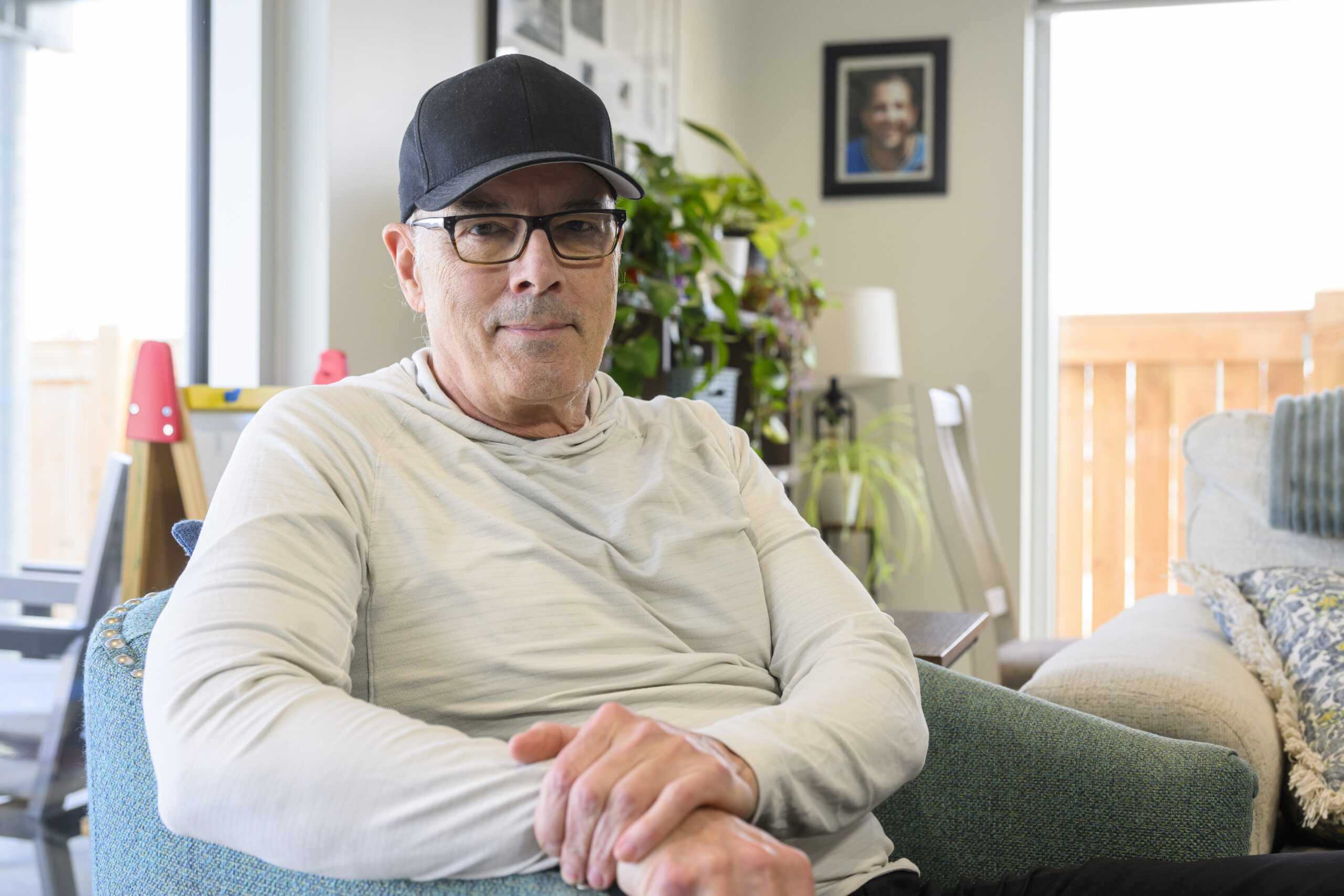
The Bruce Oake Recovery Centre continues to save lives daily, proving that his most important work happened when the cameras were off. In an era where sports can feel increasingly like a cold business, Oake reminded us that there are real people under those helmets.
Looking Ahead
Fans can catch Oake’s final broadcasts during the NHL post-season, which kicks off later this month. While he is stepping away from the Hockey Night in Canada desk, he has confirmed he will remain active with his foundation and various community projects in Winnipeg. You can find more information about his ongoing mission at the official Bruce Oake Foundation page. The final broadcast date is expected to coincide with the Stanley Cup Final in June.
Frequently Asked Questions
- When is Scott Oake retiring? He will officially retire following the conclusion of the 2026 Stanley Cup Playoffs.
- How long was Scott Oake with CBC and Sportsnet? Oake’s broadcasting career spanned over 40 years, including decades with Hockey Night in Canada.
- What is Scott Oake’s connection to Winnipeg? Oake is a long-time Winnipeg resident and started his career at the local CBC station, CBWT.
- What is the Bruce Oake Recovery Centre? It is a non-profit treatment facility in Winnipeg founded by Scott and Anne Oake in memory of their son.
- Will Scott Oake still be involved in hockey? While retiring from full-time broadcasting, he remains a celebrated figure in the hockey community and may appear for special events.

Resources
Sources and references cited in this article.

