

Last updated: March 30, 2026
RTX 6090 Leaks: 32GB VRAM and Double the Ray Tracing Power
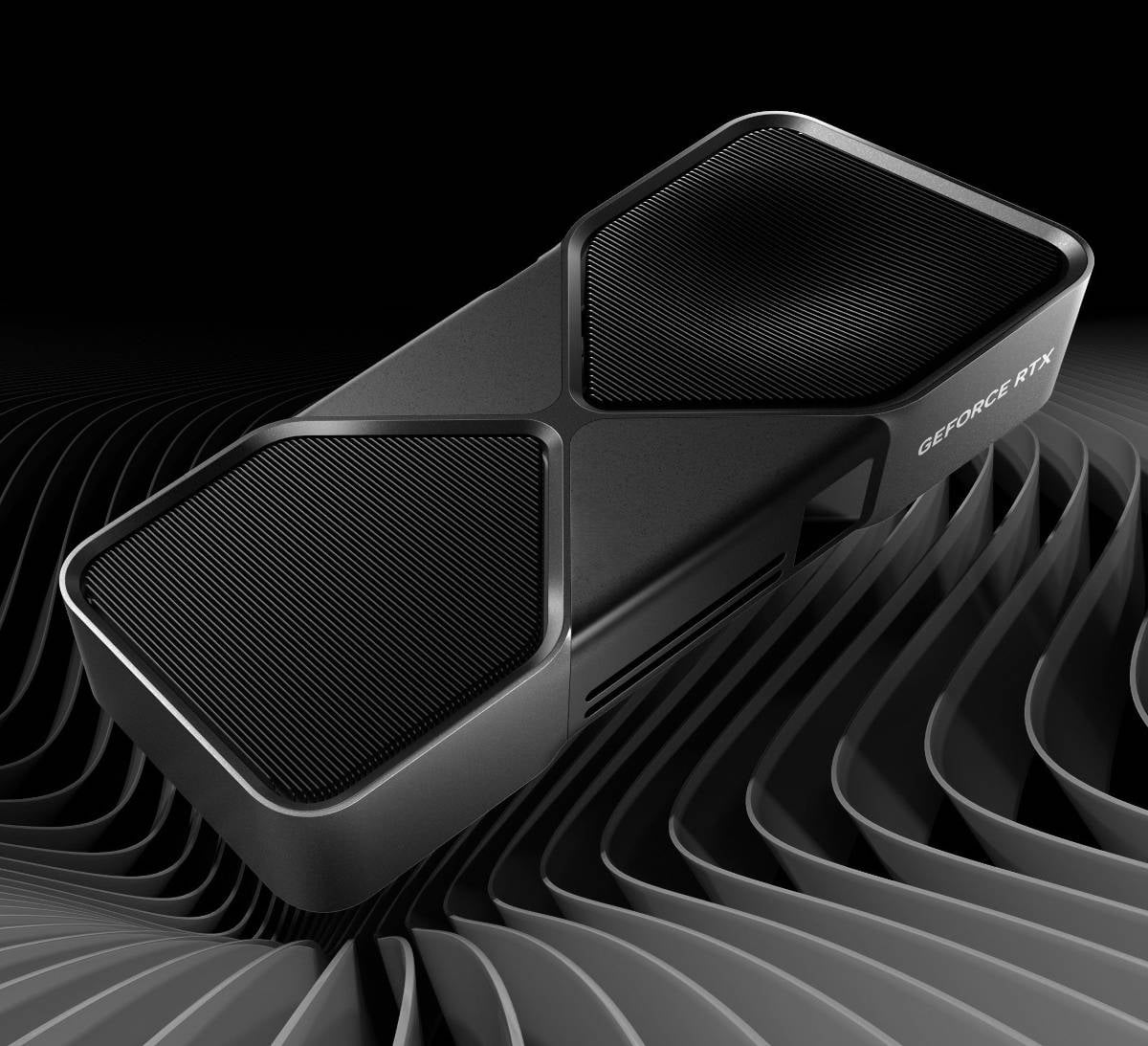
The rumor mill isn't just spinning; it's overclocked. Early leaks regarding NVIDIA’s next-gen 'Rubin' architecture suggest the upcoming RTX 6090 will be a monumental leap rather than a steady climb. If the chatter among hardware enthusiasts holds water, we are looking at a card that effectively renders current benchmarks obsolete before the 50-series even gathers dust.

What We Know So Far
The core of this breakthrough is the transition to the Rubin architecture, which succeeded the Blackwell series. According to internal whispers, the RTX 6090 is expected to feature a staggering 192 Streaming Multiprocessors (SMs). To put that in perspective, that’s a massive jump in raw compute power that aims to deliver up to 2x performance gains over its predecessor in specific workloads.
Memory is the other headline-grabber. Leak reports indicate NVIDIA is prepping a 32GB GDDR7 configuration for the 6090. This isn't just about the capacity; the move to GDDR7 provides significantly higher memory bandwidth, which is essential for the 8K gaming and heavy AI training tasks that these cards are increasingly used for here in CA’s tech hubs.
What’s truly catching the eye of local creative professionals is the rumored DLSS 6 integration. While DLSS 3 introduced frame generation, the sixth iteration is whispered to be a total overhaul that could launch alongside the 60-series. This tech, combined with a projected doubling of Ray Tracing performance, suggests that 'path tracing'—the holy grail of realistic lighting—might finally become the standard rather than a performance-killing luxury.
Voices & Opinions
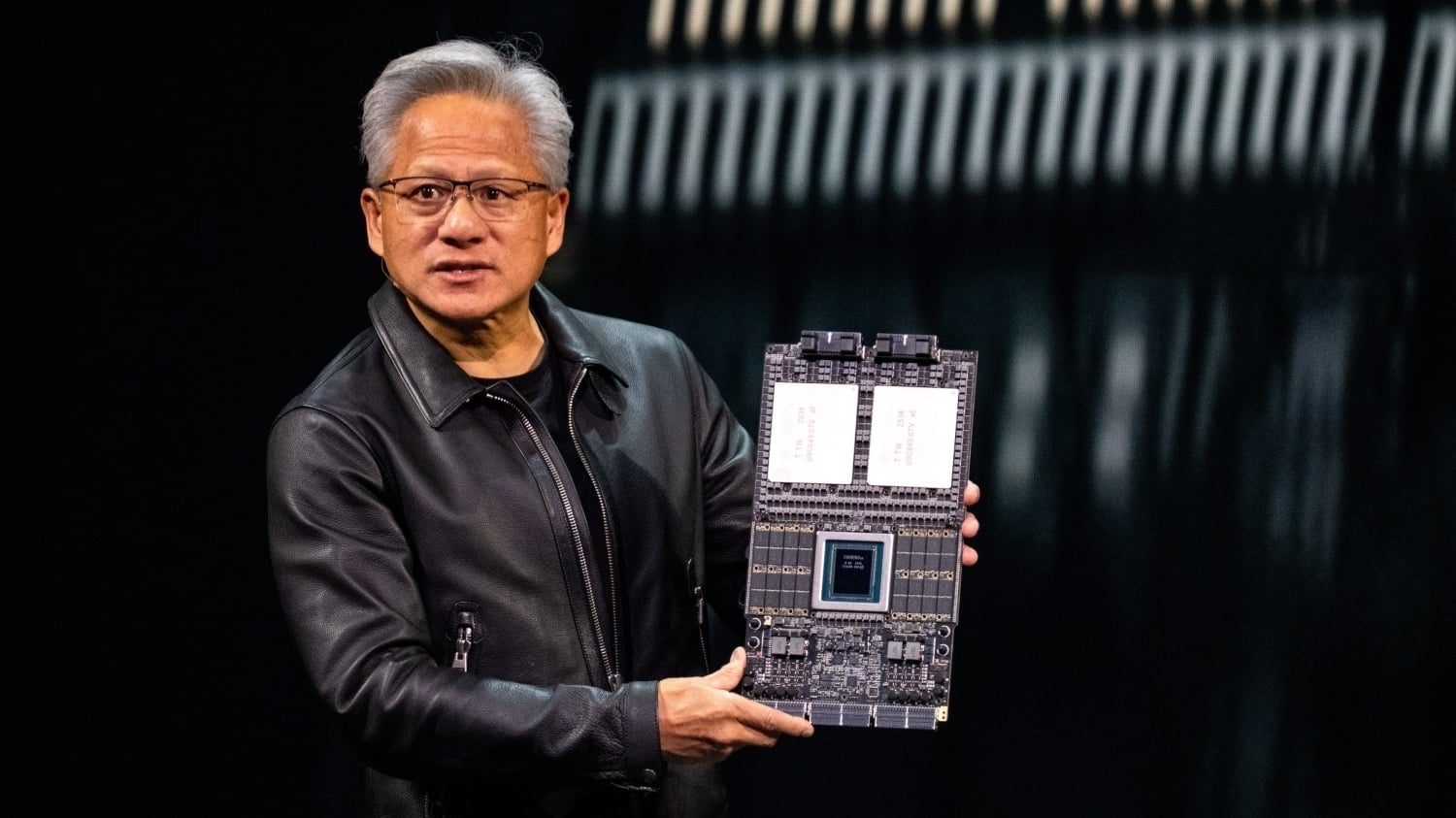
The industry is currently divided between awe and skepticism regarding these astronomical numbers. Many wonder if the power grid can even handle the TDP (Thermal Design Power) required to push these specs.
The jump to 32GB of VRAM isn't just a spec bump; it's a fundamental shift in how we approach 8K texture streaming and local LLM execution.
Local Impact
For the average gamer in CA, the RTX 6090 might feel like overkill, but the trickle-down effect is real. When the flagship moves the goalposts this far, the mid-range cards—the ones most of us actually buy—tend to see significant boosts as well. However, there's a catch: high-end specs usually come with high-end price tags. With energy costs and inflation being what they are, the real question is whether the $2,000+ price point rumored for these cards will fly with local consumers. If you're planning a build, you might want to hold off on that 50-series upgrade if these Rubin stats prove true.
Coming Up
While the specs look incredible on paper, we are still waiting for official confirmation from Team Green. We expect more concrete details to surface during the next major tech keynote, potentially late 2026 or early 2027. Production timelines for Rubin-based GeForce cards are currently being finalized at the foundry level.
At a Glance
- Architecture: Transition to the next-gen Rubin platform.
- Memory: Massive 32GB GDDR7 VRAM for the 90-class card.
- Performance: Up to 2x increase in ray tracing and path tracing efficiency.
- AI Tech: Potential debut of DLSS 6 alongside the hardware launch.
- Core Count: Leaks point to 192 SMs for unprecedented parallel processing.
Frequently Asked Questions
When will the RTX 6090 be released?
Official dates aren't set, but rumors point to a late 2026 or early 2027 window following the Blackwell lifecycle.
Will I need a new power supply for the RTX 6090?
Likely yes. With 192 SMs and 32GB of VRAM, power consumption is expected to stay high, potentially requiring a 1000W+ PSU.
What is DLSS 6?
It is the rumored next generation of NVIDIA's Deep Learning Super Sampling, expected to further enhance frame rates and image quality using AI.
Is the RTX 6090 overkill for 4K gaming?
For standard 4K, yes; however, for path-traced titles and 8K resolution, this card is being designed as the new baseline.
How much will the RTX 6090 cost?
While pricing isn't confirmed, historical trends for flagship 90-series cards suggest a starting MSRP well above $1,599.